
Bagasse Pellet Machine

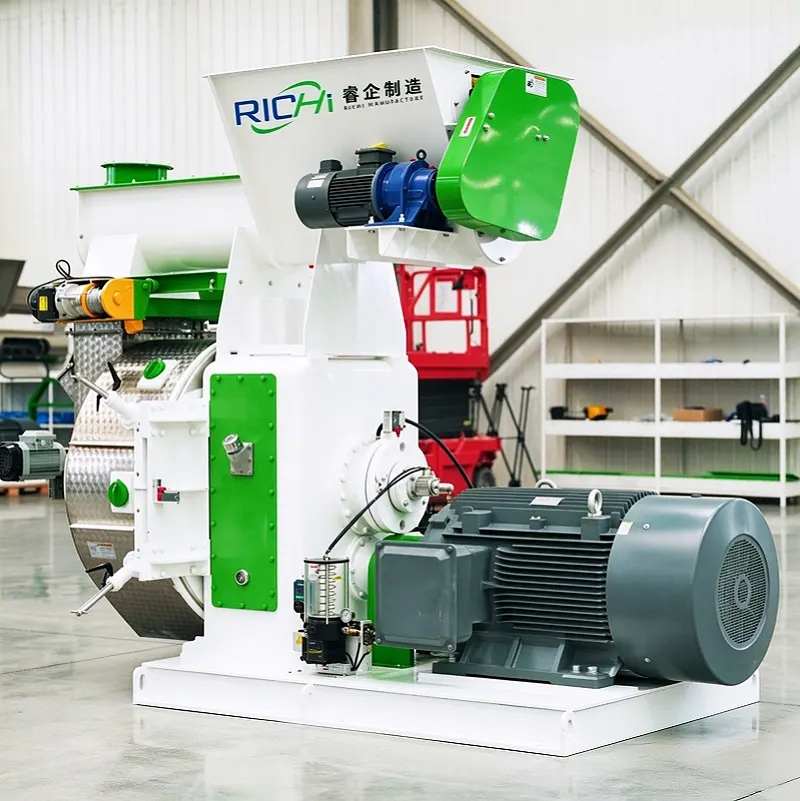
Bagasse Pellet Machine Overview
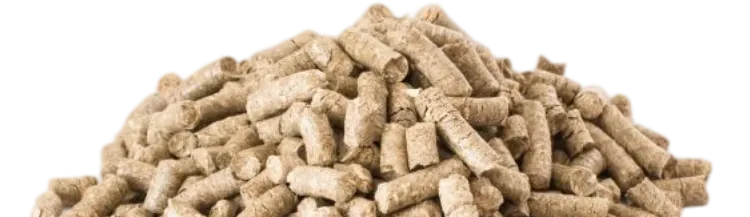
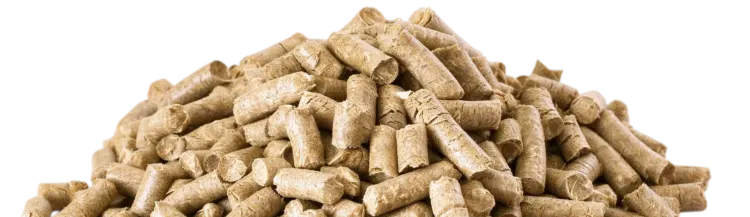
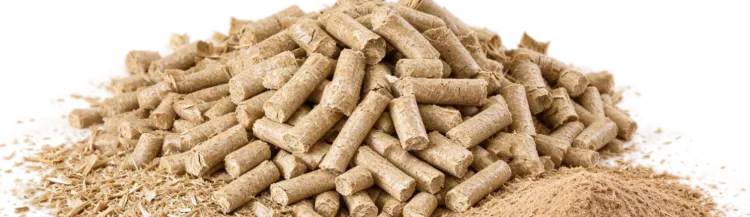
Put bagasse, a by-product of sugar production, into the pellet machine, and it becomes a biomass resource with usable value. Through the machine’s extrusion and forming, the originally loose, fibrous bagasse is processed into dense pellets of uniform shape and size. These pellets have a wide range of uses: they can serve as biomass fuel, animal feed, or field fertilizer.
For companies that want to improve bagasse utilization and carry out biomass fuel production, investing in a bagasse pellet machine is a highly cost-effective business solution. You are welcome to contact us for support.
Capacity: 0.2-4 T/H
Pellet Size: 4-12 mm
Exploring the Structure of Bagasse Pellet Machine
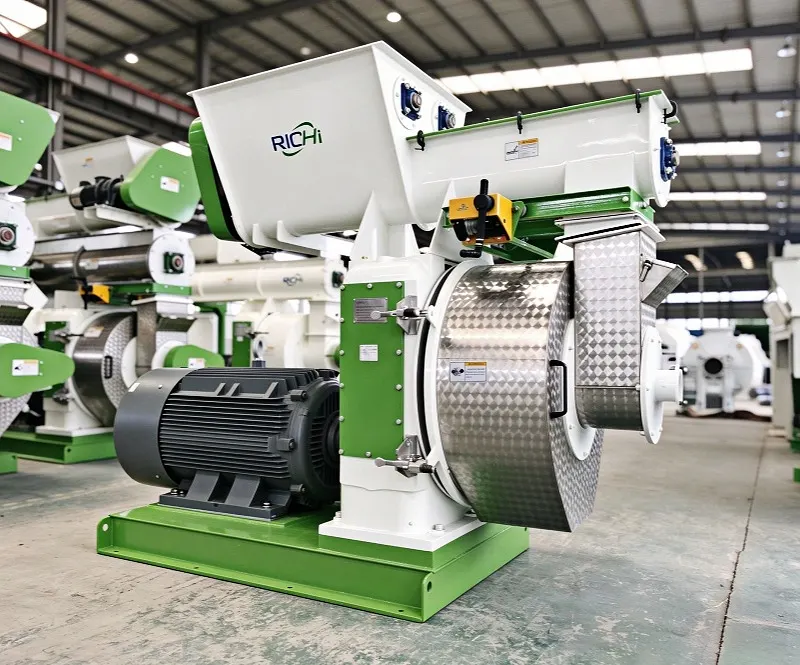
Bagasse is loose in texture and high in fiber. If it enters the pellet machine directly, it is prone to clogging and cannot be pressed firmly. Therefore, the machine is structurally adapted to the characteristics of bagasse in each link: feeding, pelletizing, cutting, transmission, lubrication, and safety.
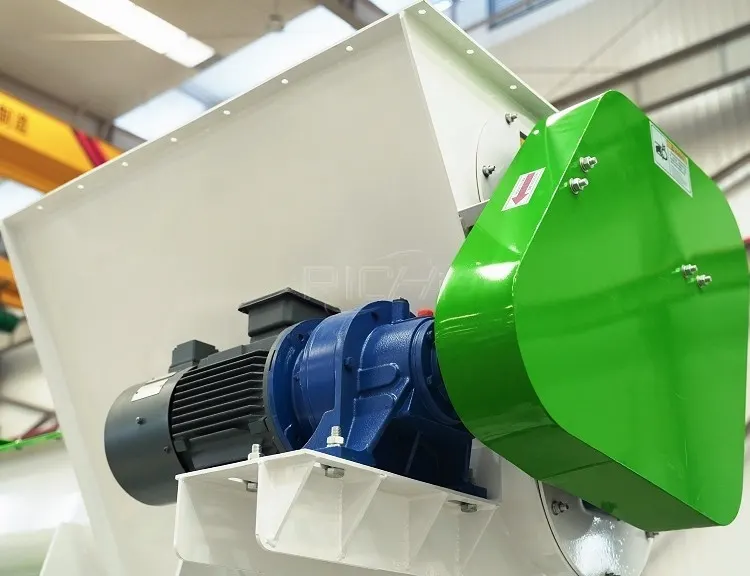
Feeding System
Inside the wide feed inlet, an anti-blocking device is designed to ensure smooth material flow. The variable-frequency feed motor adjusts the feeding speed and feeding amount in real time according to the feeding situation. At the same time, it works with the forced feeder to send bagasse stably into the pelletizing chamber.
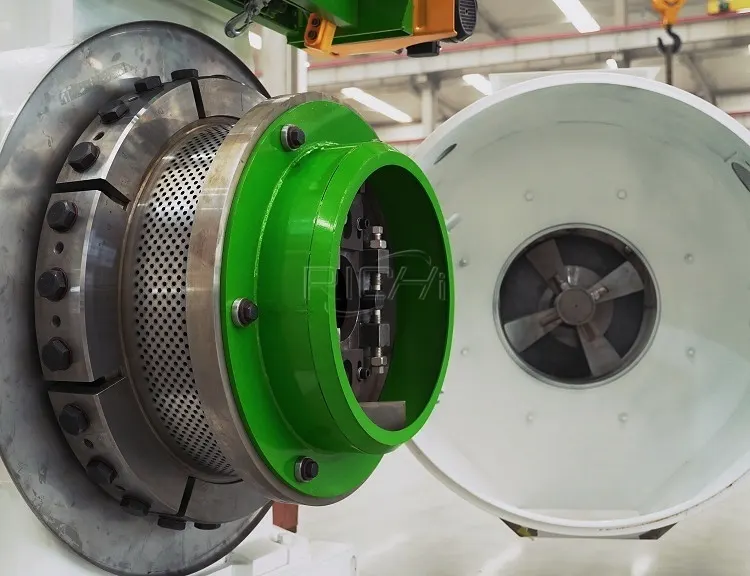
Pelletizing System
The ring die uses a high-wear-resistant alloy material. It has undergone vacuum heat treatment and CNC drilling to ensure the machining accuracy of the die holes. The pressure roller with an eccentric shaft structure makes it convenient to adjust the gap at any time according to the bagasse raw material.
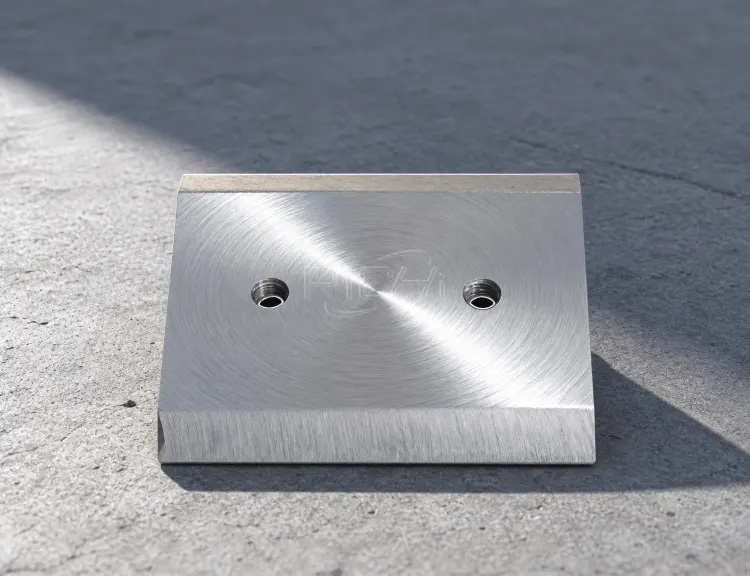
Cutting Device
The cutter cuts the extruded long strip material into uniform pellets. It can easily cut high-fiber bagasse material, and the pellet cut surface is smooth without burrs. In addition, you can adjust the distance between the cutter and the ring die to control the length of the finished pellets.
Drive System
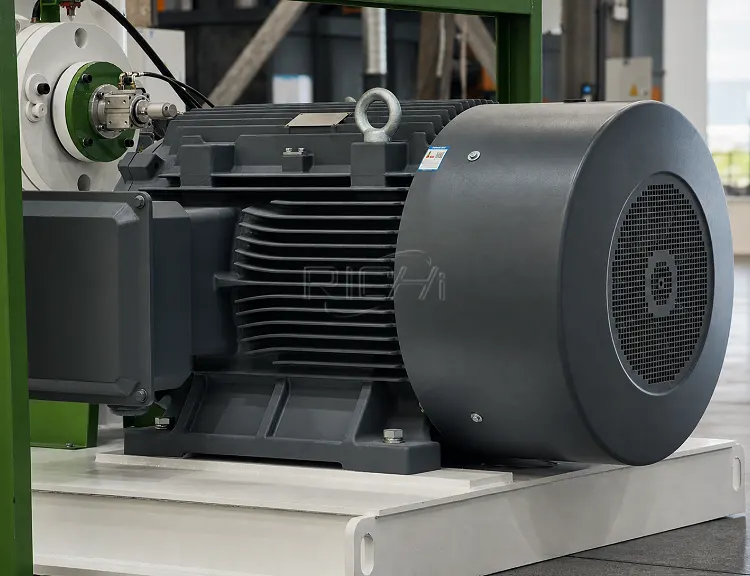
The main transmission of the bagasse pellet machine adopts gear transmission. The main motor uses a Siemens industrial-grade motor, and the bearings use the imported SKF brand. These configurations give the machine efficient, energy-saving, and stable production characteristics.
Lubrication System
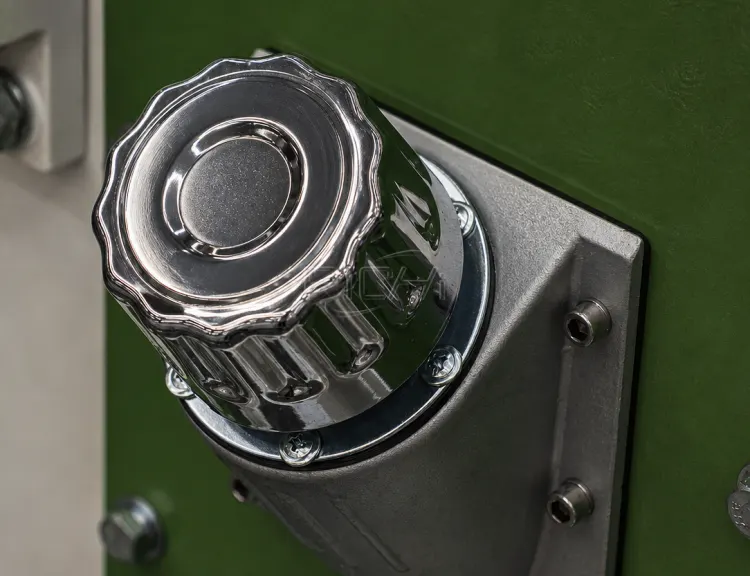
You can add grease manually, or choose an optional automatic lubrication system. Below the oil filling hole, there is an observation hole for timely checking of the oil circuit status. Key parts use imported oil seals to prevent dust from intruding and contaminating the lubricating oil.
Safety System
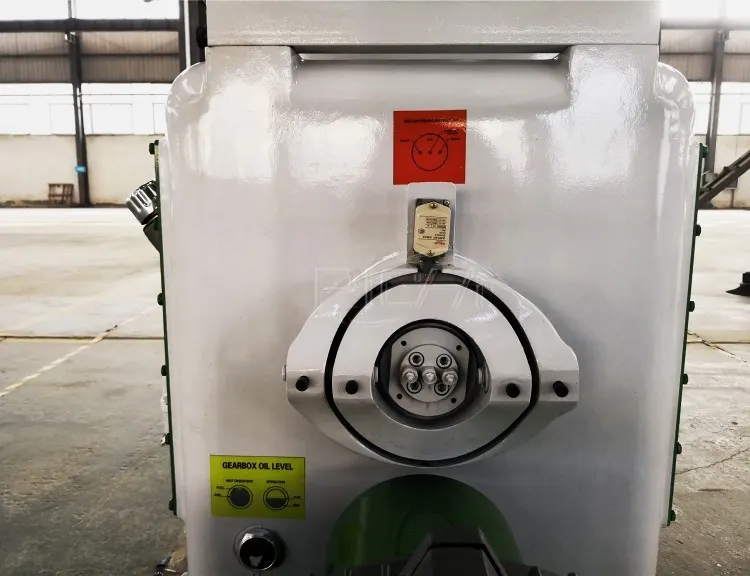
The safety protection device is located on the side of the transmission box. When the bagasse pellet machine is abnormal, the safety pin automatically breaks and drives the travel switch to automatically shut down. This protects personnel safety and also protects core components.
See How a Bagasse Pellet Machine Works
Agricultural waste such as bagasse, sugarcane leaves, and sugarcane straw can all be turned into pellets through the bagasse pellet machine. Below, we take making biomass fuel pellets from bagasse as an example to look at the specific processing process. If you want to make feed pellets, the process flow will be different, you are welcome to consult us at any time.

01
Bagasse Enters The Machine
Pre-treated bagasse is evenly and stably sent into the pelletizing chamber through the arch-breaking device, variable-frequency feed motor, and forced feeder.
02
Bagasse Begins to Bond
The ring die and pressure roller press against each other. Together with the friction and temperature rise of the bagasse on the inner wall of the die holes, the lignin in the raw material is softened. This allows the material to bond together.
03
Bagasse Is Extruded and Formed
The bonded bagasse is firmly pressed by the pressure roller into the ring die holes, forming cylindrical long strip material.
04
Bagasse Is Cut and Formed
At this time, the cutters on both sides of the ring die cut the long strip material into pellets of uniform size. The machine then discharges the pellets through the outlet.

Machine Models and Parameters
RICHI MZLH series bagasse pellet machines cover a capacity of 0.2-4 t/h. Whether for fuel used by small and medium sugar mills themselves or for large-scale production lines, you can find a matching model. When selecting a model, you only need to focus on the three core parameters: capacity, ring die size, and main motor power.
| Model | Production Output (t/h) | Main Motor Power (kW) | Arch-Breaking Feeder Power (kW) | Forced Feeder Power (kW) | Ring Die Diameter (mm) | Finished Pellets Diameter (mm) |
|---|---|---|---|---|---|---|
| MZLH320 | 0.2-0.3 | 22 | 2.2 | 0.75 | 320 | 4-12 |
| MZLH350 | 0.3-0.5 | 37 | 2.2 | 0.75 | 350 | 4-12 |
| MZLH420 | 1.0-1.2 | 90 | 3 | 1.5 | 420 | 4-12 |
| MZLH520 | 1.5-2.0 | 132 | 3 | 1.5 | 520 | 4-12 |
| MZLH678 | 2.5-3.0 | 200 | 3 | 1.5 | 673 | 4-12 |
| MZLH768 | 3.0-4.0 | 250 | 4 | 1.5 | 762 | 4-12 |
Note: The parameter table is based on RICHI official data. Actual capacity will fluctuate with bagasse moisture content, crushing particle size, and operating level.
Flexible and Usable Bagasse Pellet Machine
Mixed pelletizing is a very common method in actual production — bagasse + molasses + urea (cattle feed), wood chips + straw (fuel), bagasse + filter mud (organic fertilizer base material). What is your formula, and what pellets do you plan to make from bagasse?

You Can Flexibly Adjust the Formula
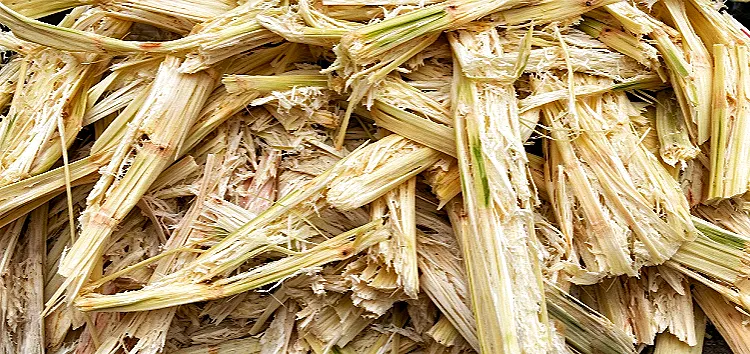
Sugarcane Bagasse
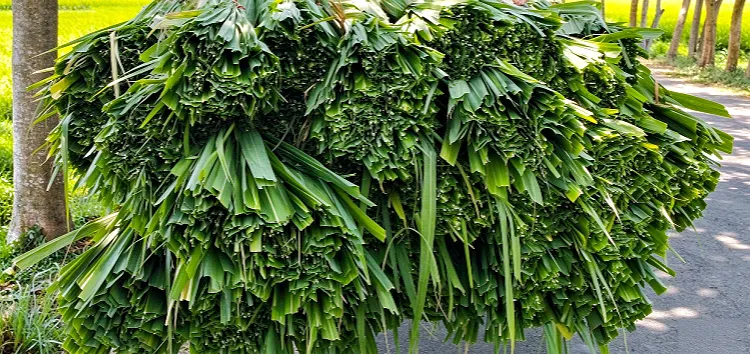
Sugarcane Leaves
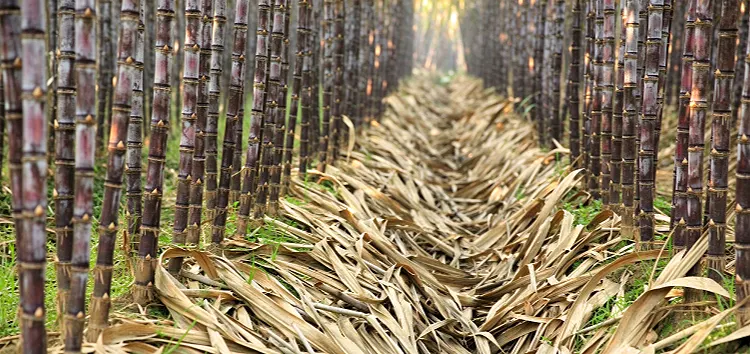
Sugarcane Straw
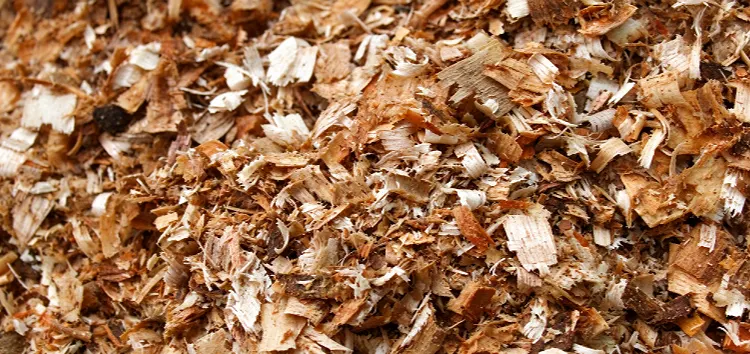
Sawdust
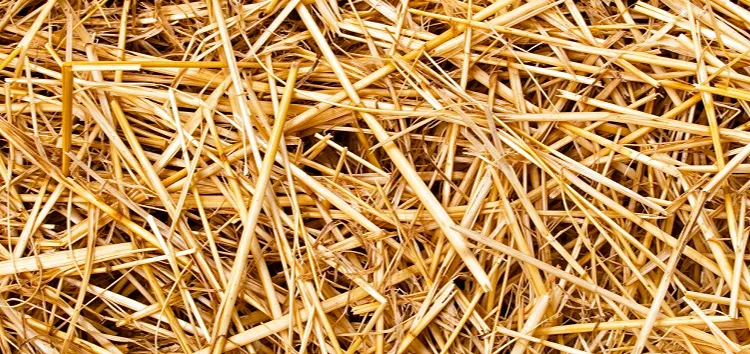
Straw
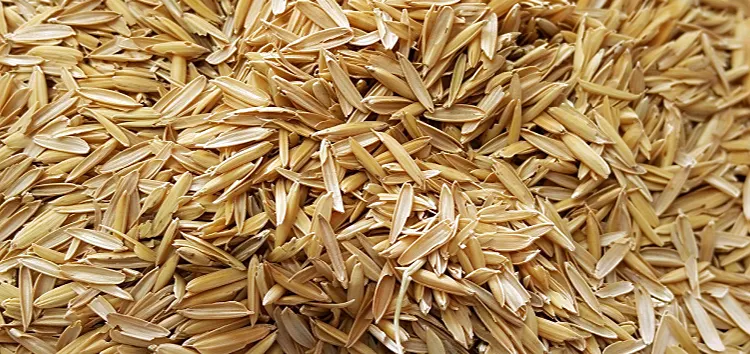
Rice Husk
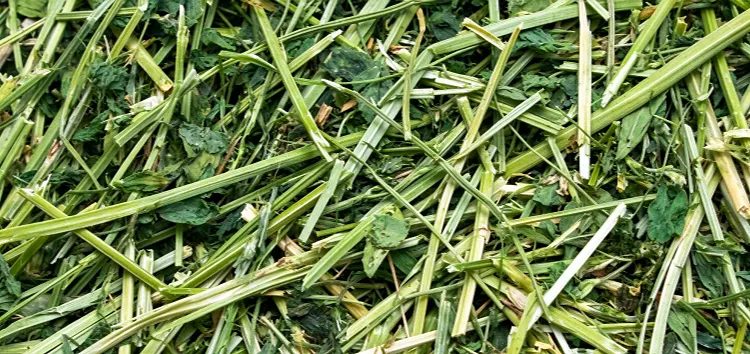
Alfalfa
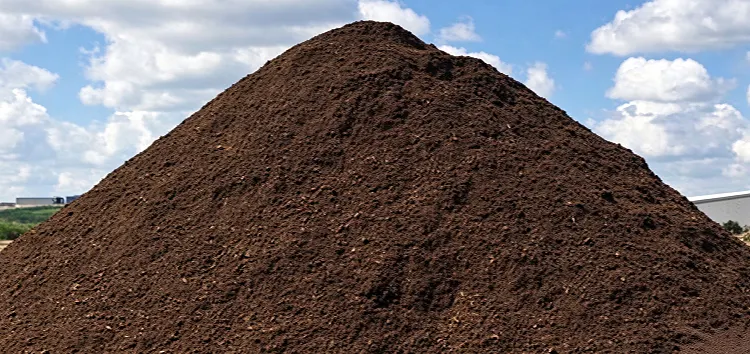
Animal Manure
Biomass Fuel Pellet
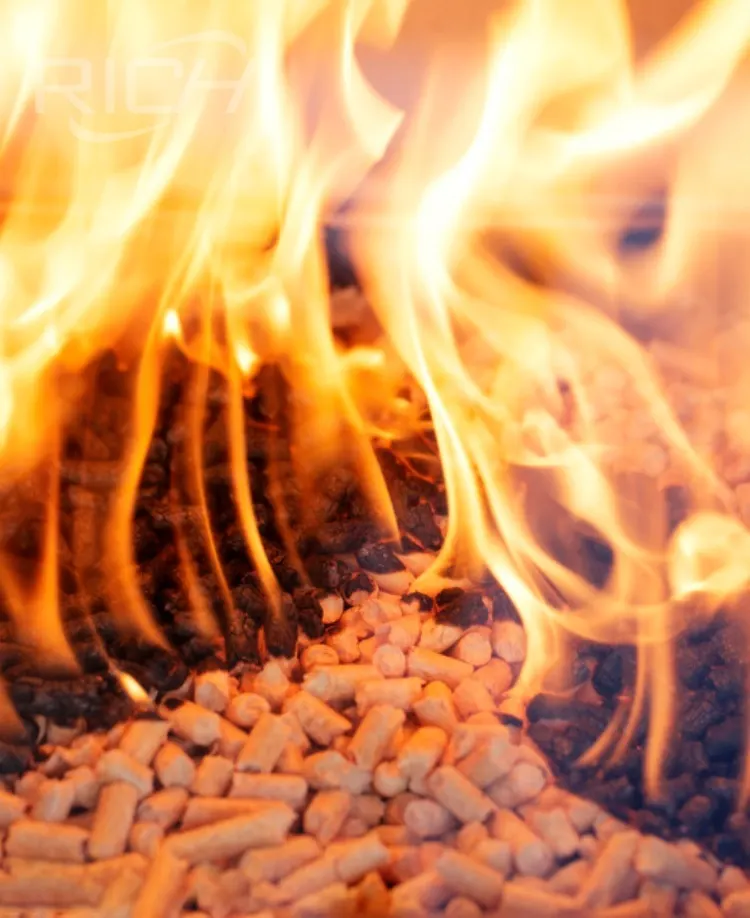
Bagasse pellet machine can turn sugarcane bagasse into biomass fuel. The pellets have low sulfur content and moderate ash content, making them a relatively high-quality clean fuel. You can sell the fuel to power plants, or use it in your own boiler to replace coal, or use it for urban central heating.
Applications: sugar mill captive boiler, district heating station, biomass power plant co-firing, tea processing plant drying
Animal Feed Pellet
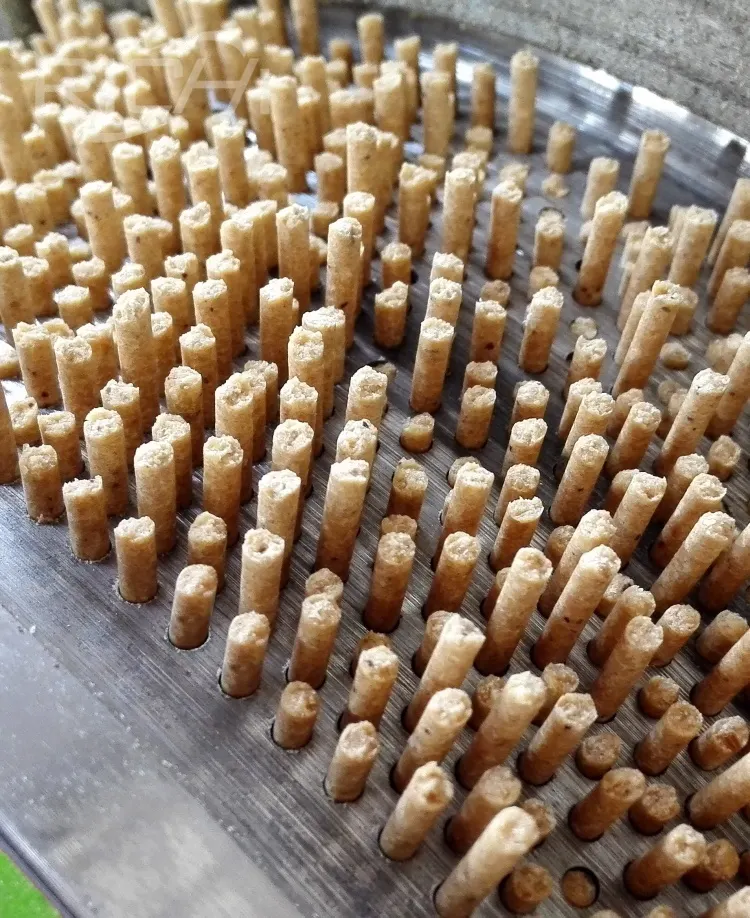
By making roughage from sugarcane bagasse and then mixing it with molasses, urea, and minerals, you obtain finished pellets that are not only palatable and readily consumed by ruminants such as cattle and sheep, but also solve the problem of nutrient stratification, resulting in higher meat and milk production.
Applications: own pasture, cattle and sheep farm, animal feed plant
Organic Fertilizer Pellet
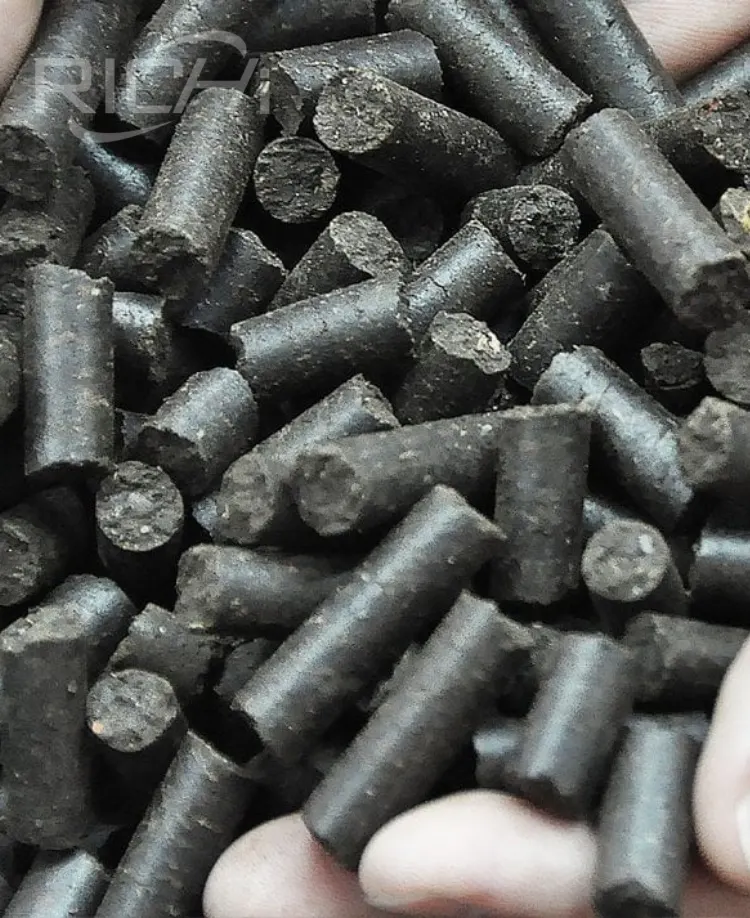
Bagasse itself is not sticky enough, but it can serve as fiber filler and a carbon source. It can be mixed with livestock and poultry manure, sludge, etc., fermented, and then pelletized. We have such a project in Thailand, where the customer uses bagasse from nearby sugar mills locally to produce organic fertilizer at very low cost.
Applications: organic fertilizer plant, compound fertilizer plant
Bagasse Cat Litter
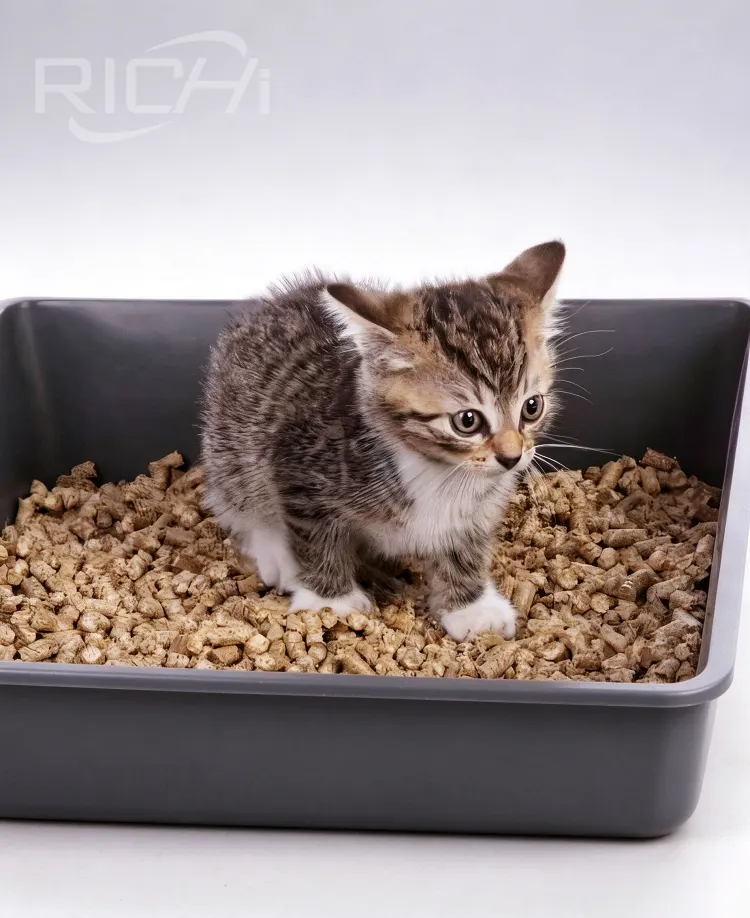
Dried bagasse can also be made into cat litter. A customer in Indonesia did exactly this last year. At present, demand for plant-based cat litter in the pet market is growing. Bagasse cat litter has good water absorption and is degradable, and its market potential is good.
Applications: sugar plant (seeking high-value-added outlets), cat litter pelletizing plant, pet product brand
Special Application
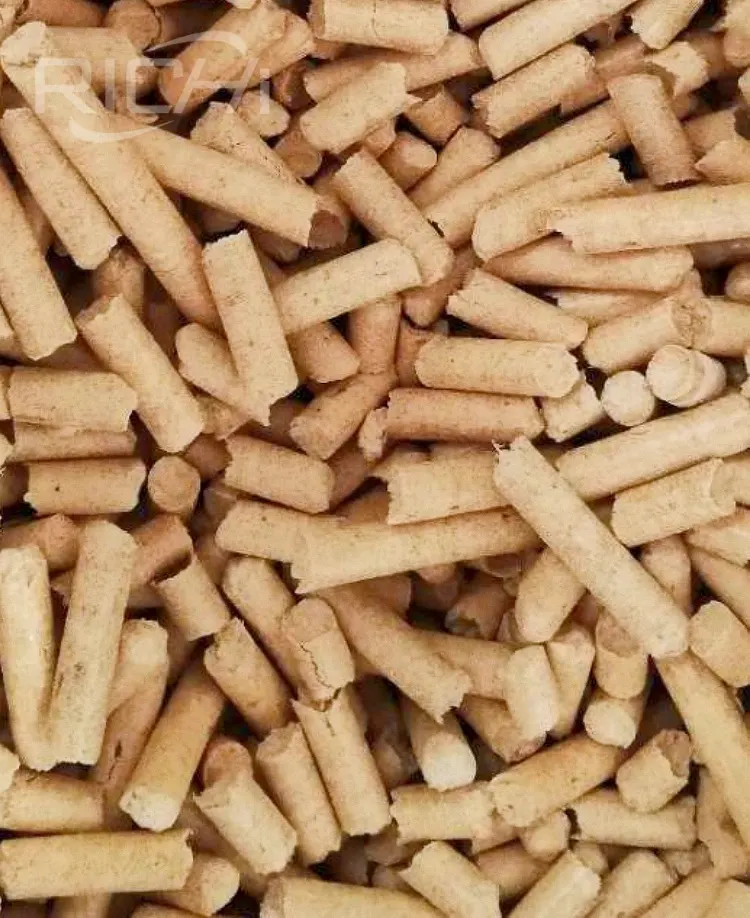
Using biomass pellets for gasification to produce green methanol is another high-threshold but high-return outlet for bagasse pellets. As long as the front-end drying and pelletizing treatment are done properly, you can obtain bagasse pellets with high strength, uniform particle size, high forming rate, and low impurities. This lets you smoothly enter this emerging track.
Applications: energy and chemical company, green methanol project owner
Real Projects of Bagasse Pellet Machine
Each customer’s raw materials and finished product destinations are different, so we do not take a “one-size-fits-all” approach. Instead, we tailor solutions for each customer around the characteristics of bagasse.
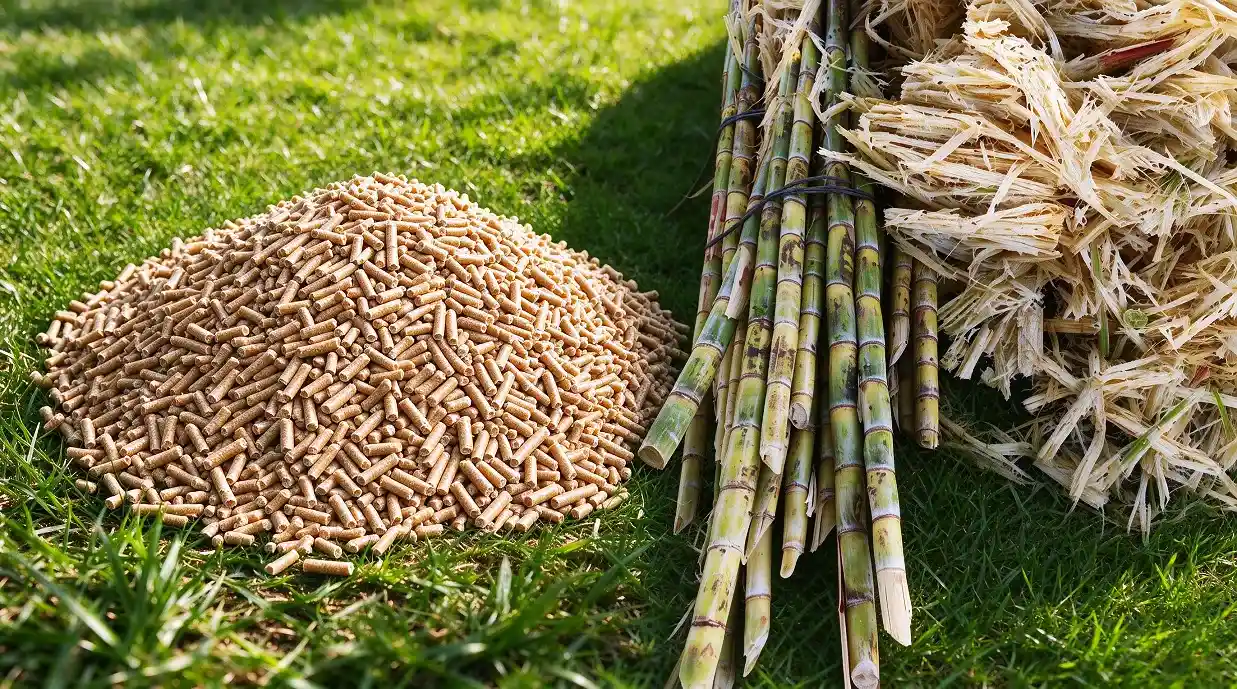
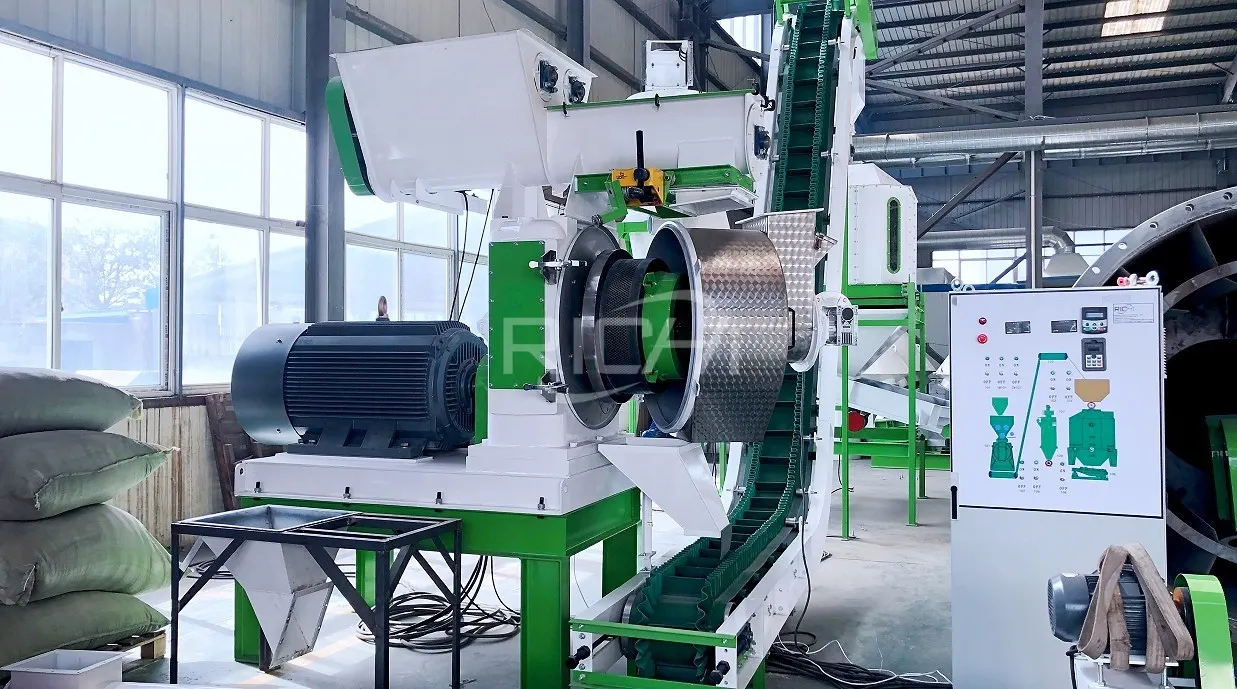
Bagasse Fuel Pellet Machine Project in Thailand
Raw Materials :
bagasse, wood chips
Solution :
The MZLH420 bagasse pellet machine was equipped with a 90 kW Siemens main motor, a heavy-duty forced feeder, and a wear-resistant ring die. The local climate is hot and humid, and pellets do not easily set after coming out. So a counterflow cooler was added to let the pellets cool quickly and gain hardness, so they do not break easily.
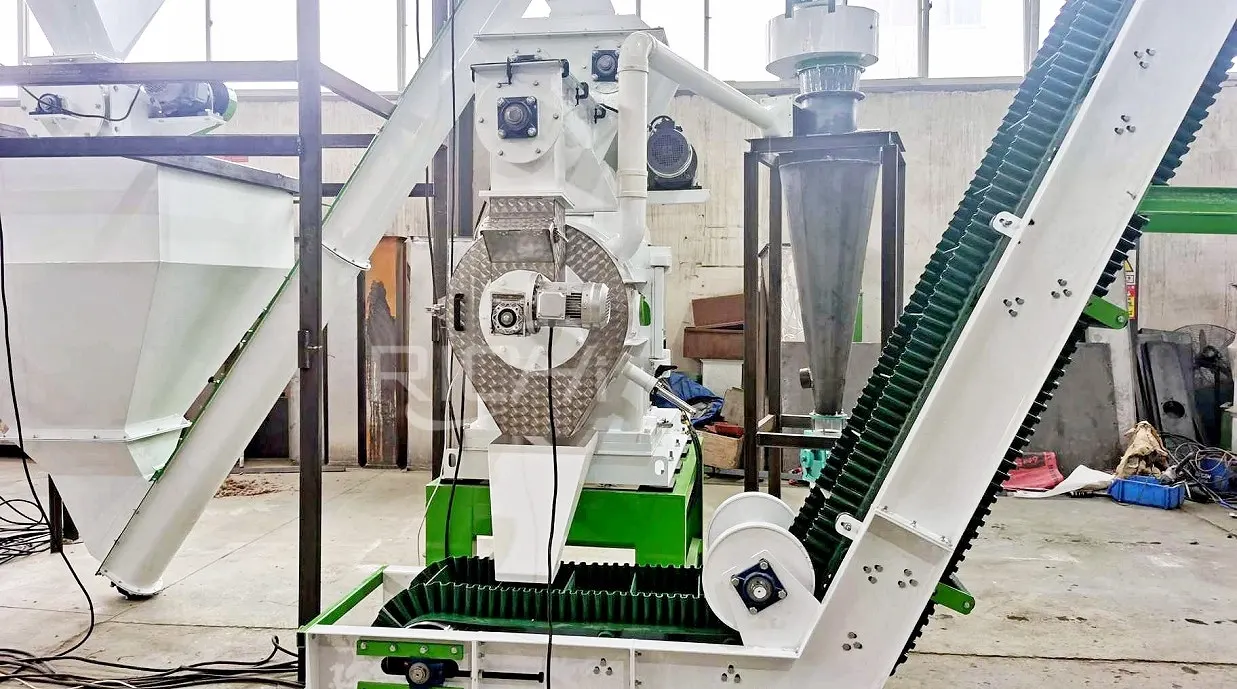
Bagasse Cat Litter Pellet Machine Project in Indonesia
Raw Materials :
bagasse (100%), moisture content 10–12% after drying
Solution :
The customer makes plant-based cat litter, with a finished pellet size of 5 mm, requiring low dust and fast water absorption. We equipped the MZLH350 bagasse pellet machine, but there was a detail. Local bagasse fiber is on the short side and tends to slip and idle in the feeding section. So we adjusted the pitch of the feed screw to prevent this.
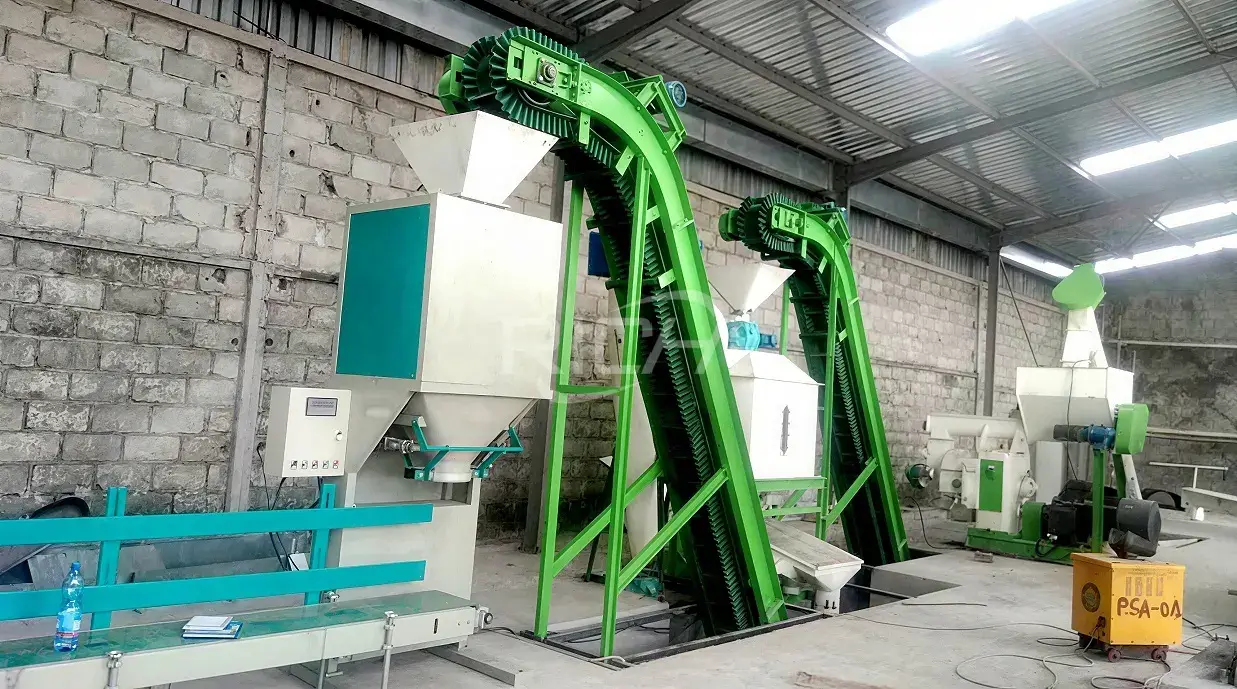
Bagasse Coarse Feed Pellet Machine Project in Philippines
Raw Materials :
bagasse 60–65%, molasses 15–20%, urea 1–2%, the rest minerals and fillers
Solution :
The customer was making feed for the first time and wanted to produce 8/10/12 mm coarse dairy cattle feed. We followed through the whole process from model selection and feed formula to installation and commissioning. We also configured a mixer according to his raw material composition, to ensure the raw materials are fully and evenly mixed and pellet quality is stable.
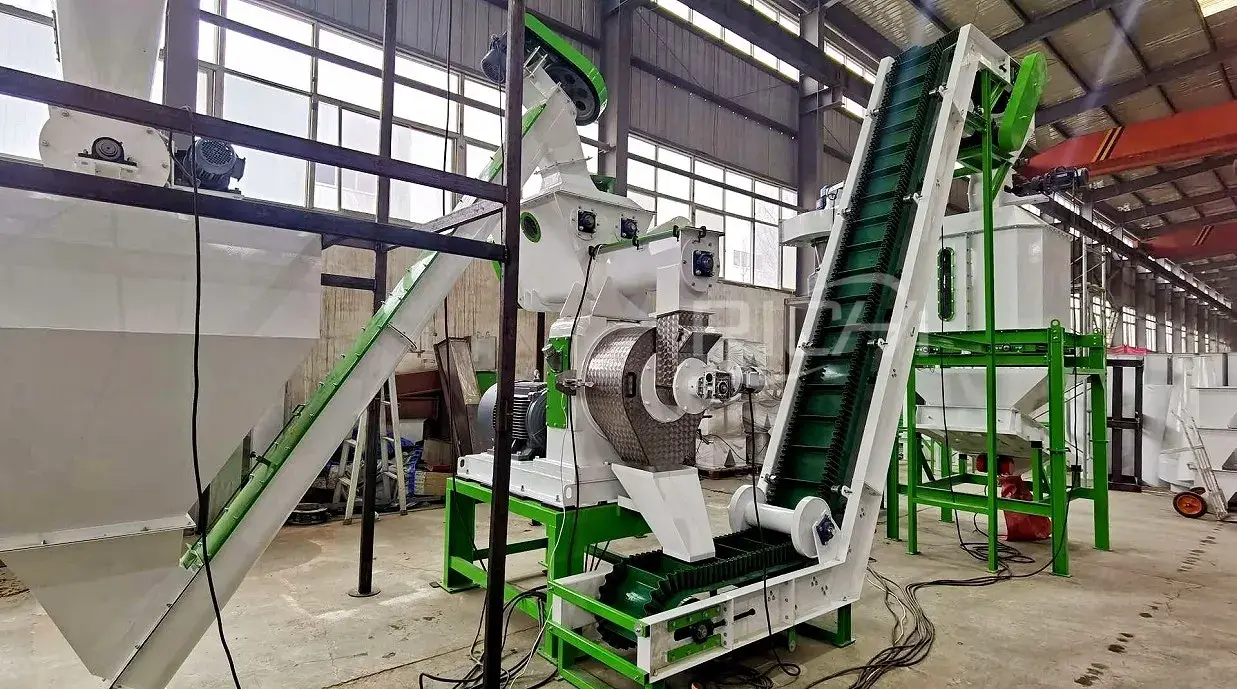
Bagasse Organic Fertilizer Pelletizing Project in Colombia
Raw Materials :
50% bagasse + 30% cow manure + 15% chicken manure + 5% molasses
Solution :
The customer is a small organic fertilizer plant. Their original small granulator required frequent maintenance, so after comparison they chose RICHI equipment. Now they mix bagasse and manure together to make 7 mm organic fertilizer pellets and sell them to surrounding sugarcane farms and vegetable plantations, and sales are steady.
How to Design a Bagasse Pellet Production Line
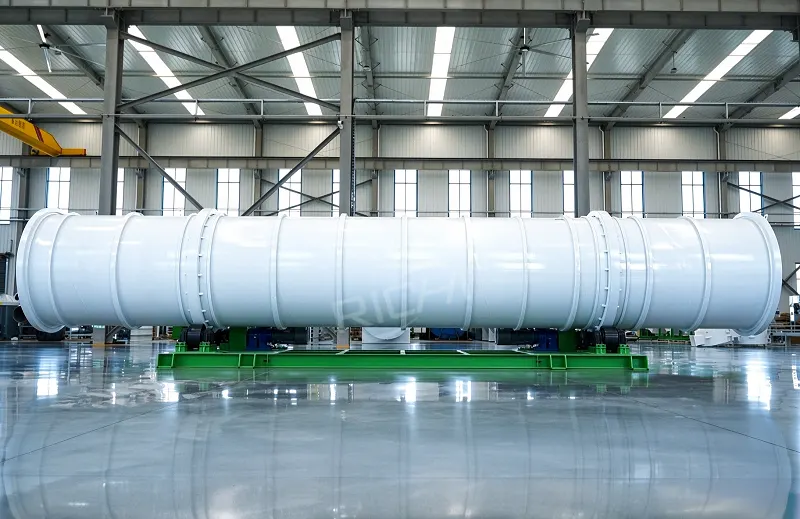
Drying
Equipment: Drum Dryer
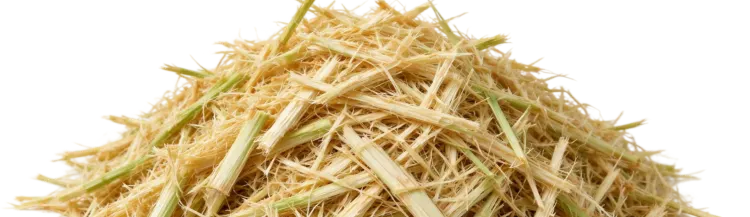
When bagasse comes out of the sugar mill, its moisture content is generally 45–50%. At this moisture it simply cannot be formed in the pellet machine. So drying comes first, and before pelletizing the moisture must drop below 20%. In actual production, most lines control it at 12–18%. That range is more reliable, and pellet forming looks better too.
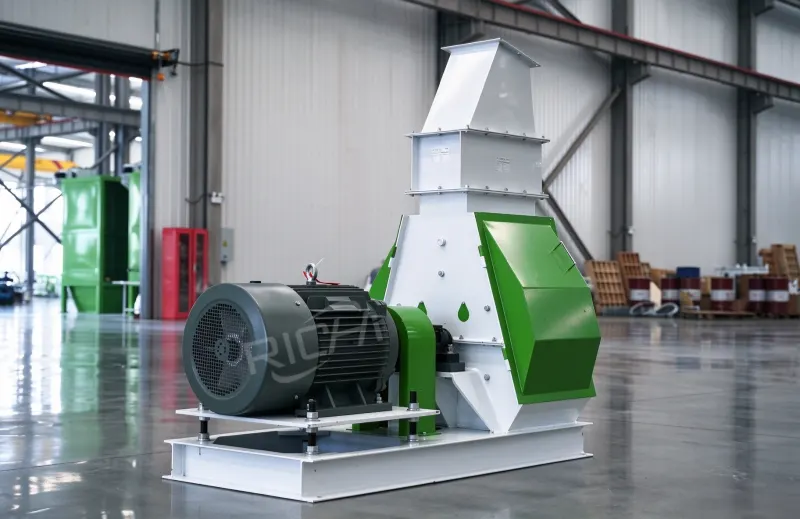
Crushing
Equipment: Hammer Mill
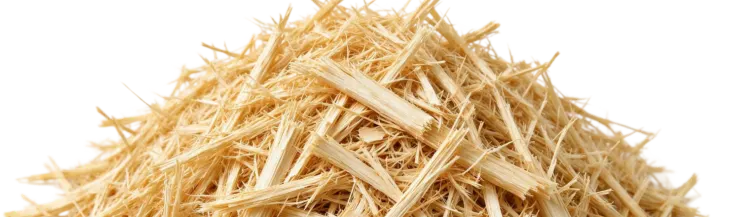
After drying, bagasse lumps are still fairly large. They must be crushed to 3–5 mm before entering the pellet machine. Too coarse, and the feeder cannot grip the material. Too fine is not good either. The fiber skeleton breaks down, and pellet density ends up lower instead of higher.
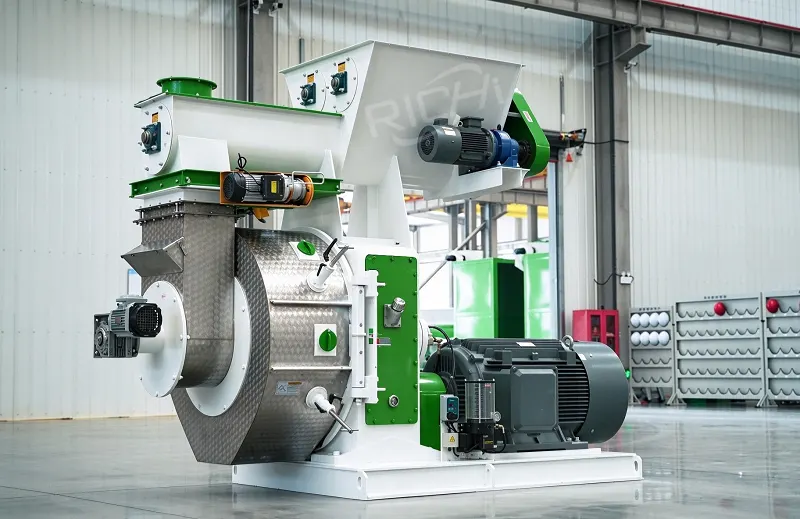
Pelletizing
Equipment: Bagasse Pellet Machine
Crushed bagasse enters the pellet machine and is pressed into uniform, dense pellets. One thing we have learned from experience: many customers choose several small machines in parallel rather than one large machine. The crushing season at a sugar mill runs 24 hours without stopping. If one machine needs maintenance, the others keep pelletizing. The whole line does not go down.
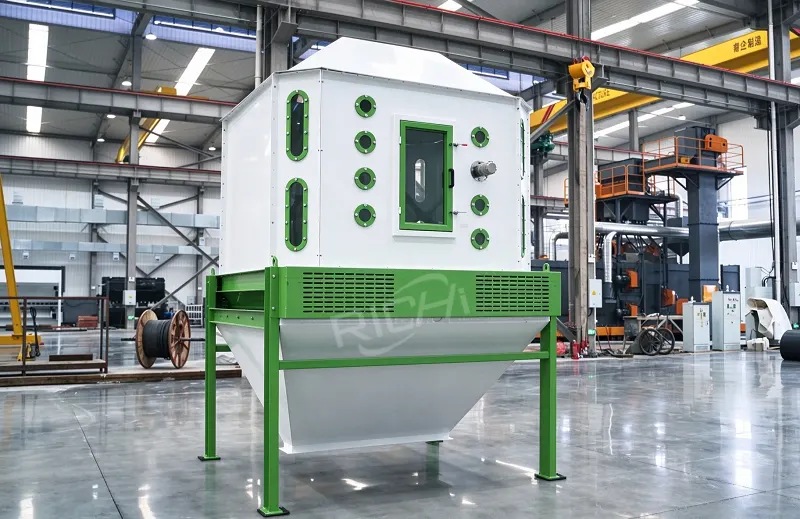
Cooling
Equipment: Counterflow Cooler
Pellets coming out of the pellet machine are hot and soft. Pack them directly, and they cake and deform easily. The cooler brings the temperature down fast and carries away excess moisture. It also lets the lignin on the pellet surface re-harden. After that, the pellets resist deformation and moisture better.
Screening
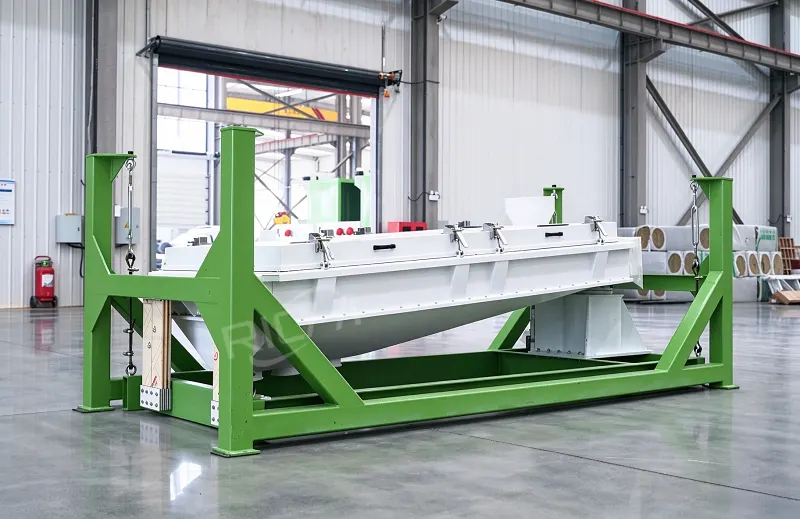
Equipment: Rotary Grading Screen
The grading screen removes oversized pellets, undersized pellets, and powder. Oversized and undersized material goes back to the line for re-crushing and re-pelletizing. Qualified pellets move on to packaging. Put plainly, screening is the quality control step. Skip it, and the appearance and market reputation of the whole batch suffer.
Packaging
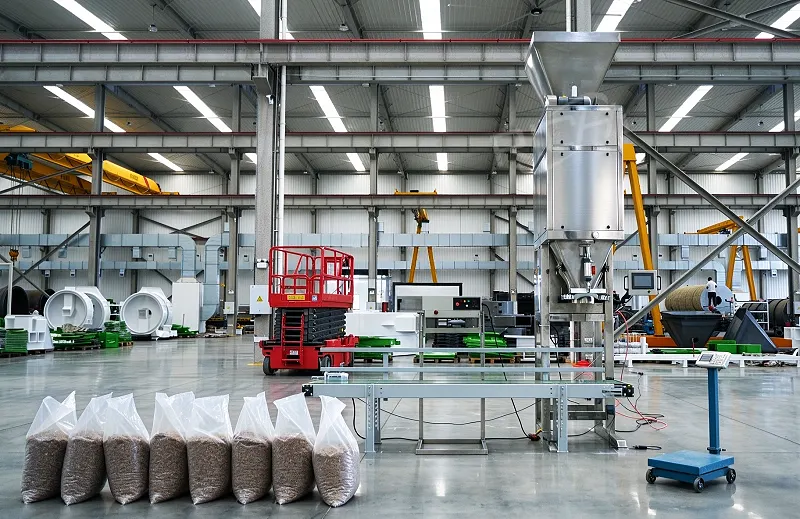
Equipment: Automatic Packaging Machine
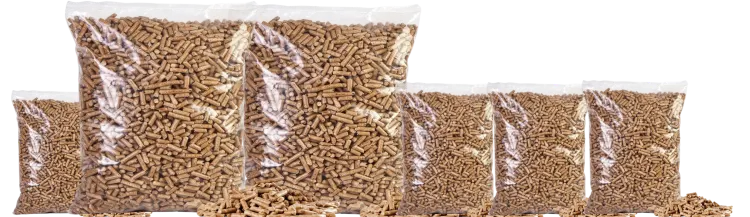
We offer 10–50 kg packaging specifications. Sealing options include heat sealing, thread sewing, and mixed sealing. Which one you pick depends on who buys the pellets. For bulk trade, ton bags are the standard setup. For retail, small bags are enough.
FAQs About Bagasse Pellet Machine
The following are questions that come up relatively often when customers inquire about bagasse pellet mills. We try to give actual data and configurations for reference. If you have other questions, you can contact RICHI engineers at any time.
How much does a bagasse pellet machine price?
→
The machine price is USD 15,000-80,000. This quotation usually includes the anti-arch feeder, forced feeder, pellet machine main unit, and electrical control cabinet.
Is the drying step mandatory? Can I put bagasse into the pellet machine directly?
→
As long as your raw material moisture meets the requirement, you can skip the drying step. Drying is added because bagasse coming out of the sugar mill generally has a moisture content of 45–50%. Entering the pellet machine directly will cause slipping, die clogging, and failure to press firmly.
A more reliable approach is to equip a drum dryer and use hot air to reduce the moisture to 12–18%. If the site is large enough and the climate is dry, natural sun-drying to the appropriate moisture can also work. But for continuous production during the crushing season, relying on the weather is not very stable. You can choose according to raw material condition, budget, and site situation.
How long can this machine be used?
→
With proper maintenance, the whole machine can be used for 10–15 years. Bagasse has a relatively high silica content and is more abrasive than wood chips, so the ring die and pressure roller will be replaced more frequently. Lubricating on time, regularly checking the die-roller gap, and not letting the machine run overloaded for long periods are the most practical ways to extend service life.
Can the machine press other raw materials in the future?
→
Yes. Besides bagasse, the machine can also press wood chips, straw, rice husk, livestock and poultry manure, and other materials. It can also press mixtures of bagasse and other raw materials. However, operators cannot switch raw materials by simply pressing a button. They must adjust the ring die compression ratio, crushing particle size, and feed moisture accordingly. We do not recommend frequent switching. Each material change requires re-adjusting and running in the machine, and there will be a period of fluctuation in output and pellet quality.
If in your long-term plan you intend to co-fire or rotate raw materials, tell the engineer the materials you will use in the future at the time of model selection. You can also visit the biomass pellet machine page to learn more.
What calorific value can the pellets made by your sugarcane bagasse pellet machine reach? Are they up to standard for selling to power plants?
→
Selling to power plants depends not only on calorific value but also on ash content, sulfur content, and fines rate. Different power plants have different standards. We suggest you first confirm the acceptance indicators of the target buyer, and then work backward to the configuration.
In our customer project in Brazil, the measured calorific value of bagasse pellets was around 16.0 MJ/kg, mechanical durability 98.2%, and ash content 8.7%. As long as front-end drying is done properly and the die hole compression ratio is selected correctly, there is no problem meeting power plant fuel standards.
Sugar mills can burn bagasse directly, so why make it into pellets? What are the benefits?
→
Burning bagasse directly is feasible, but wet bagasse has high moisture content. A large amount of heat is consumed in evaporating water, so boiler efficiency is low and fly ash is high. After being made into pellets, combustion in the furnace is stable and feeding is controllable, and less fuel is burned for the same steam output.
The greater value lies in the part that “cannot be burned up.” Excess bagasse piled up will ferment and deteriorate. After being pressed into pellets, it can be stored and transported and sold to power plants, tea factories, or industrial boilers. The sugar mill then changes from disposing of waste residue to producing fuel, completing the closed-loop utilization of resources.
How long is the bagasse pellet machine warranty?
→
The whole machine has a 12-month warranty, and core components (pressure roller, ring die) have a 6-month warranty. After the warranty period, lifetime technical support is provided. If you encounter any problems in production, please contact us at any time.

