
cat litter pellet machine

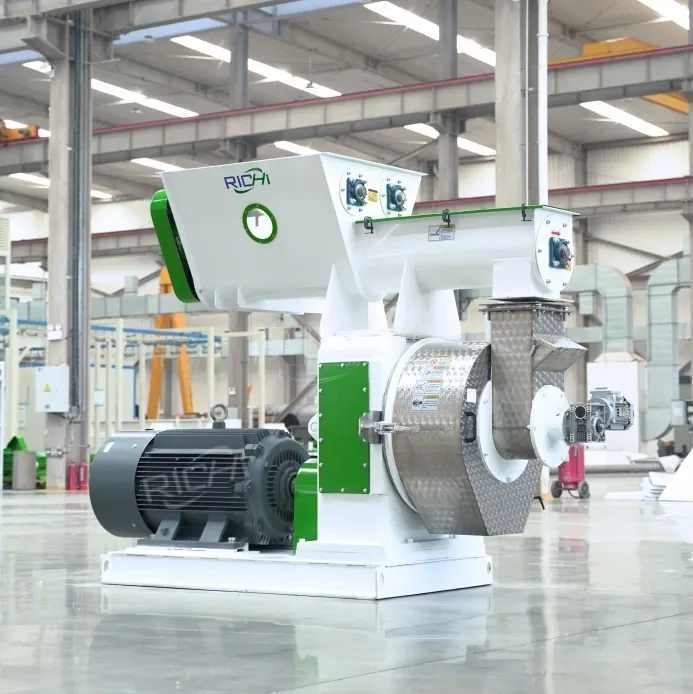
Cat Litter Pellet Machine for Sale
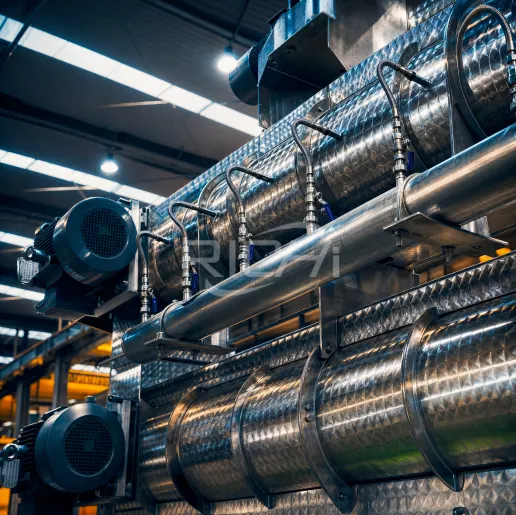
RICHI offers two series of cat litter pellet machines: MSZLH and MZLH. The MSZLH cat litter machine has a capacity of 1-40 t/h. It uses an extended and thickened stainless steel conditioner to condition raw materials with saturated steam. If your formula requires steam conditioning before pelletizing, this series is worth considering first. Applicable raw materials include bentonite, tofu dregs, cassava, corn, and more.
The MZLH cat litter pellet machine has a capacity of 0.3-4.5 t/h. Raw materials can enter the pelletizing stage without steam conditioning, making it more suitable for formulas that can be directly pressed into shape. The equipment uses wear-resistant components and can adjust the compression ratio according to raw material characteristics. It can easily handle pine wood, rice husk, plant fibers, waste paper, and wood shavings.
We have delivered a 1 t/h cat litter pellet line in Thailand, a tofu cat litter line in Malaysia, and also built a small cat litter line with 2 mm finished pellets. Welcome to contact us for your customized cat litter pelletizing solution.
Capacity: 0.3-40 T/H
Power: 22-315 kW
Cat Litter Pellet Machine Applications
With the growth of the pet economy, cat litter products are also developing toward raw material diversification, product segmentation, and different capacity requirements. The RICHI cat litter pellet naking machine is designed for this, helping you easily handle production needs for different raw materials and product types.
From mineral-based and plant-based to wood-based and paper-based raw materials, the cat litter pellet machine can adapt to all of them. Different raw materials have their own characteristics in pelletizing: bentonite has good balling properties and strong clumping ability; plant materials such as bean dregs and corn are widely available and low in cost; wood shavings and straw have high fiber content and are suitable for biomass cat litter; paper pulp materials can improve the water absorption speed of pellets.
These raw materials can be pelletized individually or mixed. The final products include bentonite cat litter, tofu cat litter, wood shaving cat litter, paper pulp cat litter, and various mixed cat litters, covering the needs of different pets and consumption scenarios. Some products also add functional materials such as activated carbon to the formula to develop cat litter with different characteristics.
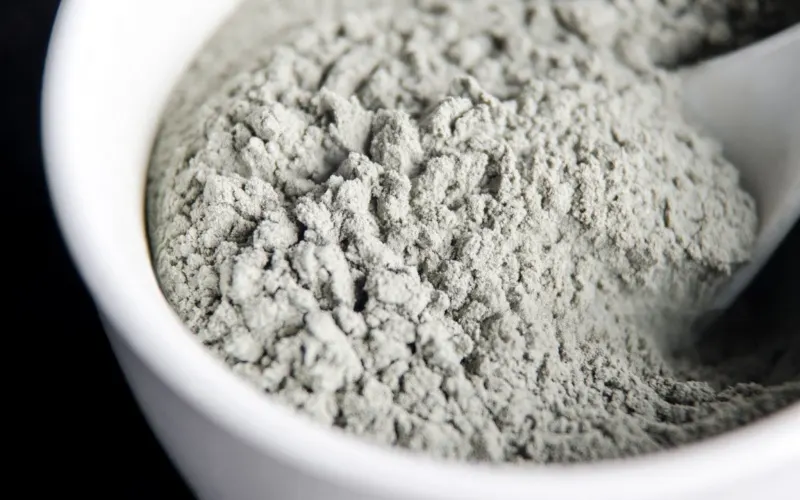
Bentonite
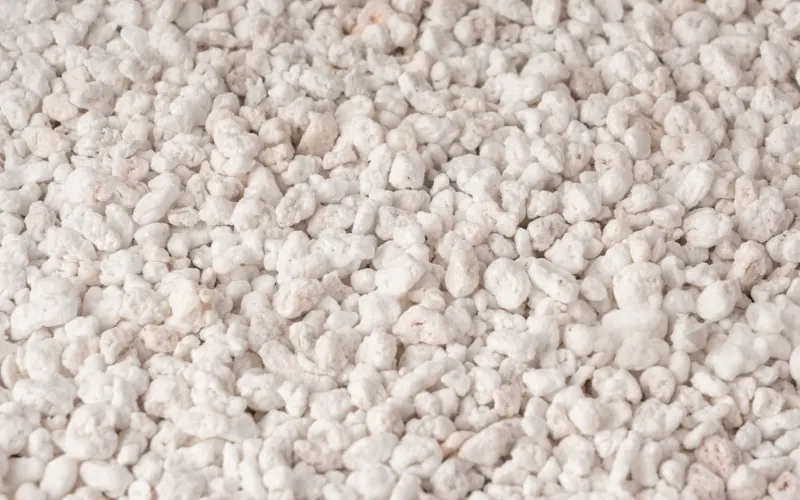
Zeolite
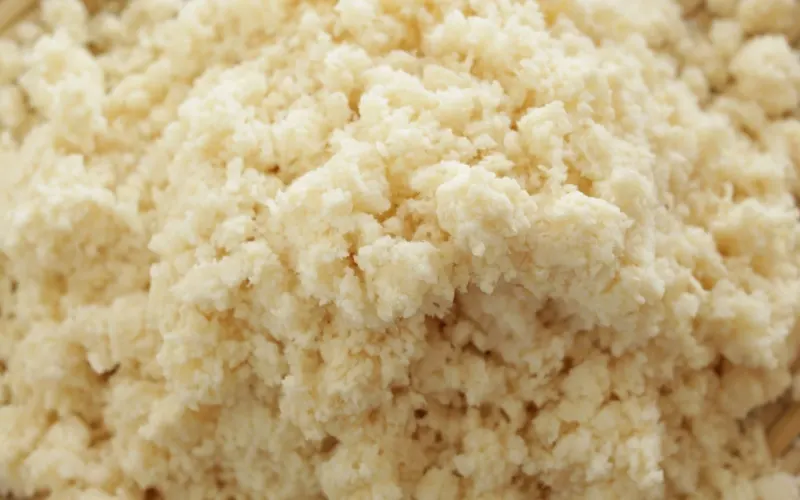
Bean Dreg
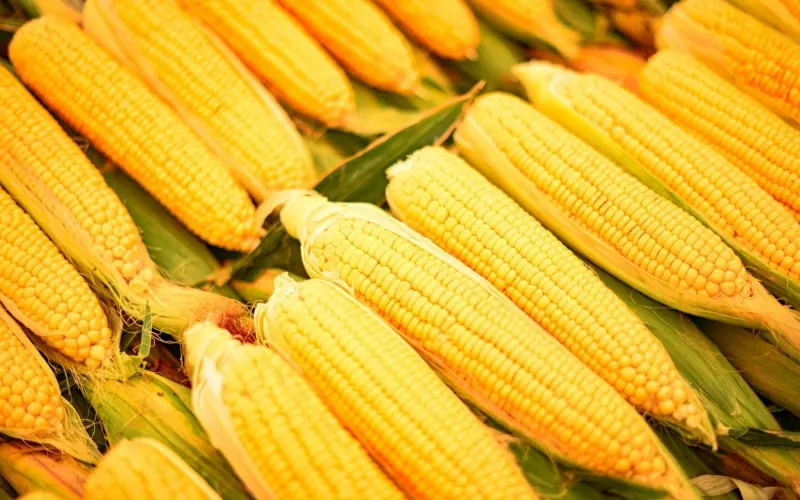
Corn
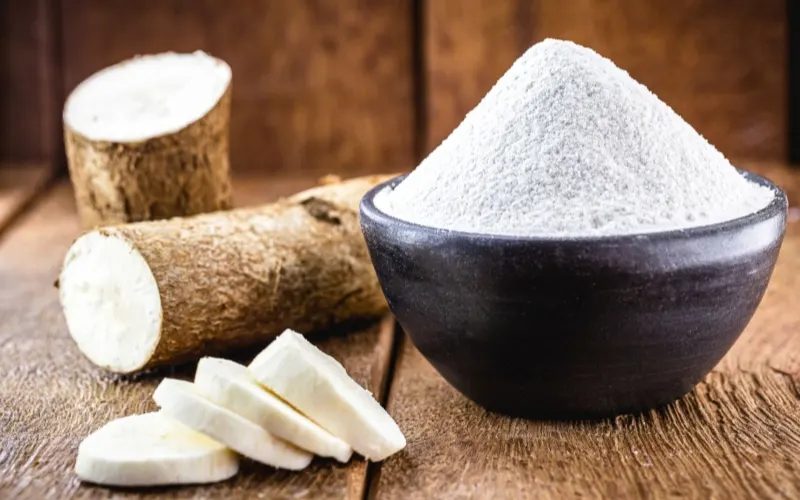
Cassava
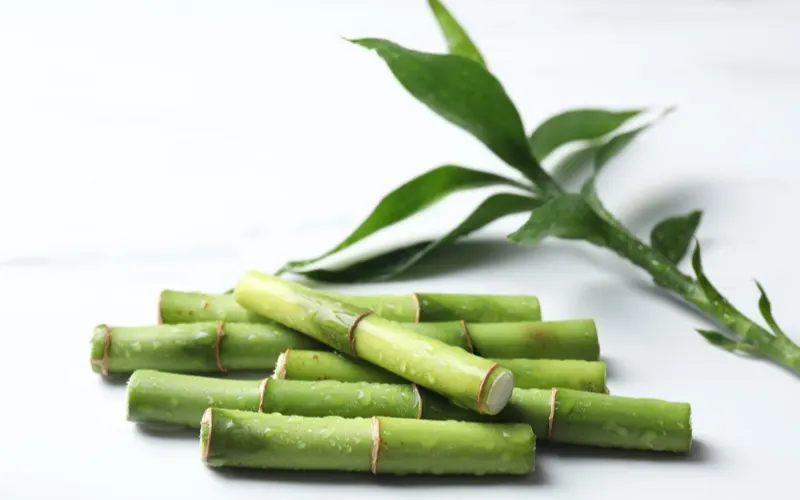
Bamboo Fiber
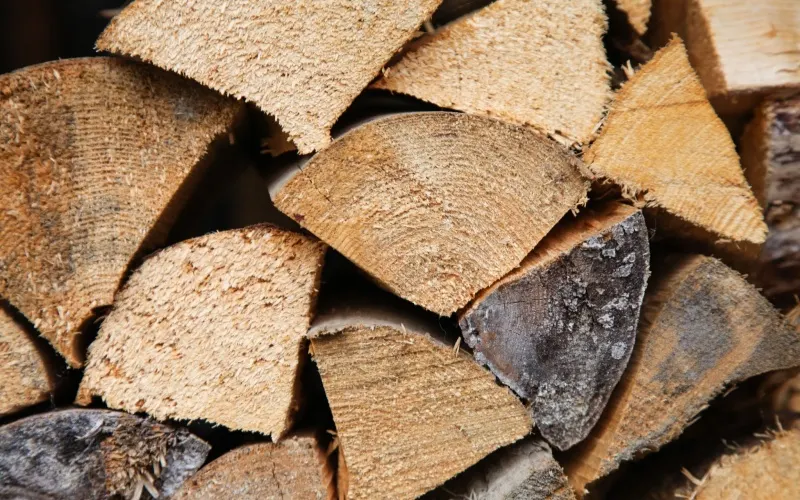
Pine Wood
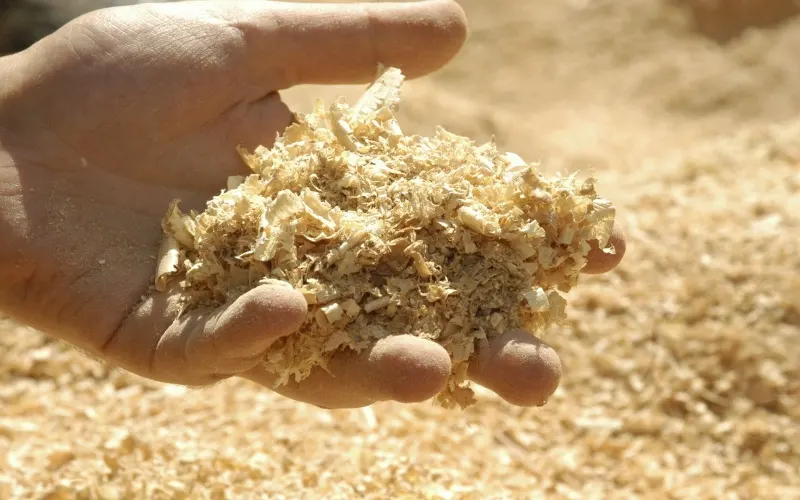
Wood Shaving
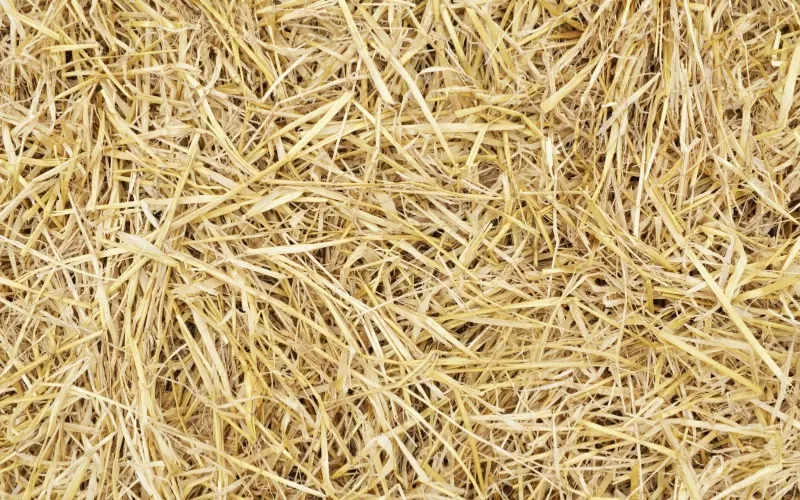
Straw
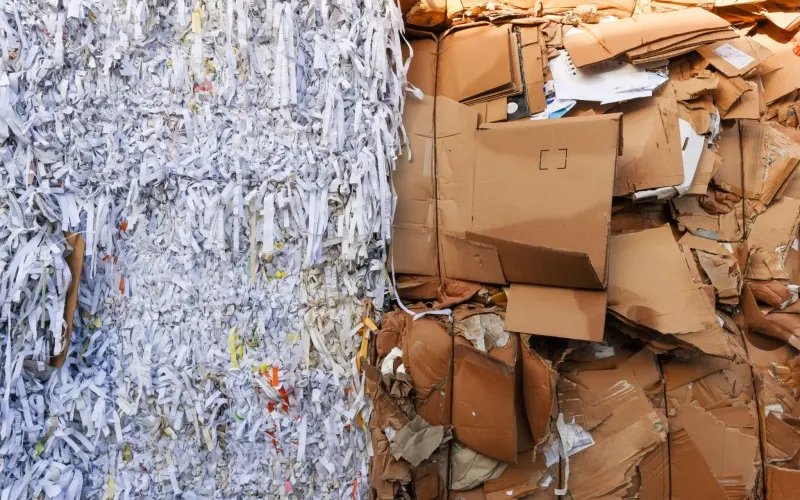
Paper
Key Components and Design of Cat Litter Pellet Machine
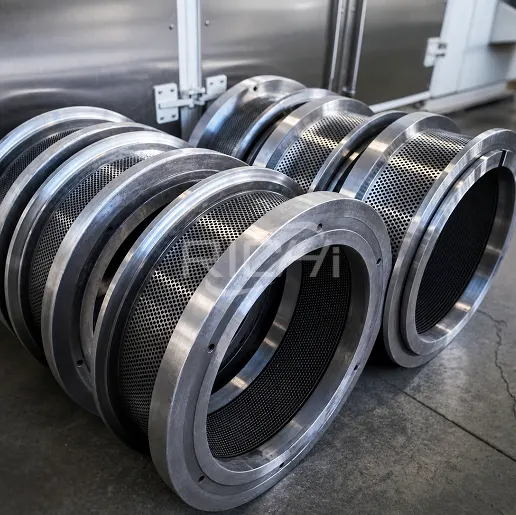
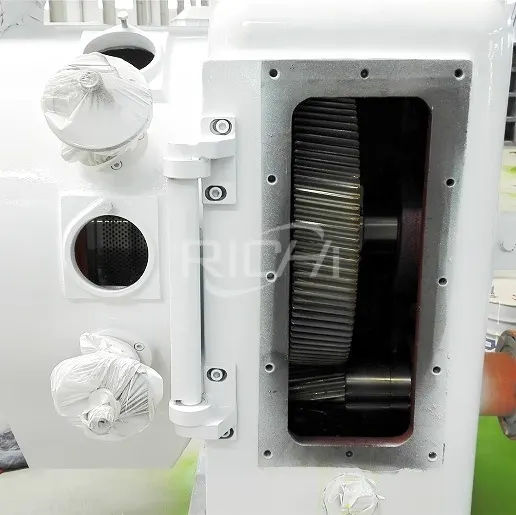
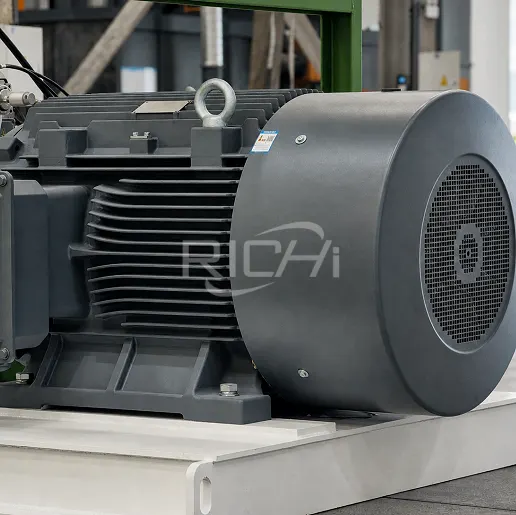
The performance of a cat litter pellet making machine depends largely on the material selection and structural design of its core components. Take a look at our machine’s configuration approach for key parts such as the ring die and transmission.

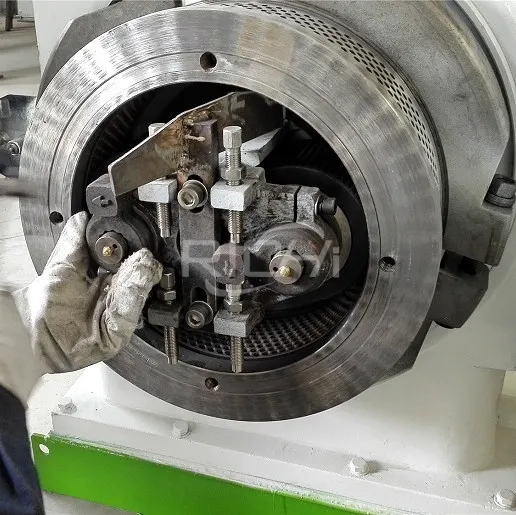
Cat Litter Pellet Machine Models and Technical Specifications
Below are the models and parameters of two cat litter making machines. You can combine raw material characteristics and planned output to initially screen for equipment that suits you.

MSZLH Cat Litter Pellet Machine
| Model | Production Output (t/h) | Main Motor Power (kW) | Ring Die Diameter (mm) | Finished Pellets Diameter (mm) |
|---|---|---|---|---|
| MSZLH250 | 1-1.5 | 22 | 250 | 2-12 |
| MSZLH320 | 3-4 | 37 | 320 | 2-12 |
| MSZLH350 | 5-6 | 55 | 350 | 2-12 |
| MSZLH420 | 10-12 | 110 | 420 | 2-12 |
| MSZLH508 | 15-16 | 160 | 508 | 2-12 |
| MSZLH558 | 20-22 | 185 | 558 | 2-12 |
| MSZLH678 | 30-33 | 250 | 673 | 2-12 |
| MSZLH768 | 38-40 | 315 | 762 | 2-12 |
MZLH Cat Litter Pellet Machine
| Model | Production Output (t/h) | Main Motor Power (kW) | Ring Die Diameter (mm) | Finished Pellets Diameter (mm) |
|---|---|---|---|---|
| MZLH320 | 0.2-0.3 | 22 | 320 | 4-12 |
| MZLH350 | 0.3-0.5 | 37 | 350 | 4-12 |
| MZLH420 | 1-1.2 | 90 | 420 | 4-12 |
| MZLH520 | 1.5-2 | 132 | 520 | 4-12 |
| MZLH678 | 2.5-3 | 200 | 673 | 4-12 |
| MZLH768 | 3-4 | 250 | 762 | 4-12 |
| MZLH858 | 4-5 | 280 | 858 | 4-12 |
Note: The actual parameters are affected by configuration, raw materials, and other factors. The above data is for reference only.
How Does a Cat Litter Pellet Machine Work?
The cat litter pellet mill uses the cooperation of pressure rollers and ring die to extrude processed raw materials into shape. The video on the right shows the core process of ring die pelletizing. The two models share the same principle at this stage, with the main difference being whether steam conditioning is needed before pelletizing.
PREV
NEXT

Cat Litter Pelletizing Solutions for Different Production Needs
RICHI provides a variety of cat litter pelletizing solutions, configuring machines according to raw material characteristics and your capacity needs. They can handle single raw materials or mixed formulas such as bentonite + activated carbon. Below are several mainstream cat litter pelletizing solutions on the market.
Bentonite Cat Litter Pellet Machine
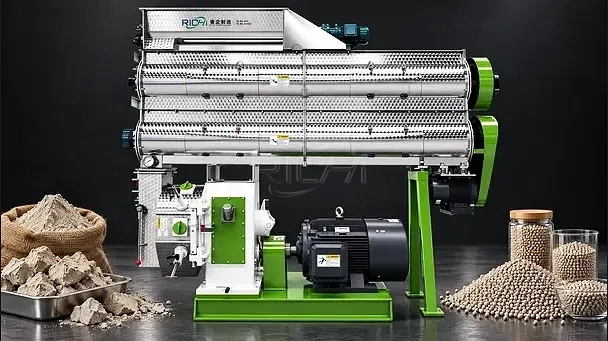
Reference capacity: 3-28 t/h
Bentonite cat litter is currently the largest category on the market, with strong clumping ability and fast water absorption. However, bentonite is relatively hard and highly abrasive. Our machine uses wear-resistant alloy materials for the ring die and pressure rollers. We also optimize the compression ratio and die hole structure for bentonite to produce denser pellets that resist breakage.
Tofu Cat Litter Pellet Machine
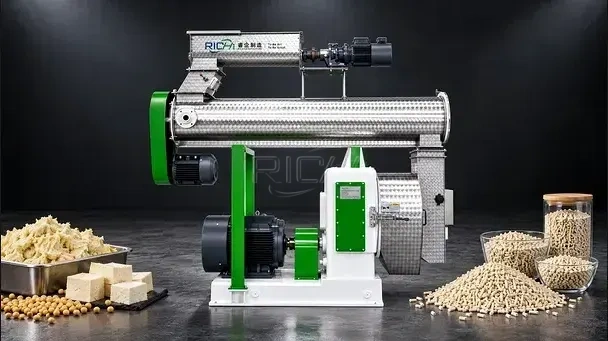
Reference capacity: 1.5-14 t/h
Tofu cat litter is mainly made from plant materials such as bean dregs, corn starch, and soybean fiber, and is an environmentally friendly and degradable type. This solution adapts to the pelletizing characteristics of plant materials. Through appropriate conditioning and extrusion processes, the finished pellets have fast water absorption speed and good clumping ability, with low dust and a fresh smell. Machine parts that contact raw materials are all made of stainless steel, easy to clean, and suitable for food-grade production requirements.
Wood Cat Litter Pellet Machine
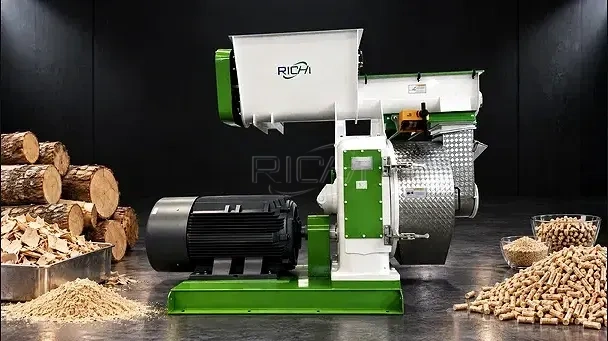
Reference capacity: 0.3-4.5 t/h
Wood cat litter uses wood fibers such as pine wood and sawdust as raw materials, and its forming relies on physical compression. This model is designed for the fiber characteristics of wood materials. The finished pellets have a natural wood fragrance, low dust, and good water absorption. The ring die hole diameter can be customized as needed to produce pellets of 2-12 mm diameter, suitable for bedding needs of different pets such as cats and hamsters.
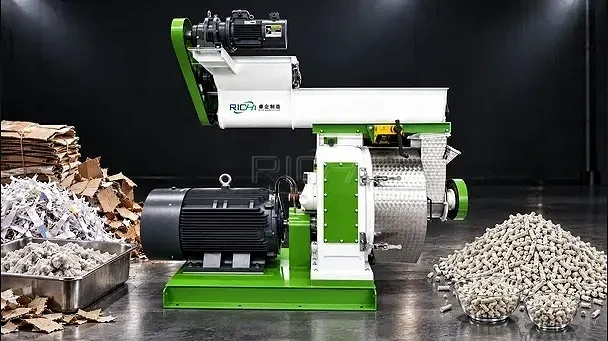
Paper Cat Litter Pellet Machine
Reference capacity: 0.7-5 t/h
Paper pulp cat litter uses recycled fibers from waste paper and cardboard. It absorbs water well and has a relatively low weight. Because these fibers are loose, you need to crush them and adjust their moisture content before pelletizing. You also need to select suitable ring die parameters to help the fibers form stable pellets. If you need to control the moisture content of the finished pellets more precisely, you can add drying equipment after pelletizing.
Cat Litter Pellet Machine Projects Around the World
From Southeast Asia to Europe, from North America to Australia, RICHI cat litter pellet making machines have been installed and running in many countries and regions around the world.
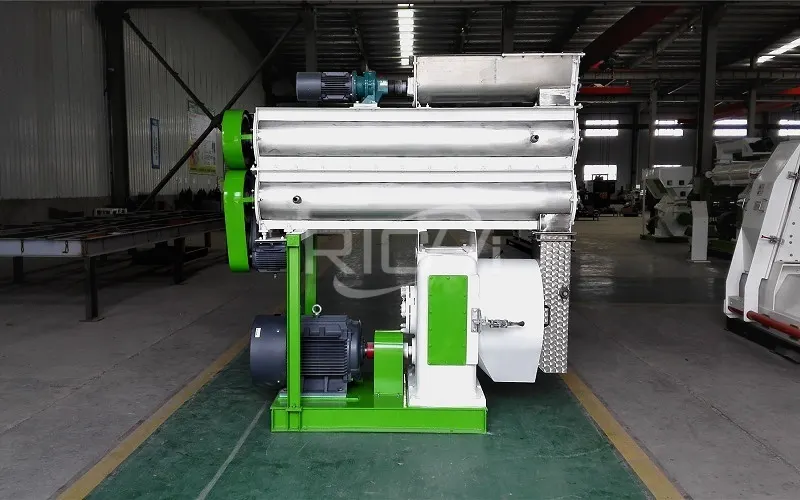
Tofu Cat Litter Pellet Machine Project in Malaysia
Capacity: 3 t/h
Raw Materials: bean dregs, corn starch, guar gum
Pellet Diameter: 2.5-3.0 mm
Application: tofu cat litter, supplied to local and Southeast Asian export markets
Solution: Variable frequency feeding system to solve bean dregs moisture fluctuation and bridging problems. Pelletizing rate above 95%, dust rate within 3%.
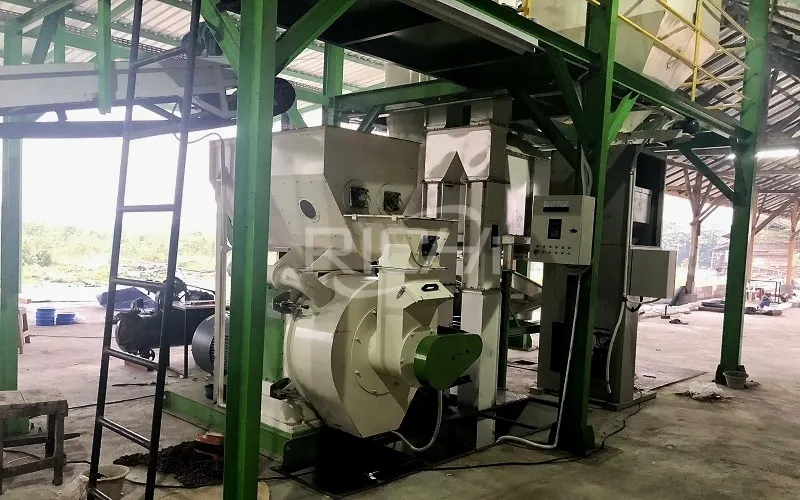
Paper Cat Litter Pellet Machine Project in the UK
Model: MZLH520
Capacity: 1.5 t/h
Raw Materials: recycled fibers such as waste paper and cardboard
Application: high-end paper cat litter, replacing imported products to supply the local market
Solution: Optimized pretreatment and pressing stages for the loose characteristics of paper fibers. Finished pellets have low dust and high water absorption.
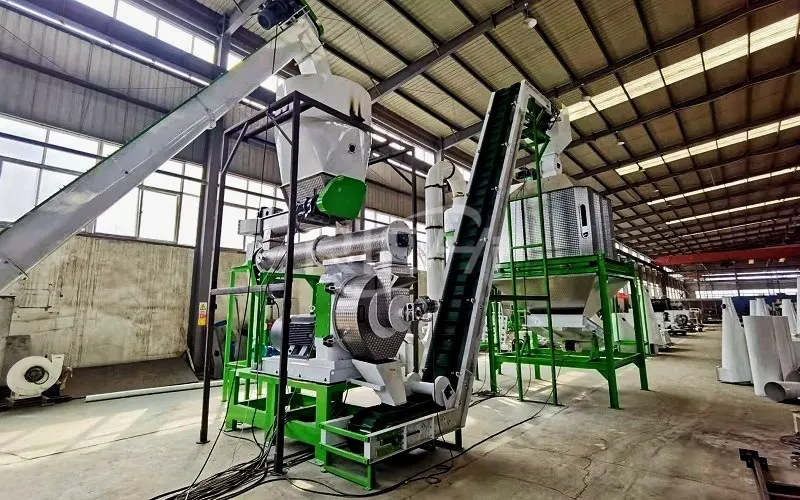
Bentonite Cat Litter Pellet Machine in America
The customer wanted to build a cat litter production line that could handle complex formulas, with many raw material types and precise ratio requirements. RICHI configured an MZLH420 machine and designed a complete solution with automatic batching scales to ensure uniform mixing of multiple materials. This solution helped the customer enter the high-end eco-friendly cat litter segment.
Raw Materials: sodium bentonite, wood fiber, corn starch, activated carbon
Pellet Diameter: 1.5-3.5 mm
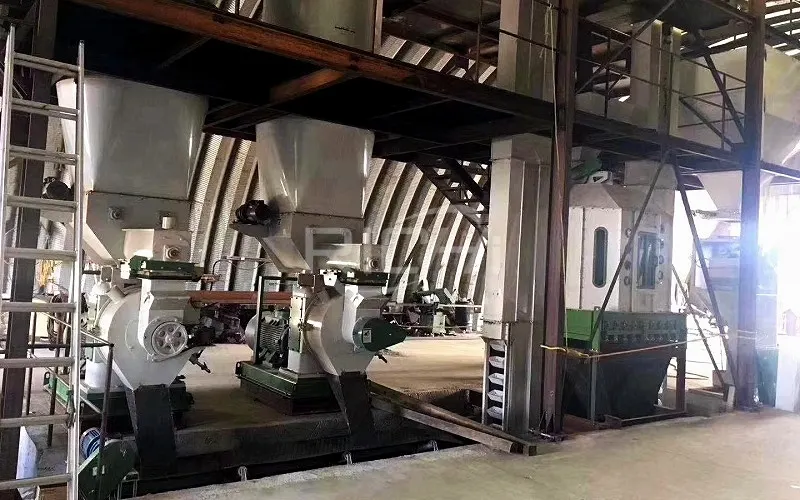
Wood Cat Litter Pellet Machine Project in Australia
The customer is a three-generation family-run wood processing factory in Victoria. They bought two MZLH350 cat litter pelletizers, using dry pressing without steam conditioning, preserving natural water absorption and deodorizing properties.
The two machines run at different times, making formula testing easier. Raw materials are 70% pine sawdust + 30% pasture grass, producing natural wood shaving cat litter while retaining the flexibility to switch to biomass fuel pellets.
PREV
NEXT

Complete Cat Litter Production Line
The cat litter manufacturing process typically includes crushing, mixing, pelletizing, drying, cooling, screening, spraying, and packaging. Depending on the type of raw materials and product requirements, some processes can be simplified or adjusted.
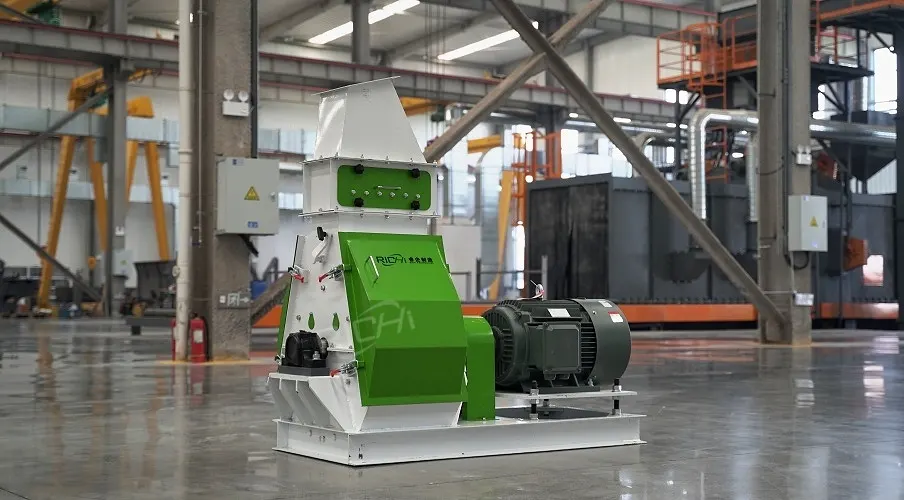
Crushing
You need to crush raw materials such as bentonite, wood shavings, and cardboard to a fineness of 3–5 mm before pelletizing. When producing bentonite cat litter, you also need to add sodium carbonate during crushing to modify the bentonite and improve its adsorption and clumping performance.
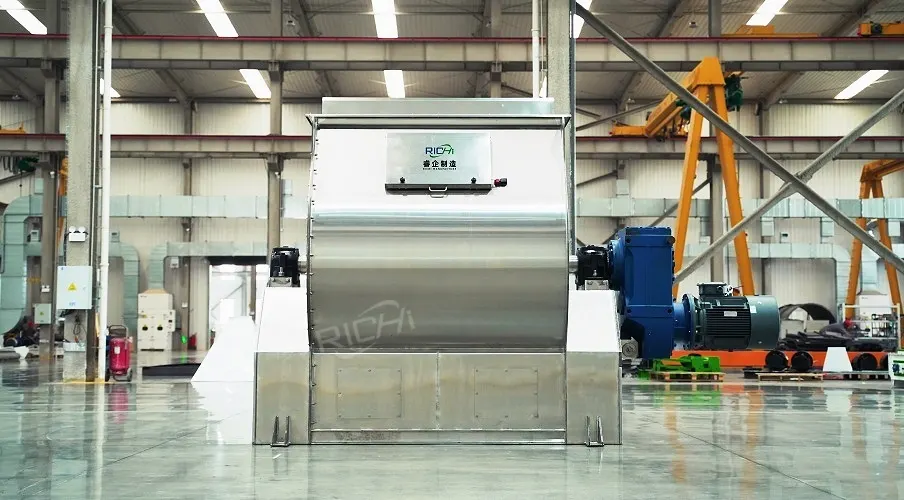
Mixing
The crushed raw materials enter the mixer in the required proportions, where the machine blends them thoroughly with binders and functional additives such as activated carbon and antibacterial agents.
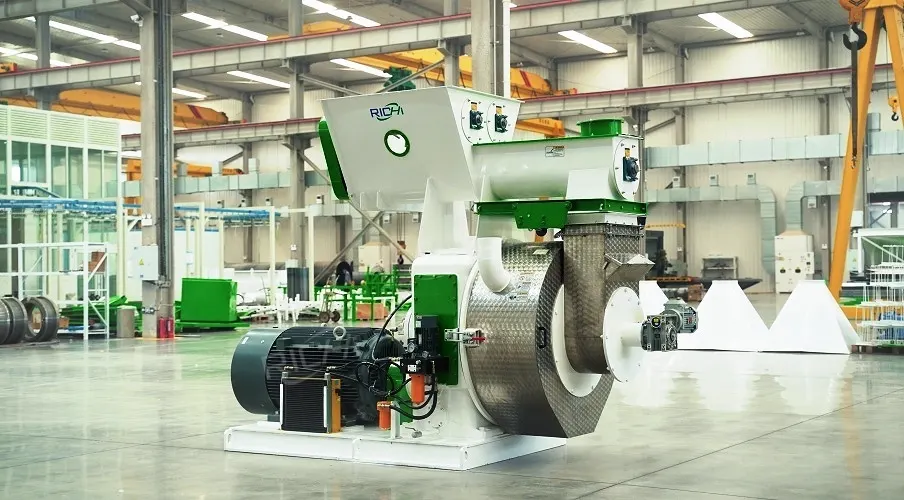
Pelletizing
The mixed raw materials enter the cat litter pellet machine and are formed through the extrusion of the ring die and pressure rollers. This is the core stage of the entire line. For plant-based products such as tofu cat litter and cassava cat litter, materials usually need conditioning before pelletizing to gelatinize starch and soften fibers, making extrusion forming easier.
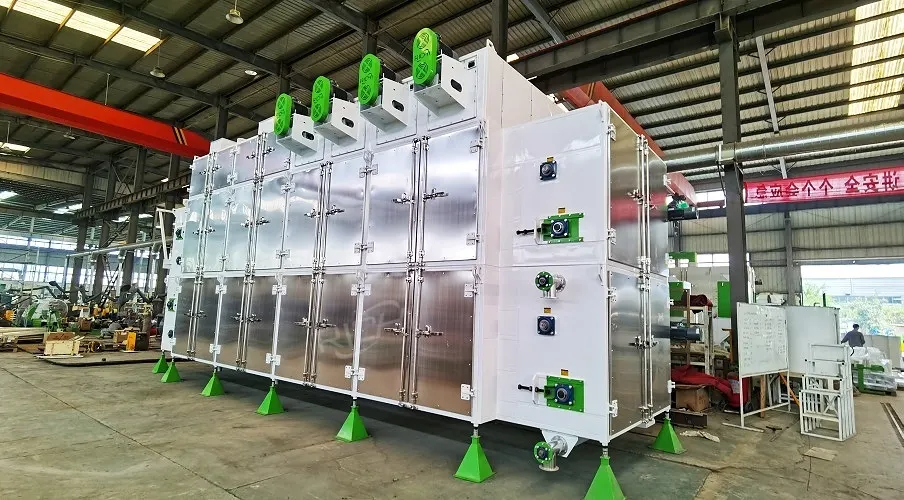
Drying
Freshly extruded wet pellets have high moisture content. Tofu cat litter has about 17%-18% moisture after pelletizing, and cassava cat litter can reach 30%. They must be dried to about 7%-10% moisture through a rotary dryer or mesh belt dryer.
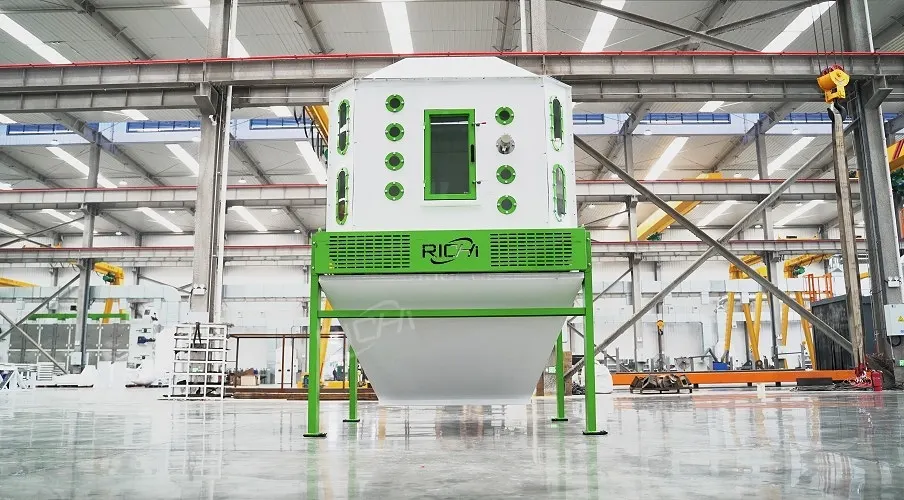
Cooling
The dried pellets enter a counterflow cooler for cooling and temperature reduction, avoiding cracks caused by residual heat or moisture after packaging.
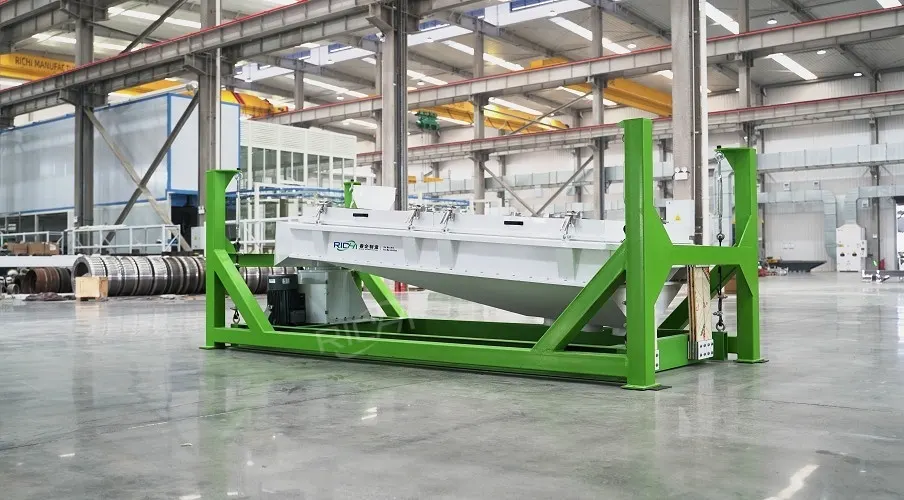
Screening
The cooled pellets are graded through a vibrating screen. Finished products of qualified particle size enter the packaging stage, while oversized or undersized pellets are returned to the pelletizing or crushing process for reuse.
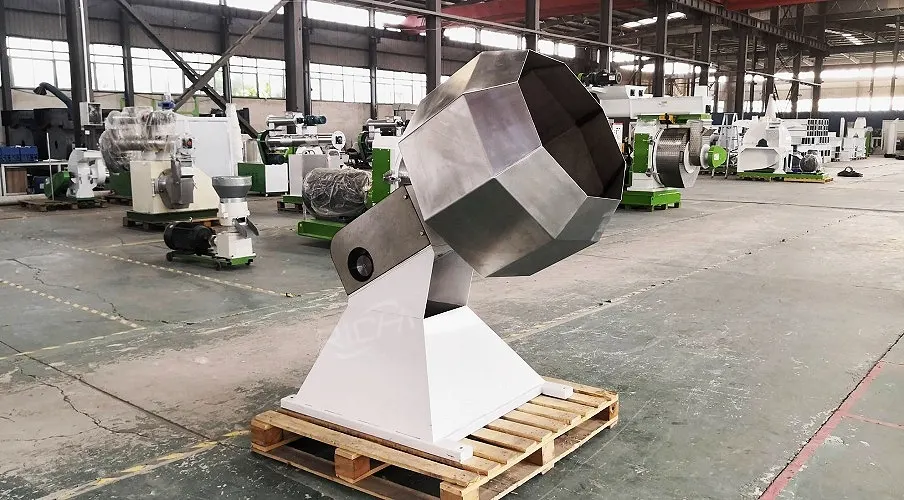
Spraying
If you plan to produce scented or antibacterial cat litter, you can use a liquid spraying machine to apply fragrance, antibacterial agents, or other functional additives to the surface of finished pellets.
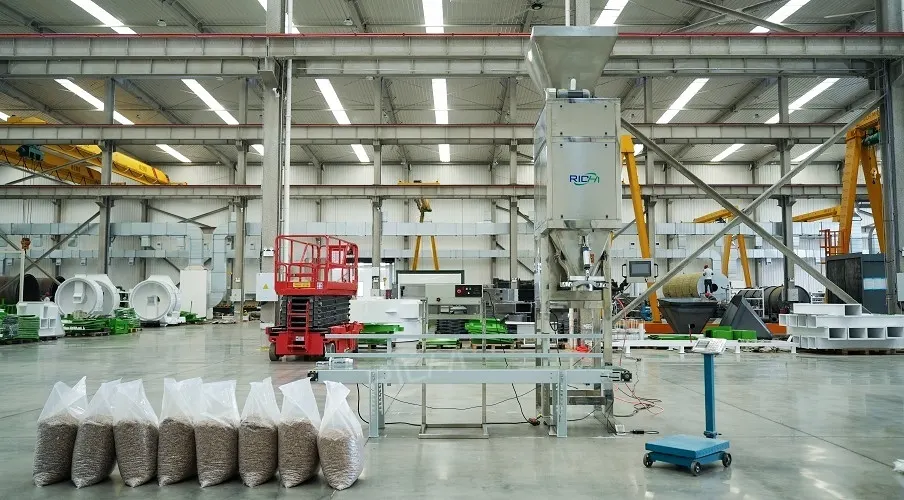
Packaging
Finally, qualified cat litter pellets enter the packaging machine for quantitative packaging according to set weight. Packaging specifications cover 10-50 kg.
FAQs About the Cat Litter Pellet Machine
Below is a summary of the most common questions customers ask when buying a cat litter machine. We hope it helps you clarify key issues before model selection and production.
How much does a cat litter pellet machine cost?
→
The price typically ranges from USD 15,000 to 80,000. The cat litter pellet machine price depends on capacity, ring die specifications, whether a steam conditioner is needed, motor brand (such as Siemens), and automation level. These factors also determine the overall cat litter machine price for your project.
How long does the ring die last?
→
Under normal use conditions, the ring die life is about 1,000 hours. It also depends on the raw material. Bentonite is more abrasive and usually wears the ring die faster than plant fibers.
Our ring dies use wear-resistant alloy materials and undergo deep carburizing and quenching treatment. The equipment uses a hoop-type structure, and replacing the ring die takes about half an hour, making subsequent maintenance convenient.
What is the moisture content after pelletizing? My budget is limited. Can I dry it naturally?
→
Freshly extruded pellets contain a lot of moisture. Tofu cat litter has about 17–18% moisture, while cassava cat litter can reach 30%. You need to dry the pellets to 7–10% moisture for stable storage and use. You can dry them naturally, but this method requires plenty of sunlight, suitable temperatures, and good ventilation. Weather changes can also affect drying time and consistency. If you produce large volumes or work in a humid climate, a mechanical dryer offers more reliable results over time.
Can I add fragrance or antibacterial agents? Can you produce cat litter in different colors?
→
Yes. The specific addition method depends on the properties of the additive and product requirements.
Fragrance can be added during the mixing stage or applied by surface spraying after pellets are formed. Mixing into raw materials usually helps with fragrance distribution, but fragrance performance varies by formula; surface spraying can release the fragrance more directly.
Functional additives such as antibacterial agents need their addition location determined according to their heat resistance and usage requirements. When producing colored cat litter, applicable pigments can be added during mixing or post-treatment. If you want more uniform color, adjustment is needed in combination with spraying equipment and processes.
Do I need a steam conditioner?
→
Your raw materials and product requirements determine whether you need steam conditioning. For many plant-based formulas, steam conditioning helps gelatinize starch and soften fibers, improving pellet strength and surface smoothness. You can usually process bentonite or dry wood shavings without conditioning, using the ring die and rollers to compress the material into pellets.
What is the warranty period for the cat litter pellet machine? What after-sales services do you provide?
→
The warranty is 12 months, with free repair during the period. After the warranty period, only parts are charged, and technical support is for life. From your model selection to design, production, shipping, installation, and training, we follow through the whole process, and later parts and follow-up visits are also included. No matter which country you are in, you can contact our engineers directly with any questions by email or phone, and we are reachable all year round. To learn more complete service content, you can view our turnkey service page.

