
cattle feed pellet mill

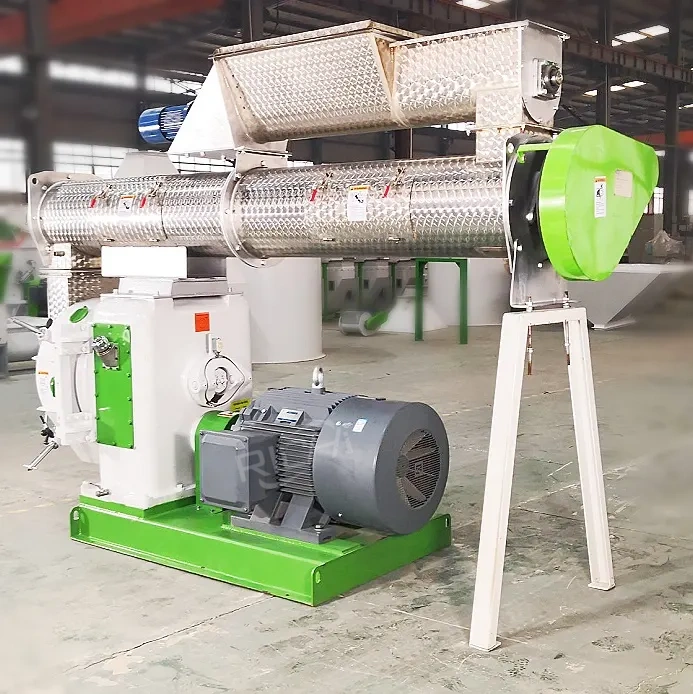
What Is a Cattle Feed Pellet Mill?
In recent years, global demand for beef and dairy products has continued to grow, and cattle farming is also moving toward larger scale, intensification, and higher production efficiency. For large-scale farms and commercial feed mills, a stable supply of nutritionally balanced feed that is easy to store and transport has become an important part of daily production.
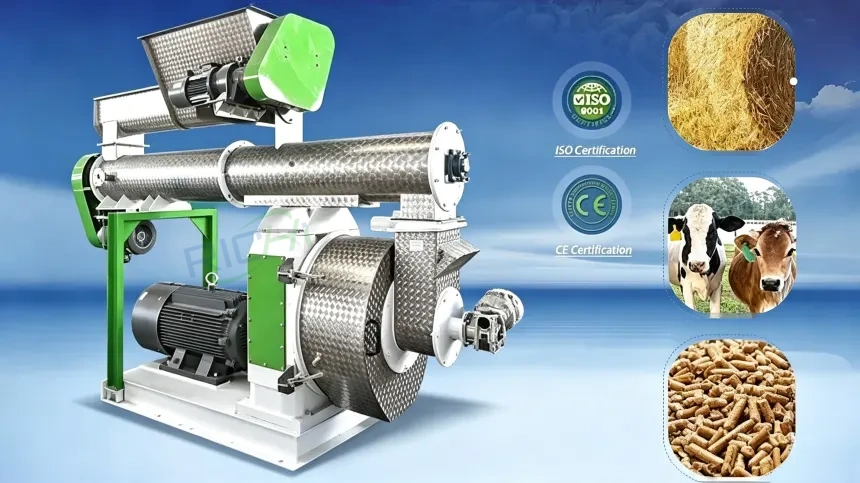
Under this trend, cattle feed pellet mills are attracting more and more attention. This is a ring die pelletizing machine that uses mechanical pressure to press mixed feed such as corn, soybean meal, and alfalfa into pellets. After raw materials enter the machine, they go through feeding, conditioning, and pressing. The material passes through the ring die holes to form continuous feed pellets, which are then cut to the required length by the cutter.
When choosing a cattle feed pellet machine, the focus is not only on whether it can make pellets. It also includes whether the equipment can run stably over the long term, adapt to different formulas, and meet capacity needs from small feed mills to large commercial production lines. RICHI is a cattle feed pellet machine manufacturer from China. We have focused on pellet mills for more than 30 years. Our self-produced SZLH series cattle feed pellet mills cover a capacity of 1–100 t/h and have been used in more than 140 countries and regions worldwide.
Capacity: 22-250 T/H
Starting price: 7000 USD
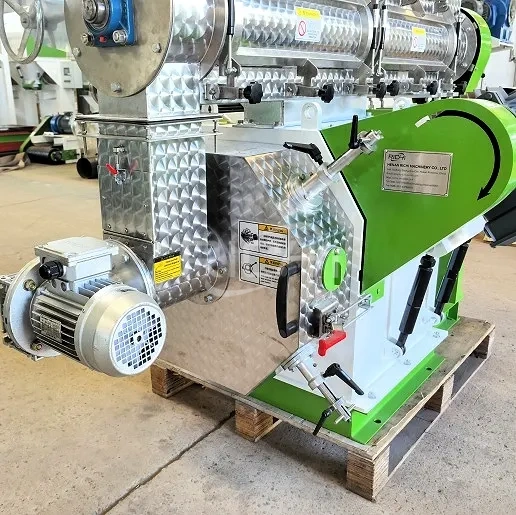
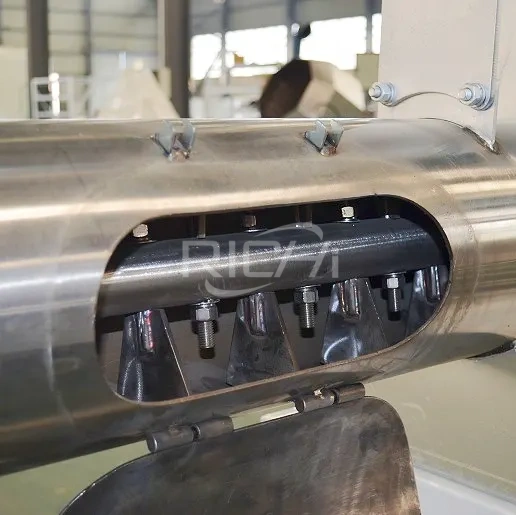
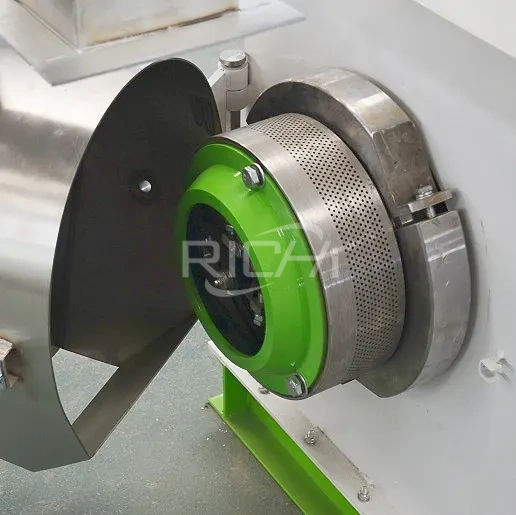
Structure and Key Components of a Cattle Feed Pellet Mill
The cattle feed pellet mill for sale uses a heavy-duty ring die pelletizing system. It can process high-fiber forage such as alfalfa and straw, and it is also suitable for common cattle feed formulas. Every structural unit of the machine has been precisely engineered to withstand the demands of commercial feed production.

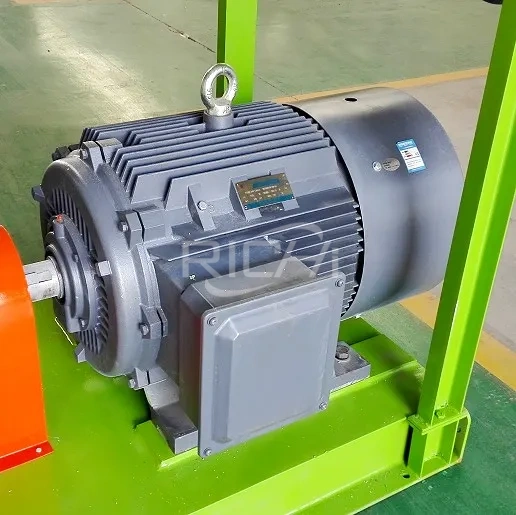
Specifications and Parameters
The following parameters are the conventional configuration range of the RICHI SZLH series cattle feed pellet mill and can be used as a reference for preliminary model selection. We can recommend suitable equipment configurations based on your raw materials, formula, pellet specifications, and budget. You are welcome to consult RICHI engineers.

| Model | Main Motor Power (kW) | Conditioner Power (kW) | Ring Die Inner Diameter (mm) | Production Output (t/h) | Finished Pellets Diameter (mm) |
|---|---|---|---|---|---|
| SZLH250 | 22 | 1.5 | 250 | 1-1.5 | 2-12 |
| SZLH320 | 37 | 4 | 320 | 3-4 | 2-12 |
| SZLH350 | 55 | 4 | 350 | 5-6 | 2-12 |
| SZLH420 | 110 | 7.5 | 420 | 10-12 | 2-12 |
| SZLH508 | 160 | 7.5 | 508 | 15-16 | 2-12 |
| SZLH558 | 185 | 11 | 558 | 20-22 | 2-12 |
| SZLH678 | 250 | 11 | 673 | 30-33 | 2-12 |
| SZLH768 | 315 | 11 | 762 | 38-40 | 2-12 |
Note: The parameters of the cattle feed pellet mill are for reference only. Detailed data will vary according to the specific configuration.
How Does a Cattle Feed Pellet Mill Work?
The pelletizing process of a cattle pellet machine is not complicated, but each step affects the final pellet quality. The machine’s pelletizing process can be divided into four steps: feeding, conditioning, pressing, and cutting.
PREV
NEXT

What Can You Make with a Cattle Feed Pellet Mill?
What raw materials do you use? What type of cattle feed do you plan to produce? In fact, this machine is highly flexible. You can use it to process most types of grain, protein, and forage raw materials, and you can also produce different types of animal feed.
Processing Different Raw Materials
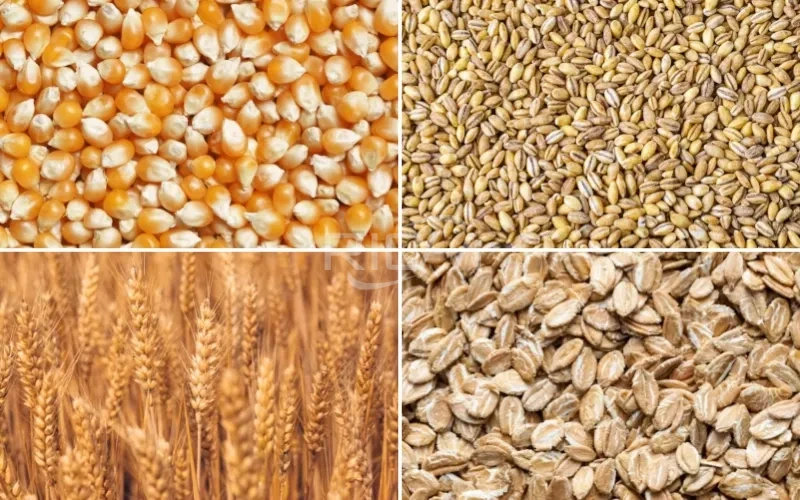
Grain Materials
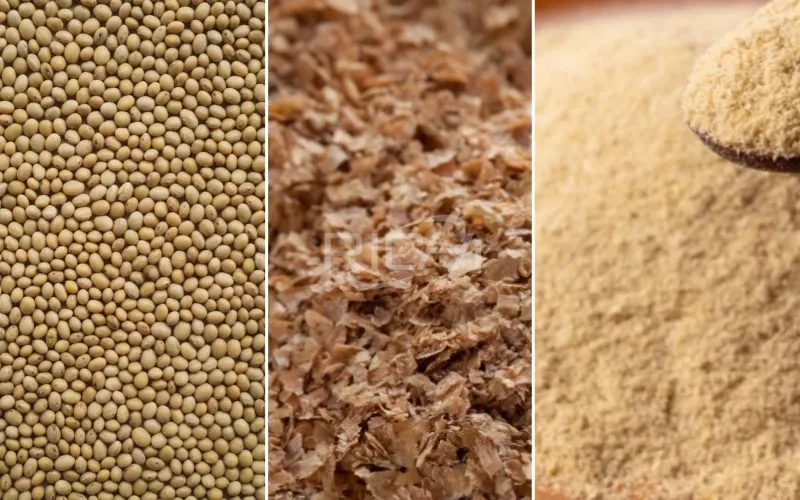
Protein Materials
Grass Materials
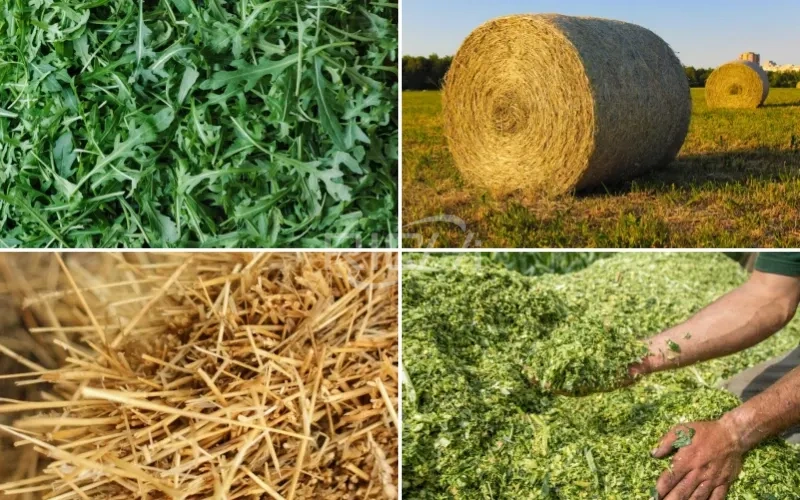
Grain raw materials: corn, wheat, barley, oats, etc.
Protein and by-product raw materials: soybean meal, wheat bran, rice bran, etc.
Forage and high-fiber raw materials: alfalfa, hay, forage, straw, etc.
Producing Different Types of Pellets
Dairy Cattle Feed
Beef Cattle Feed
Calf and Growing Cattle Feed
Other Animal Feed
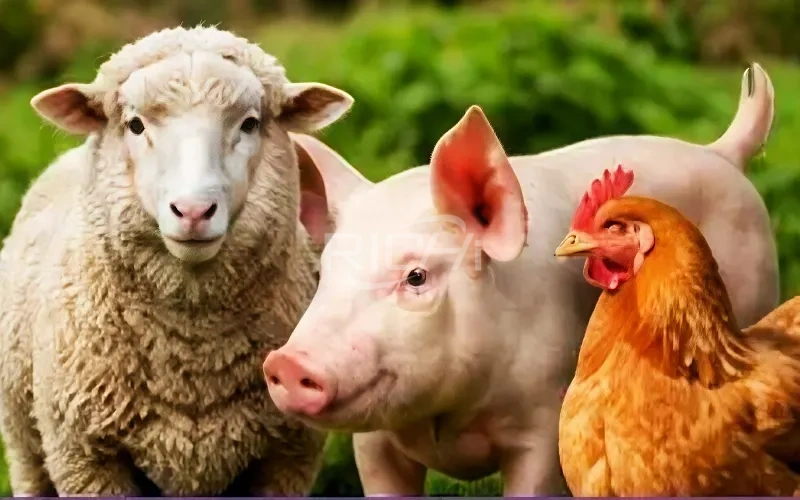
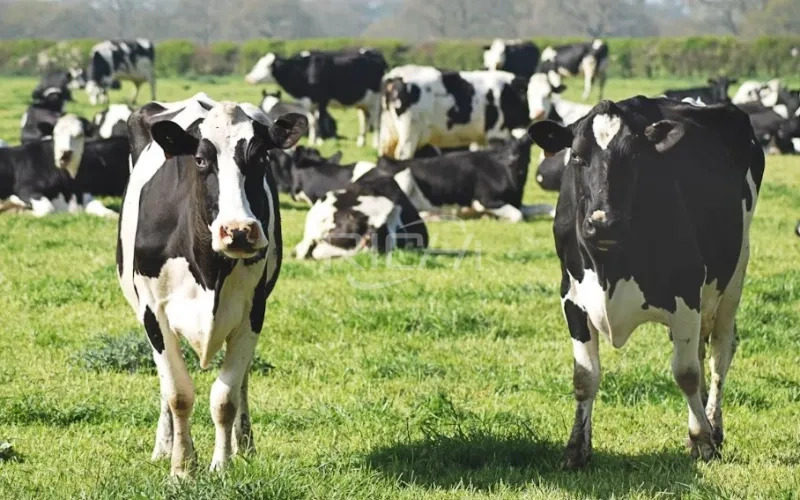
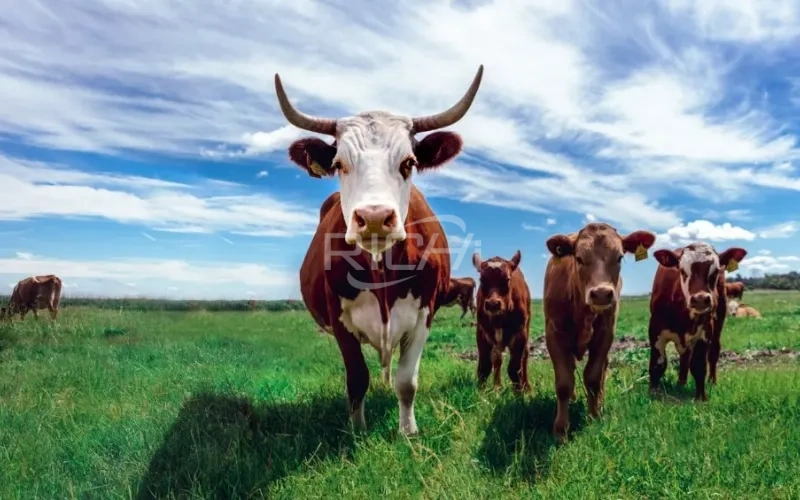
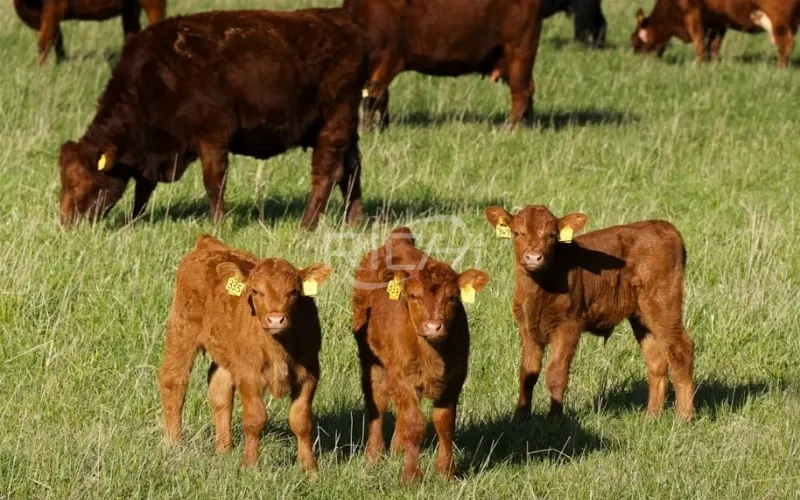
Our cattle feed pellet mill can be adjusted according to your formula to produce dairy cattle and beef cattle feed, and it can also produce pellet feed suitable for calves and growing cattle.
You can also use the cow feed pellet making machine to produce pig, sheep, and poultry feed by changing the feed formula and ring die specifications and adjusting the machine parameters.Don’t worry. The clamp-type ring die design makes ring die replacement more convenient. It only takes half an hour, and your workers can complete the replacement themselves. If you are also interested in pelletizing feed for other livestock or poultry, you can learn more about our animal feed pellet machine for different feed production needs.
Cattle Feed Pellet Mill Projects Around the World
Our cattle feed pellet making machines serve customers across six continents—Asia, Europe, Africa, North America, South America, and Oceania—and we have exported our products to more than 140 countries and regions worldwide.
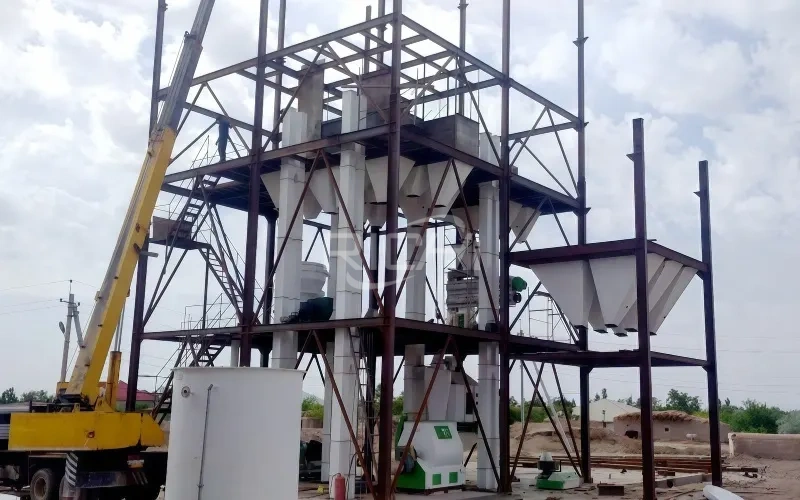
Large-Scale Cattle Feed Pellet Mill Project in Saudi Arabia
Model: SZLH508
Capacity: 15 t/h
Raw materials: corn, soybean meal, grass meal, and other cattle feed raw materials
Pellet diameter: 6–8 mm
Application: cattle feed pellets
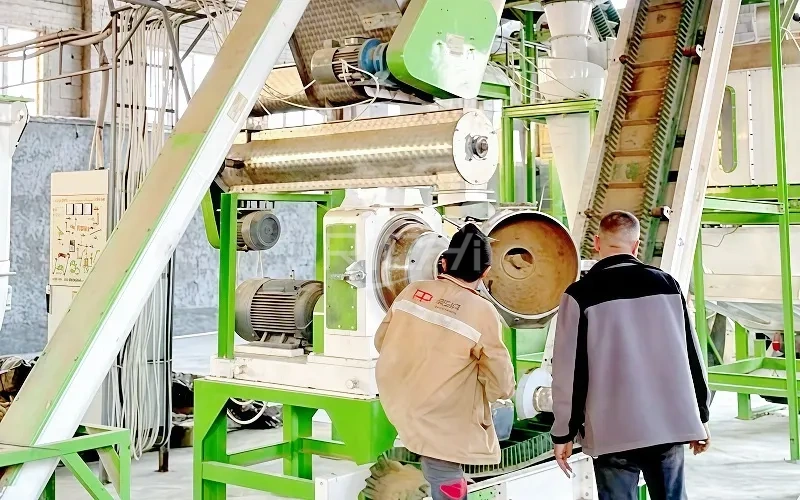
Small Cattle Feed Pellet Mill Project in Argentina
The customer’s existing pellet mill did not cool sufficiently in a high-humidity environment. We recommended the SZLH250 pellet mill and, for the local humid climate, specifically optimized the cooling air duct and the moisture-proof design of the pellet mill discharge outlet during on-site commissioning. After production began, the pellet moisture content met the standard, and this significantly extended the storage period.
Capacity: 1.5 t/h
Application: cattle feed pellets for on-farm use
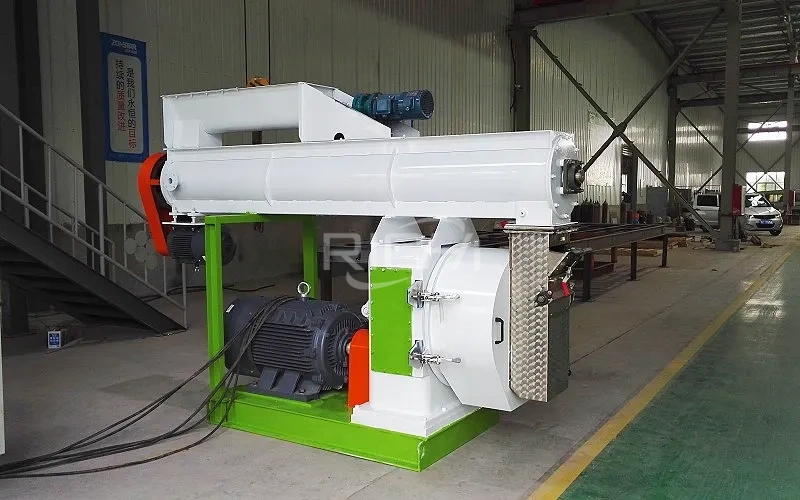
Custom Cattle Feed Pellet Mill Project in Uzbekistan
In this project, the customer mainly makes pellets for its own farm, but a railway track ran across the plant site and no one could remove it, so the customer could not install a pellet mill with a conventional layout. We arranged the SZLH320 pellet mill and its supporting feeding and conditioning units in a modular layout on both sides of the railway track, connecting the main machine with a custom long-distance drive shaft.
The equipment is mainly used for cattle feed processing on the customer’s own farm. The raw materials are mainly corn, wheat bran, and grass meal, and the capacity reaches 3 t/h. The equipment has been running for two years now. The customer reports that the equipment runs stably, the split layout has not affected the pelletizing effect, and daily maintenance is relatively convenient.
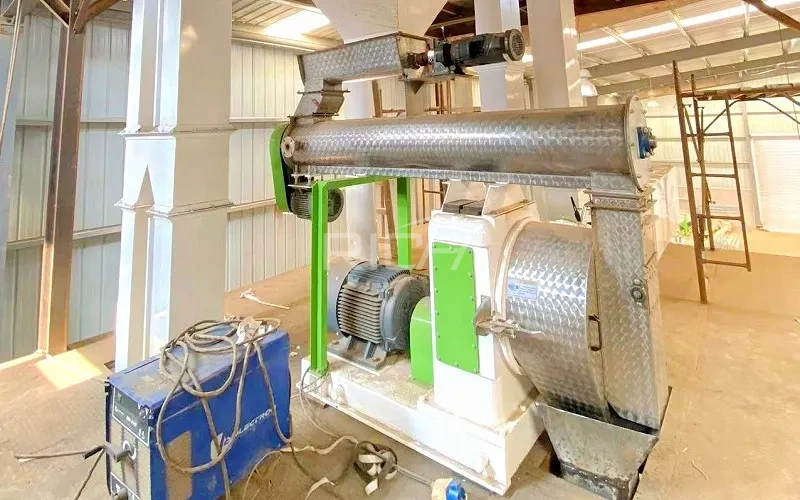
Commercial Cattle Feed Pellet Mill Project in the United States
The customer was entering the ruminant feed business for the first time and was not familiar with the pelletizing process for high-fiber raw materials. During trial operation, blockages and poorly formed pellets occurred frequently. We helped him re-match the ring die open area rate and roller clearance of the SZLH420 pellet mill and adjusted the feeding frequency. The pelletizing stability of the high-fiber formula improved significantly, and the equipment has entered normal production.
Raw materials: alfalfa meal, corn stalk, soybean meal, corn, and other cattle feed raw materials (crude fiber content of about 18–25%)
Capacity: 10 t/h
Application: commercial beef cattle/dairy cattle feed pellets
Cattle Feed Pellet Production Line and Process Flow
A high-quality cattle feed pellet mill for dairy cows cannot truly perform well without the cooperation of pre-processing, post-packaging, and other links. Considering that cattle feed raw materials are diverse and formulas change frequently, we provide complete cattle feed production line solutions.
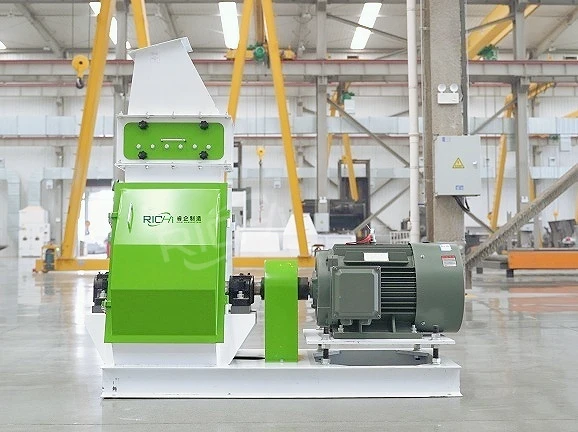
Crushing
First, raw materials that have undergone preliminary cleaning first enter the crusher, and the crusher crushes them to the appropriate particle size according to formula requirements.
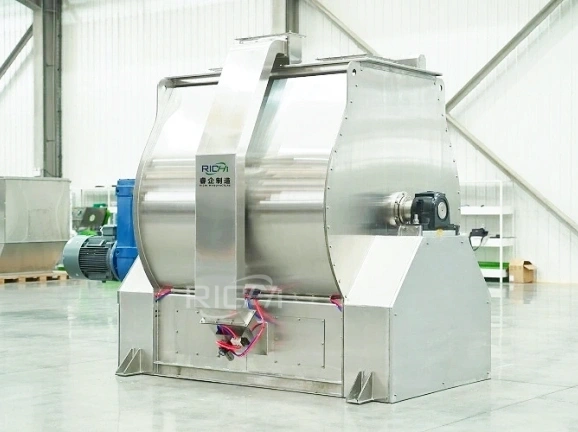
Mixing
An intelligent batching scale accurately measures the crushed raw materials. After weighing, they enter a feed mixer for thorough stirring and mixing.
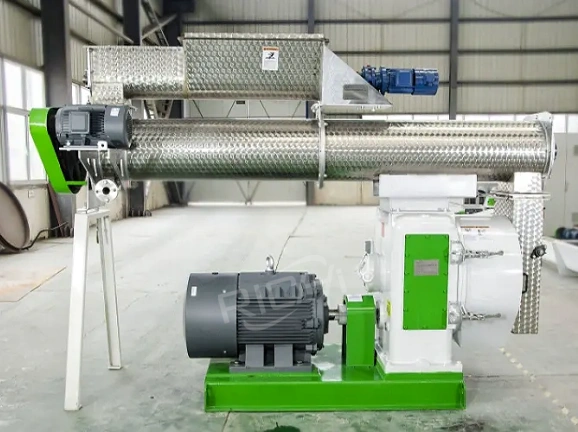
Pelletizing
The mixed raw materials enter the cattle feed pellet mill and first go into the conditioner for full conditioning in a steam environment. After that, the ring die and rollers press the raw materials into shape, and the cutter cuts them to the required length.
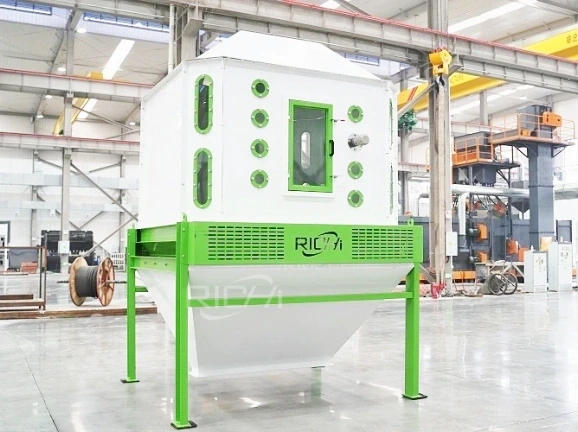
Cooling
The freshly produced pellets have a temperature of about 80 °C. They first need to go through a counterflow cooler to reduce temperature and remove moisture, which helps keep the quality of the finished pellets stable.
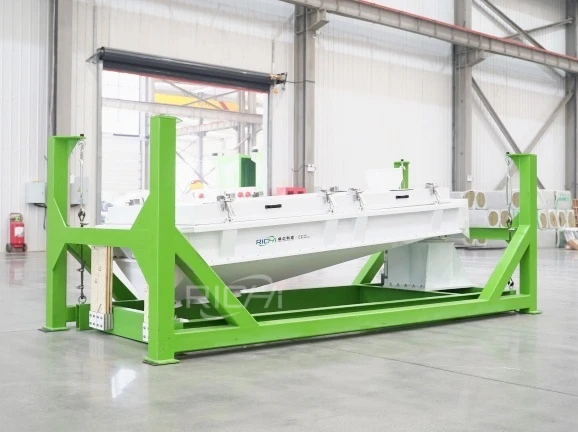
Screening
After that, a rotary grading sieve screens out unqualified pellets and powder and sends them back to the production line for reprocessing. Qualified pellets enter the next process.
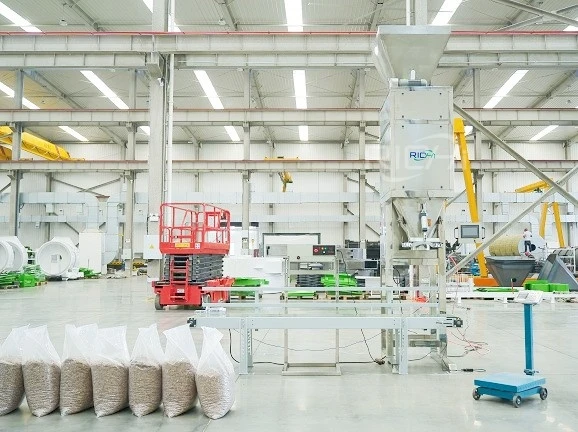
Packing
Finally, the finished pellets enter an automatic packing machine for weighing and packing. At this point, the entire cattle feed production line is basically complete.
What to Know Before Buying a Cattle Feed Pellet Mill
When buying and using a pellet making machine for cattle feed, you will always encounter some uncertain points. Don’t worry. We have compiled the questions customers ask most here.
What are the benefits of using a pellet machine for cattle feed?
→
High temperature and high pressure sterilization helps fiber raw materials cook better, so animals can digest and absorb them better. Formulas can be adjusted according to the nutritional needs of cattle at different stages. Pellet feed is easy to store and transport and is not easy to spoil.
Can RICHI’s cattle feed pellet mill handle high-fiber, high-moisture materials such as alfalfa?
→
No problem. We have specially developed a forced feeding system and a reinforced ring die structure. We can handle high-fiber raw materials such as alfalfa, oat grass, and straw. With an affordable cattle feed pellet machine price, you can produce high-quality pellets that are easy for cattle to digest and absorb.
What is the capacity range of a cattle feed pellet mill? How do I choose a model?
→
The equipment capacity covers 1 to 40 tons per hour, with a maximum of 100 tons.
The specific model to choose must be comprehensively determined according to capacity requirements and raw material formulas. If you are not sure which model to choose, you can contact us. We have a professional team to provide you with a one-on-one capacity matching solution.
Is the equipment complicated to operate, and how can we learn?
→
Operation is not complicated. The cow feed pellet mill supports one-button startup, and it can also intelligently adjust some equipment parameters. Workers can get started after simple training.
In addition, we also provide detailed operation manuals, maintenance checklists, and instructional videos.
Do you provide installation guidance or overseas engineer services?
→
Yes. According to the specific terms discussed, we send engineers to the site to help you with installation, commissioning, and operation training, helping your team operate the equipment independently as soon as possible.
What is the warranty period and maintenance policy?
→
The warranty period is 12 months. If there is non-human damage, we can repair it. After the warranty period, it is also fine. We provide lifetime maintenance service. Repairs only charge the cost of parts.

