
corn stalk pellet machine

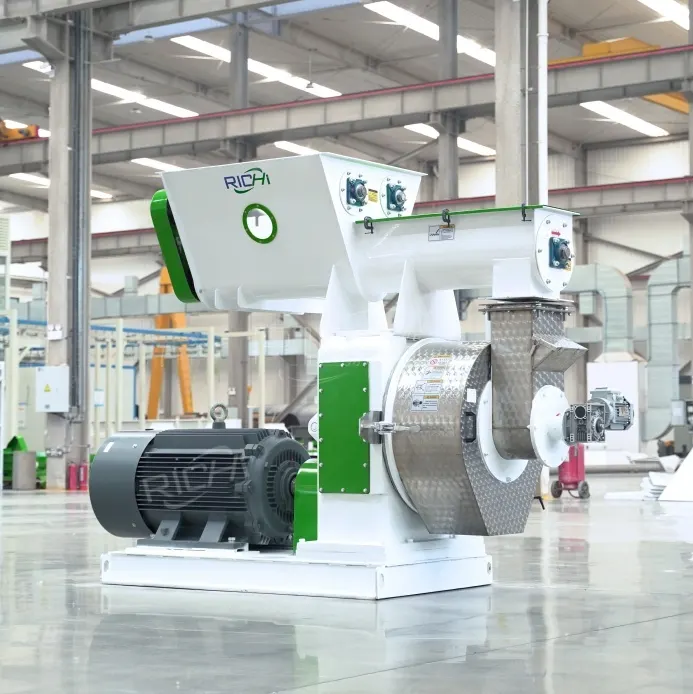
Corn Stalk Pellet Machine for Sale
Handling corn stalks has always been a practical challenge in agricultural areas. Traditional methods such as open burning in the field, direct incorporation into soil, or long-term piling can create various risks and also waste a useful resource. Instead, corn stalks can be collected and processed into biomass fuel pellets.
Corn stalks typically have a bulk density of only 110–130 kg/m³. The loose material takes up a lot of space and does not burn efficiently. A pellet machine can compress the loose stalks into pellets with a density of 800–1200 kg/m³. This not only improves their heating value but also makes storage and transportation easier.
RICHI’s corn stalk pellet machine can process more than corn stalks. It is also suitable for wheat straw, rice straw, rice husks, peanut shells, cotton stalks, and other agricultural wastes, producing pellets in sizes of 4–12 mm. These pellets are mainly used as biomass fuel, but can also be used for animal bedding, organic fertilizer, or animal feed depending on the formulation and project requirements.
If you are not sure how to start your own corn stalk pellet project, feel free to contact us for support. We provide turnkey service from solution design to equipment installation and operator training.
Capacity: 0.5-10 T/H
Power: 22-250 kW
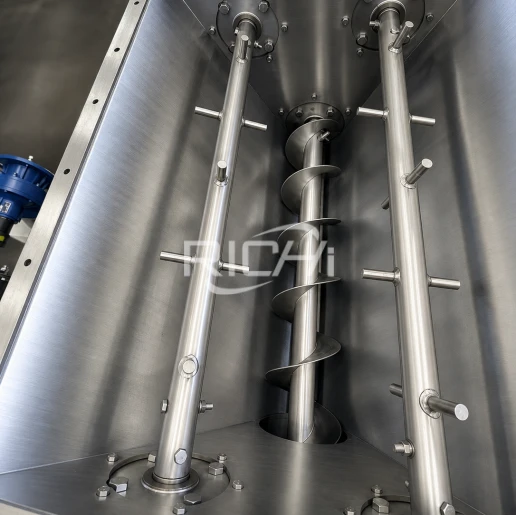
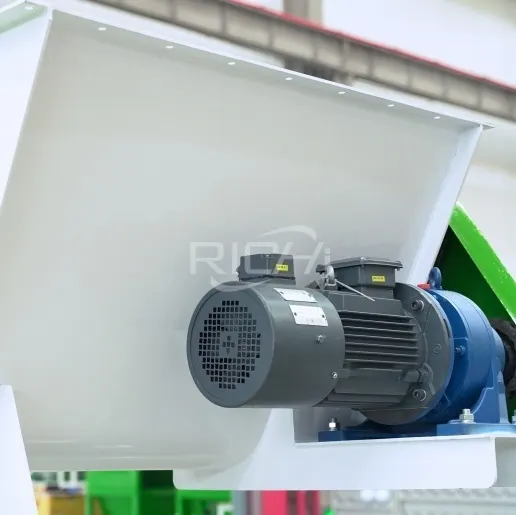
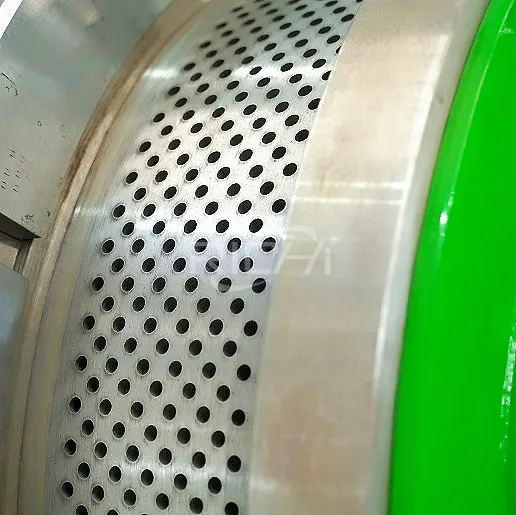
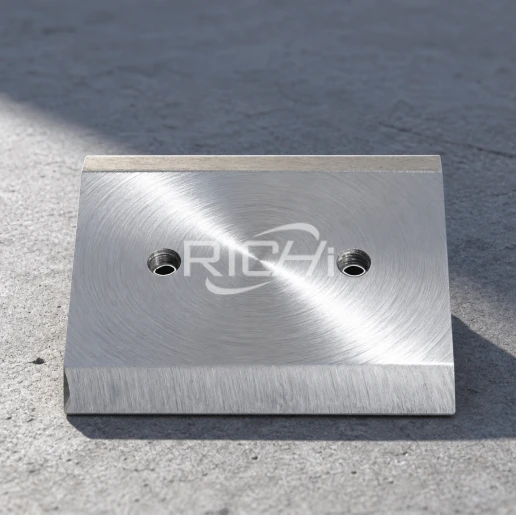
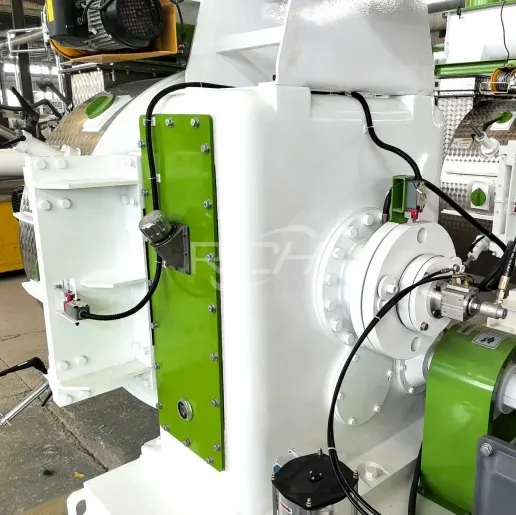
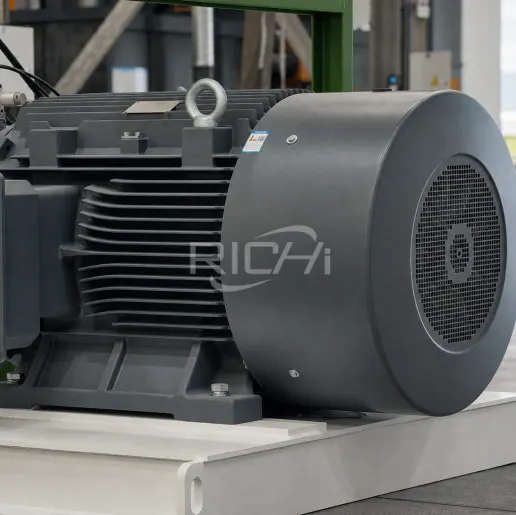
Structure and Key Features of the Corn Stalk Pellet Machine
Our corn stalk pellet mill is designed around the characteristics of corn stalks, with corresponding designs for feeding, pressing, cutting, and power transmission. This pelletizer has now been used in more than 140 countries and regions. We look forward to hearing from you.

Corn Stalk Pellet Machine Models and Parameters
We offer the following models for customers looking for a corn stalk pellet machine for sale. Each machine is also inspected before leaving the factory according to the relevant quality and certification requirements, and certifications such as CE, ISO, and SGS are provided.

| Model | Production Output (t/h) | Main motor power (kW) | Ring die diameter (mm) | Finished Pellets Diameter (mm) |
|---|---|---|---|---|
| CZLH320 | 0.5-0.6 | 22 | 320 | 4-12 |
| CZLH350 | 1.0-1.2 | 37 | 350 | 4-12 |
| CZLH420 | 1.8-2.0 | 90 | 420 | 4-12 |
| CZLH520 | 2.8-3.0 | 132 | 520 | 4-12 |
| CZLH678 | 4.0-5.0 | 200 | 673 | 4-12 |
| CZLH768 | 6.0-8.0 | 250 | 762 | 4-12 |
Note: The parameters of a corn stalk pellet machine can be affected by factors such as raw material type, moisture content, and pellet size. If you are selecting a specific model, feel free to contact RICHI engineers for the latest parameters and configuration recommendations.
How to Make Corn Stalk Pellets?
Corn stalks are one of the largest agricultural by-products produced worldwide. Turning this abundant, low-cost agricultural waste into standardized pellets for biomass energy, animal bedding, feed, and other uses can create new sources of income for farms and processing businesses. How does this conversion take place in a corn stalk pellet machine?
PREV
NEXT
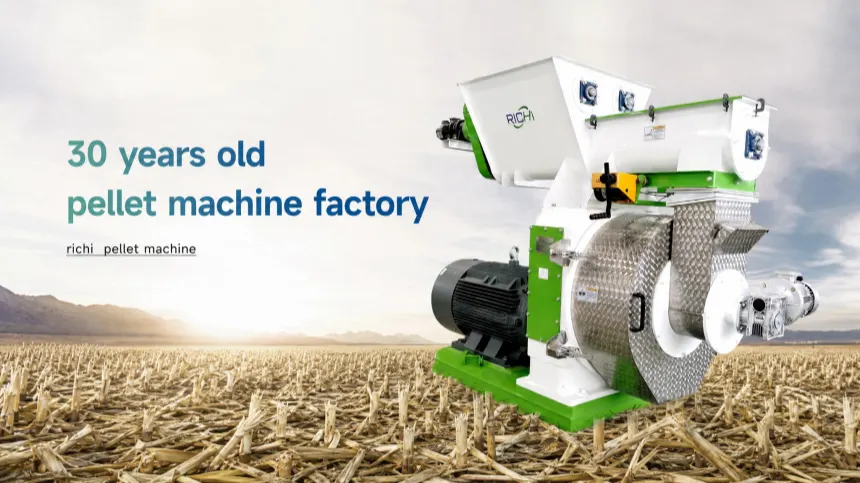

What Can You Make With a Corn Stalk Pellet Machine?
The corn stalk pellet making machine is becoming a practical way to handle agricultural residues. Depending on local raw material availability and market demand, you can choose different pellet processing applications.
Processing Different Raw Materials
Your raw material does not have to be limited to corn stalks. In addition to corn stalks, this pellet machine can process wheat straw, rice straw, rice husks, alfalfa, and other agricultural materials.
Different materials have different fiber structures and wear characteristics. Therefore, we use wear-resistant designs and heat treatment for key components such as the ring die and rollers, allowing the same corn stalk biomass pellet machine to better adapt to pelletizing different materials. For more information, see our pages on biomass pellet machine and straw pellet machine.
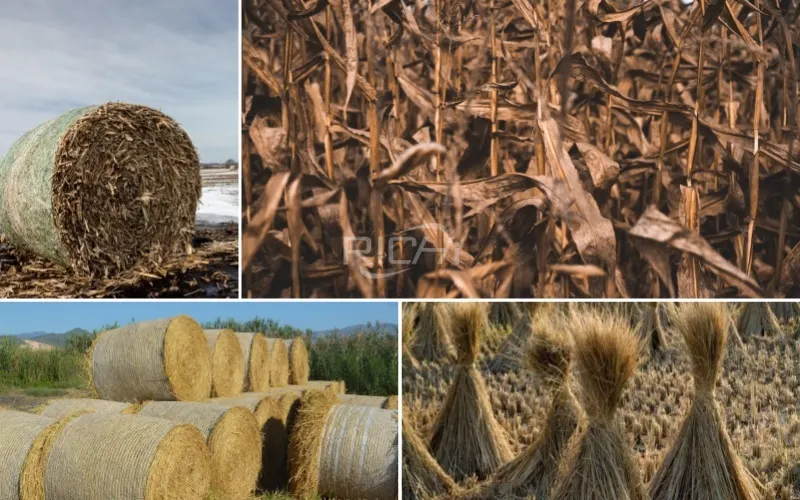
Stalk Materials
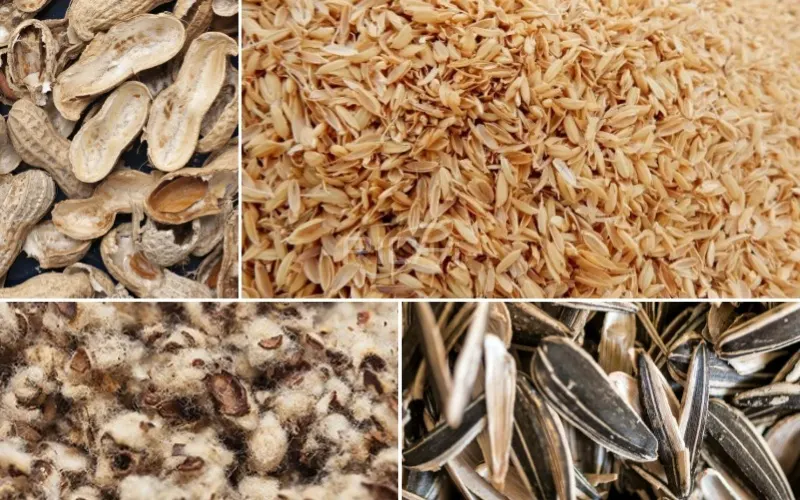
Husk Materials
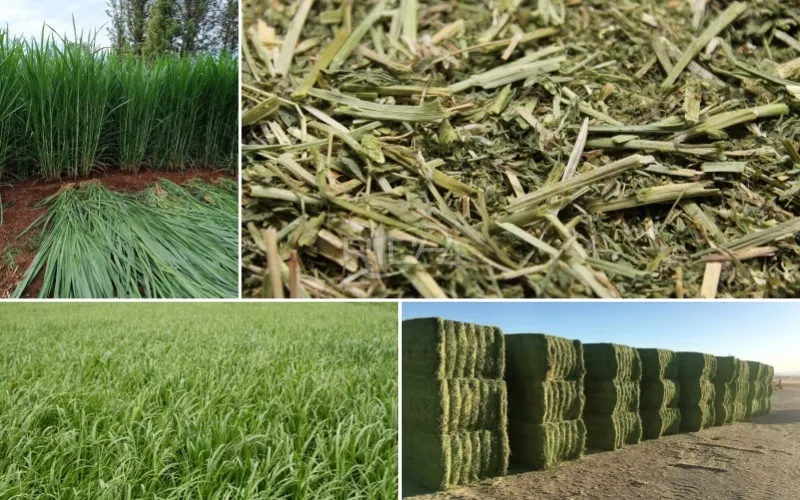
Grass Materials
Producing Different Types of Pellets
Depending on the final use, you can adjust the raw material formulation and select a suitable ring die and compression ratio according to different raw materials and product requirements.
Therefore, in addition to corn stalk fuel pellets, this equipment can also be used to produce animal bedding, organic fertilizer pellets, and roughage pellets for ruminants.
Please note that the corn stalk pellet machine doesn’t come with a steam conditioner. For feed production, corn stalks can be mixed with other roughage according to the formulation before pelletizing, making it more suitable for processing roughage for ruminants such as cattle and sheep.
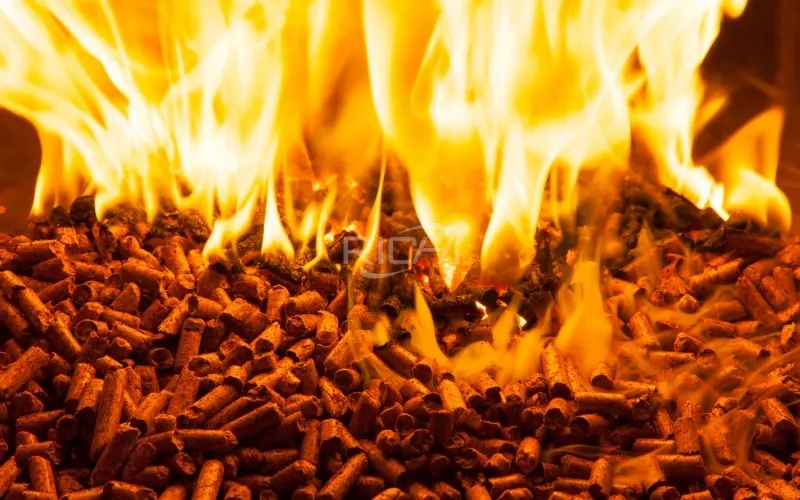
Biomass Fuel Pellet
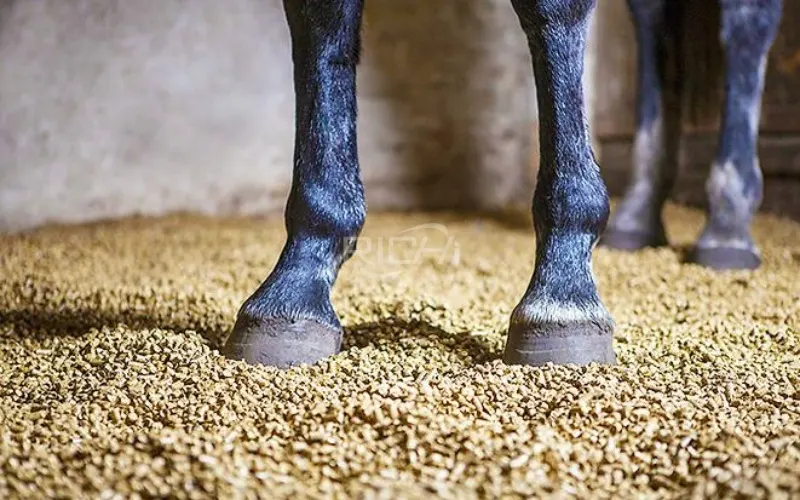
Animal Bedding
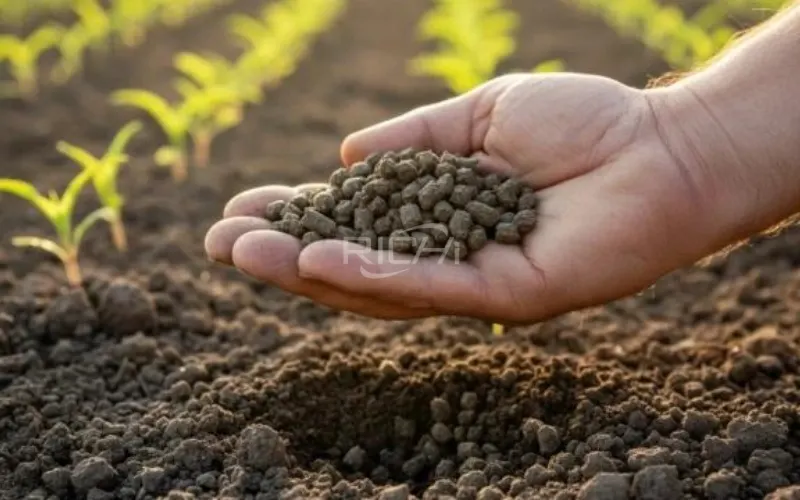
Organic Fertilizer Pellet
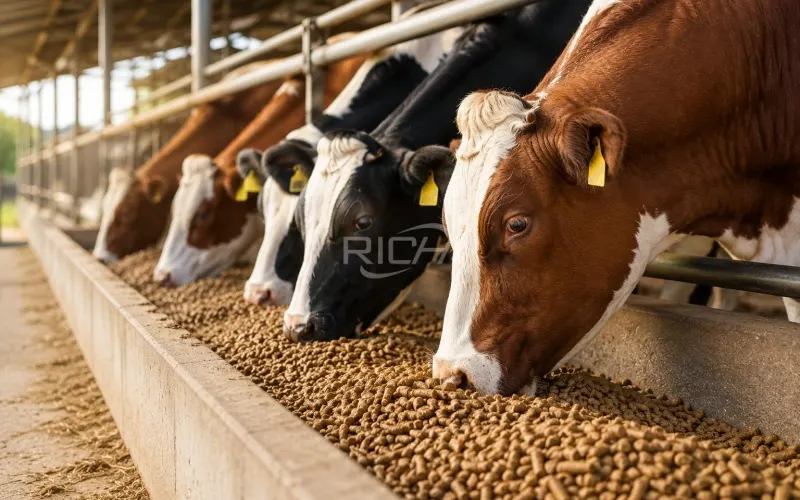
Ruminant Feed
Corn Stalk Pellet Machine Projects Around the World
If you are considering a corn stalk waste pellet machine, you can first look at several actual projects we have completed. They range from small family farms to industrial production lines with capacities of 8–10 t/h, giving you some projects to compare with your own needs.
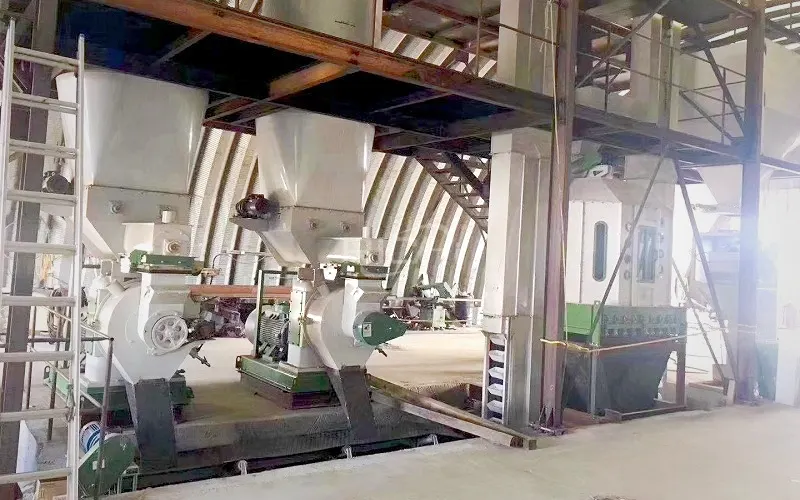
Corn Stalk Pellet Machine Project in the United States
Model: CZLH678 × 2
Capacity: 8–10 t/h
Raw materials: corn stalks, wheat straw, mixed agricultural residues
Pellet diameter: 6–8 mm
Application: industrial biomass fuel pellets
Solution: Two CZLH678 stalk pellet machines are installed in parallel with reinforced wear-resistant core components. The fully automatic production line is controlled by a PLC and is suitable for large-scale continuous production.
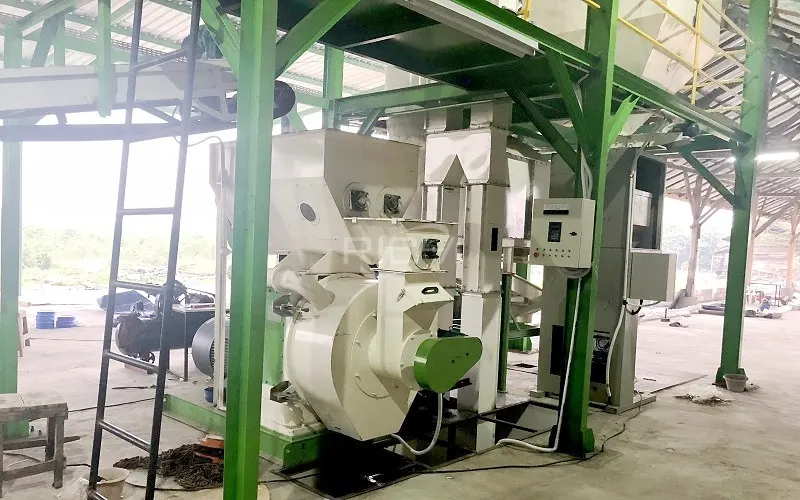
Industrial Corn Stalk Pellet Machine Project in India
We recommended the CZLH768 for a customer in Haryana, northern India. Due to dry winters and morning fog, we increased the rotary dryer size to stabilize moisture before pelletizing.
System configuration highlights:
CZLH768 model: Suitable for continuous pelletizing of fibrous stalk materials.
Variable-frequency forced feeding system: Feeds materials into the pelletizing chamber steadily.
250 kW Siemens motor: High efficiency and low energy consumption.
42CrMo alloy steel ring die: Suitable for processing fibrous stalk materials.
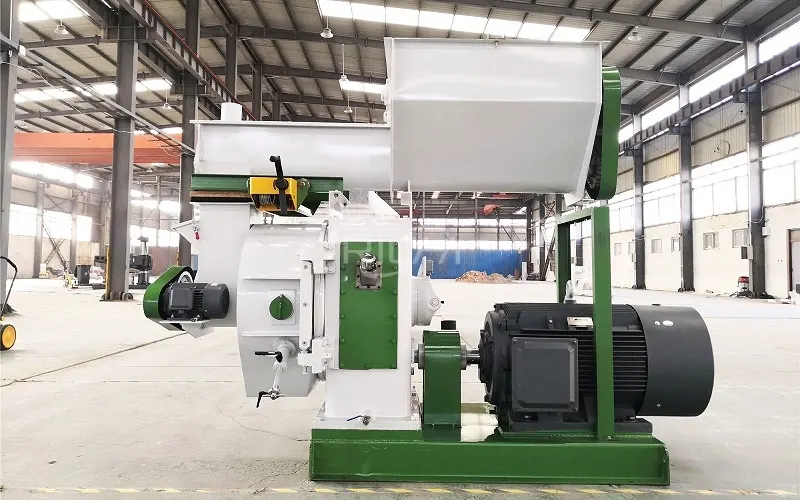
Commercial Corn Stalk Pellet Machine Project in Brazil
The customer operates a medium-sized agricultural residue processing business with abundant access to corn stalks. They planned to start with a single machine to produce biomass boiler fuel and animal bedding.
Model: CZLH420
Capacity: 2 t/h
Raw materials: baled corn stalks, loose stalks
Pellet diameter: 6–8 mm
Solution: A single CZLH420 machine was used for initial scale testing and market introduction.
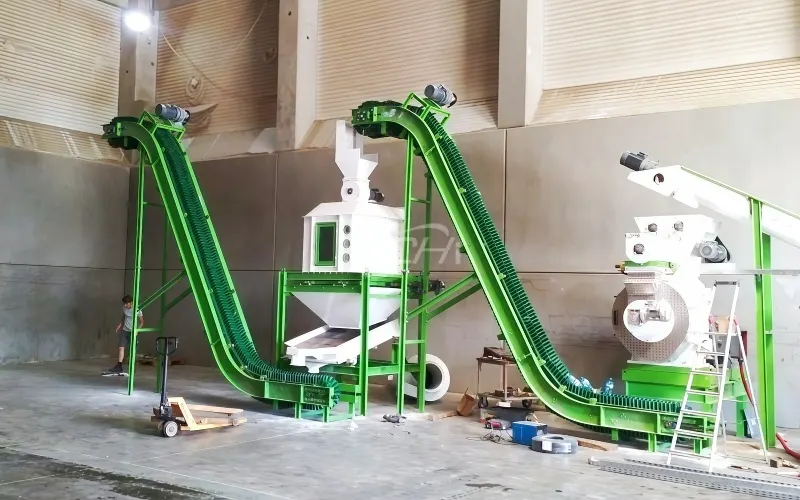
Small Corn Stalk Pellet Machine Project in Germany
A German farmer wanted to set up a small equipment system to compress stalks into pellets for heating his cattle barn in winter. The site was small, and the budget was limited.
We built a compact line with a straw crusher, corn stalk pelletizer, counterflow cooler, and vibrating screen. It produces 6 mm pellets for household heating and small- to medium-sized boilers.
The equipment has now been running for more than two years. The customer is very satisfied. He spends less on heating fuel in winter, and selling the extra pellets to neighbors helps recover part of the cost.
PREV
NEXT
Auxiliary Equipment for a Corn Stalk Pellet Production Line
In addition to the corn stalk pellet machine, we can configure suitable auxiliary equipment according to your raw material condition, capacity, and finished product requirements to form a complete corn stalk pellet production line.
Many customers who later upgrade their production lines also started their cooperation with us by purchasing a single machine.
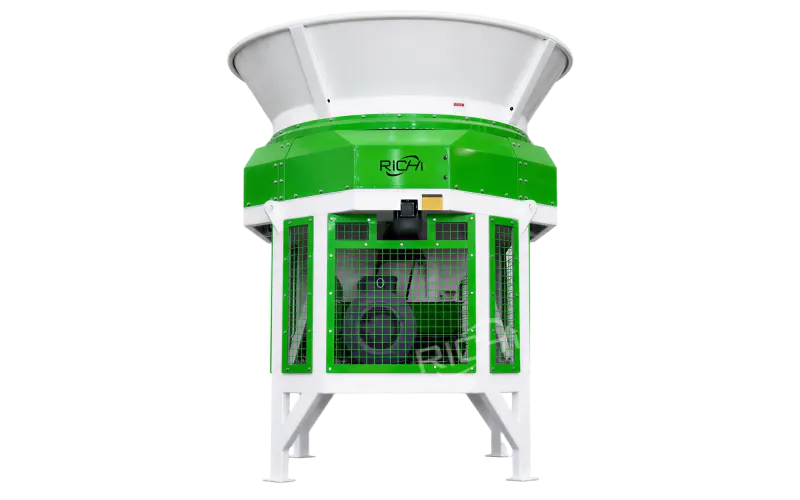
Bale Breaker
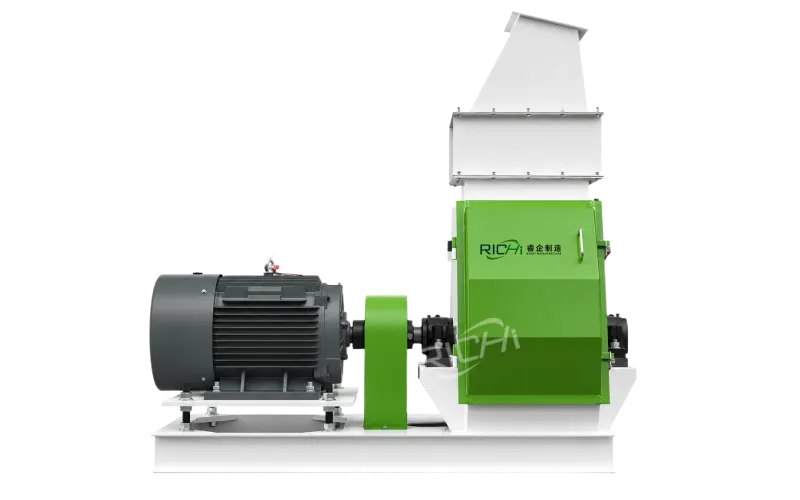
Hammer Mill
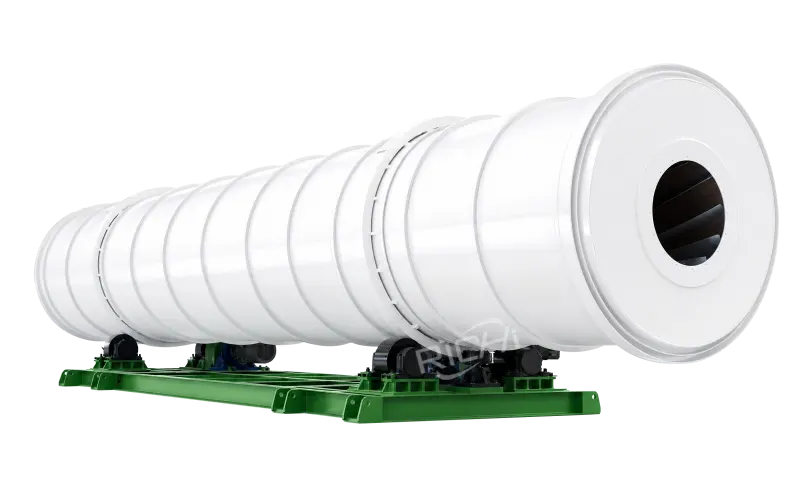
Biomass Rotary Dryer
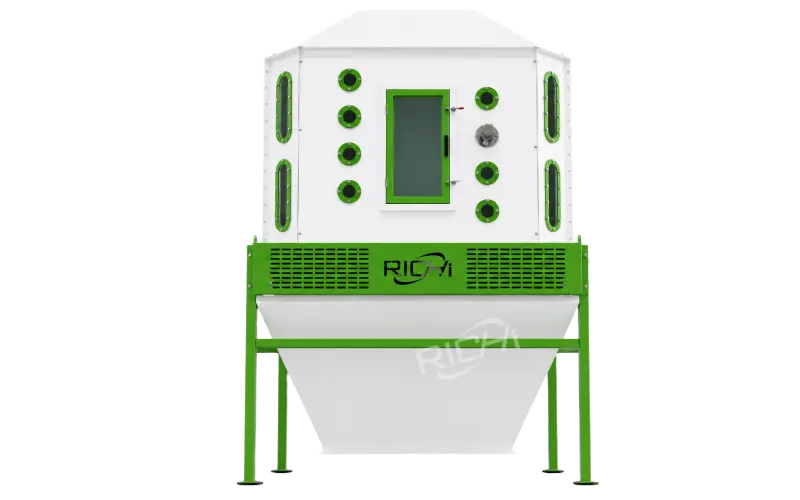
Counterflow Cooler
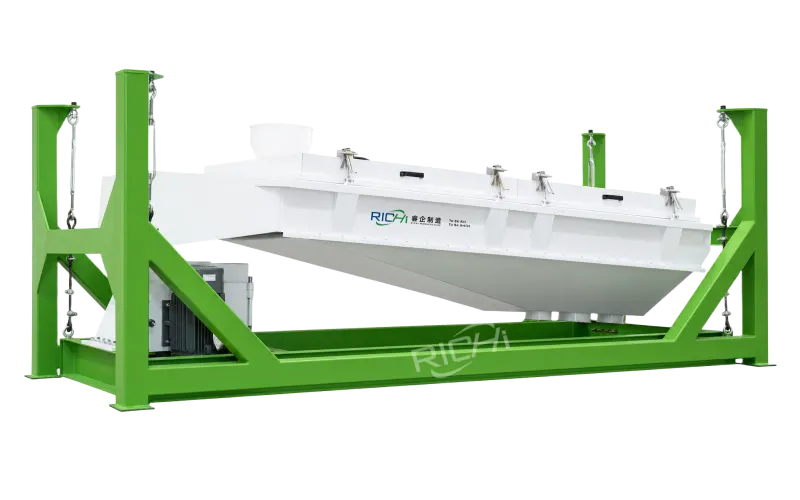
Gyratory Screener
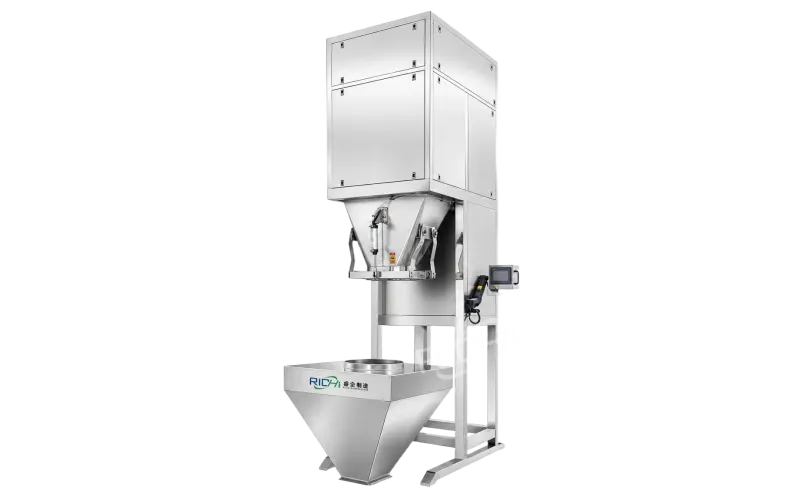
Packing Scale
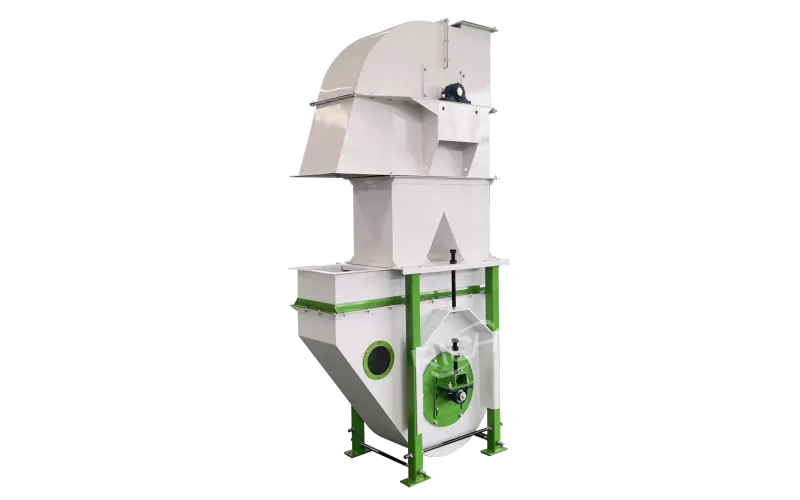
Conveying Equipment
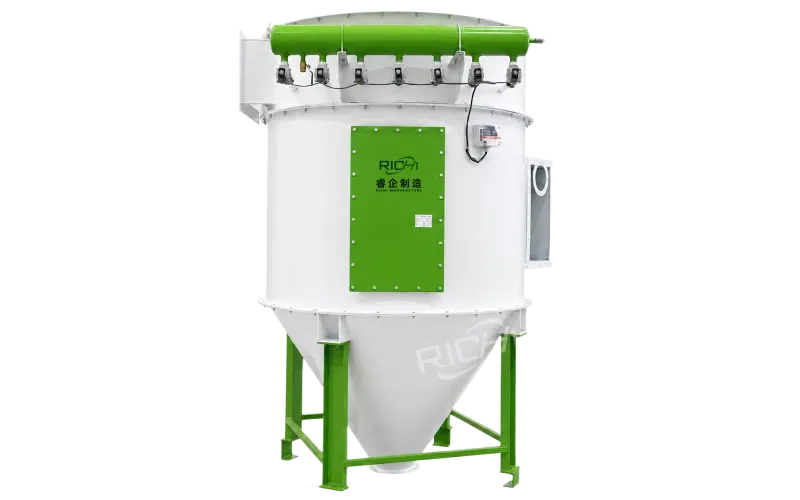
Pulse Dust Collector
FAQs About the Corn Stalk Pellet Machine
Below are some questions customers often encounter when purchasing and using this pellet machine. We hope they can help you understand the equipment better.
My corn stalks are baled. What processing is needed before they can enter the pellet machine?
→
Baled stalks cannot enter the pellet machine directly. They need to go through three steps: bale breaking and impurity removal, crushing, and moisture adjustment.
These steps bring the raw material into a condition suitable for pelletizing. You can refer to the How to Make Corn Stalk Pellets section above for a more detailed processing flow.
How is the pellet forming rate? Can I see the corn stalk pellet machine in operation?
→
When moisture and particle size are properly controlled, the forming rate of corn stalk pellets can usually reach more than 95%, while the proportion of chips and powder remains at a low level.
Of course. You are welcome to visit our new factory in Jiaozuo, Henan, China. We also support formulation testing. You can provide your own formulation, and we can conduct an actual test and record a video so you can see the pelletizing results directly.
In addition, we have many completed straw pellet machine projects. You can tell us about your project, and we can provide similar project references.
How often do the ring die and rollers need to be replaced? How can I get these spare parts?
→
The service life of the ring die and rollers is about 1,000 hours. The actual service life depends on the sand content of the raw material and the operating parameters of the equipment.
For spare parts, RICHI has long supplied ring dies, rollers, and other core components for the same models, and we also support customized ring die specifications.
You can purchase an additional set of core spare parts and have them shipped with the machine. Alternatively, when the ring die approaches the end of its service life, you can purchase spare parts from our overseas warehouses.
How much does a corn stalk pellet machine cost?
→
The price of a corn stalk pellet mill for sale is usually between US$10,000 and US$80,000. The actual price depends on factors such as machine configuration, capacity, and level of automation.
When requesting a quotation, it is recommended to provide the raw material form, target capacity, and finished product application directly. This allows our sales team to provide a more useful configuration and quotation.
How are installation, commissioning, and training handled?
→
We provide on-site installation and commissioning services, along with operation training from our professional engineering team. The training covers equipment operation, parameter adjustment, routine maintenance, and common fault troubleshooting.
What after-sales services do you provide?
→
We provide a one-year warranty for the complete machine. After the warranty period, we only charge for spare parts when handling repairs.
Our regular after-sales services also include installation and commissioning guidance, operator training, wear-part supply, remote technical support, regular follow-ups, and on-site maintenance. We can also confirm the specific after-sales service details in writing in the purchase contract.

