
Cotton Stalk Pellet Machine

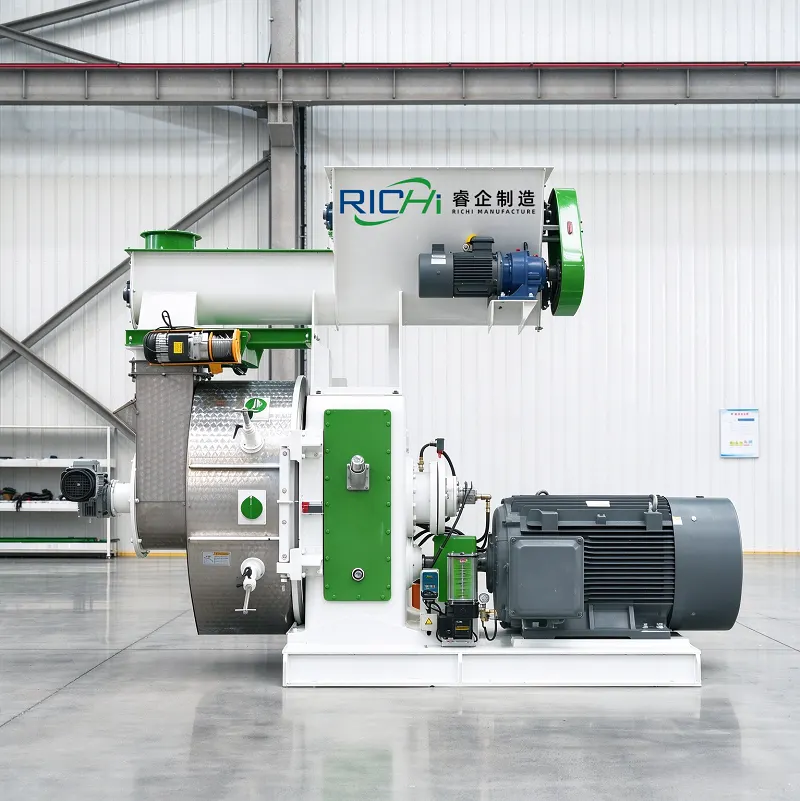
What Is a Cotton Stalk Pellet Machine
Cotton harvest leaves behind large amounts of cotton stalks. These stalks are rich in plant fiber and, after proper processing, can be turned into pellet products with economic value.
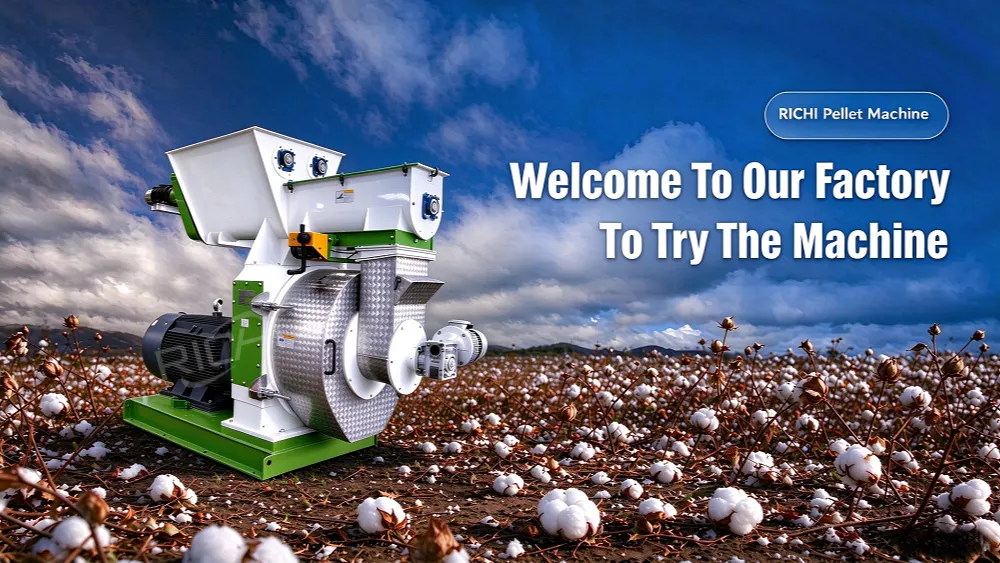
RICHI cotton stalk pellet machine is a heavy-duty ring die biomass pellet machine designed for high-fiber materials such as cotton stalks. It is also compatible with rice straw, wheat straw, corn straw, and other crop straws. The machine is mainly used by biomass energy companies, fuel plants, livestock farms, feed mills, and similar operations.
Capacity: 0.2-40 T/H
Pellet Size: 2-12 mm
How Do You Plan to Process Cotton Stalks?
There is more than one outlet for cotton stalks. They can be made into fuel pellets and roughage pellets, with cat litter and organic fertilizer pellets as further options. Fuel and feed have different requirements for raw material processing and equipment configuration, corresponding to the two models below.
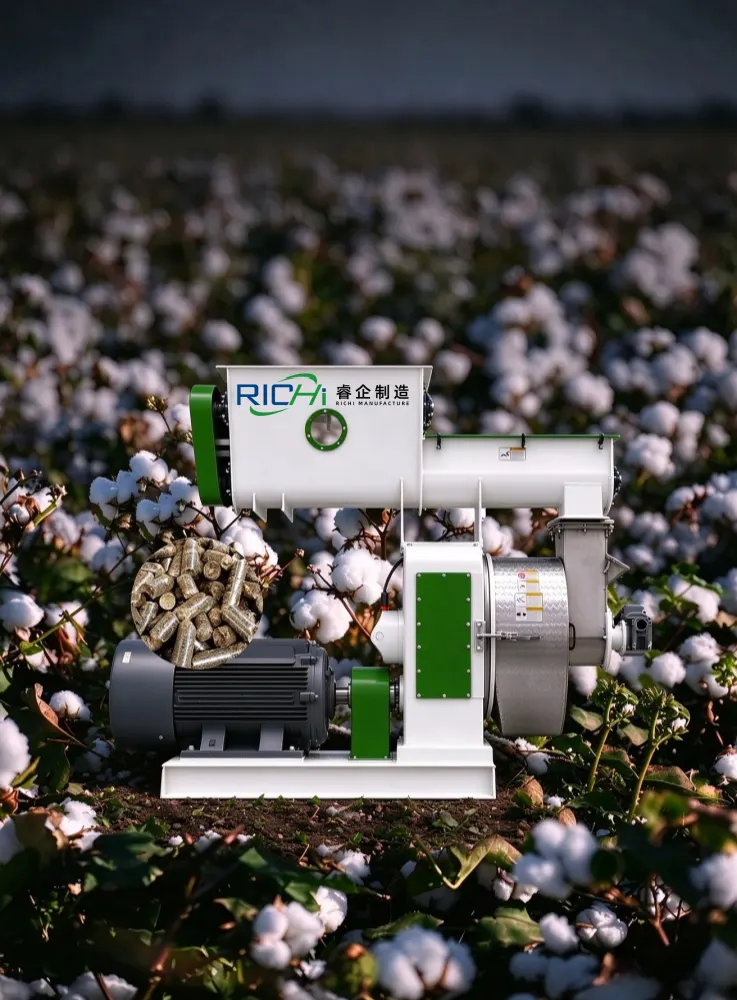
Cotton Stalk Biomass Pellet Machine
Cotton stalks have excellent potential as a fuel feedstock, boasting high calorific value and low ash content. And fuel cotton stalk pellet machines are not picky about raw materials, primarily relying on ring die roller extrusion and frictional heat generation for bonding. This equipment is designed for biomass fuel plants, boiler heating, and other similar applications, supporting continuous production.

01.
Heavy-duty wear-resistant ring die
02.
Compression ratio customized to cotton stalk density
03.
Anti-bridging feed design
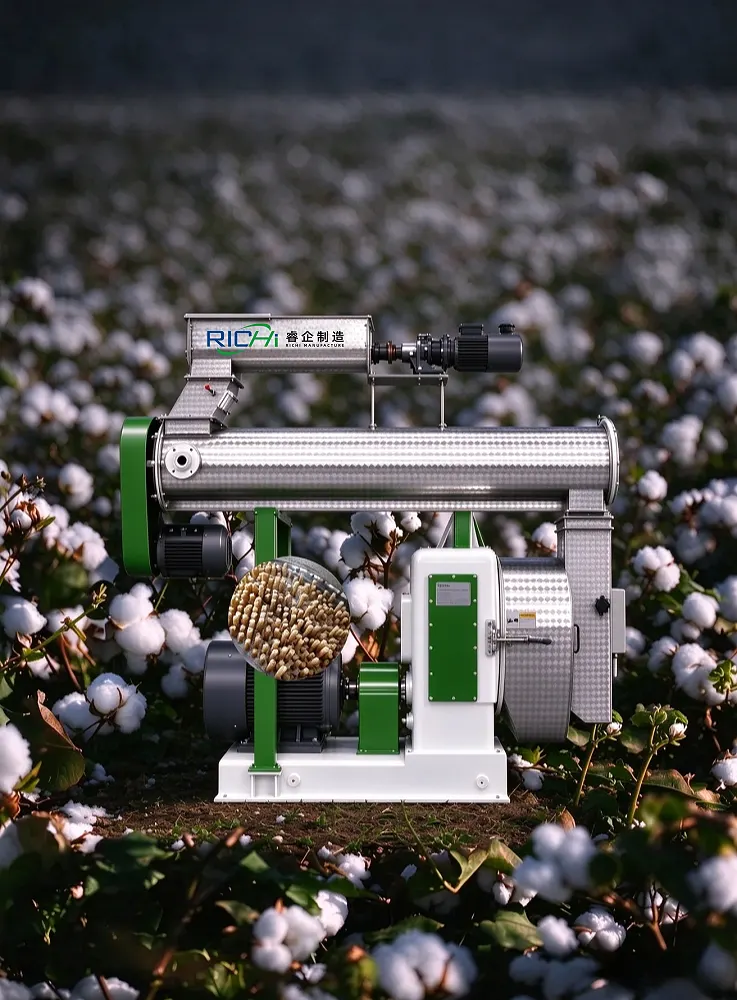
Cotton Stalk Feed Pellet Machine
The feed cotton stalk pellet machine is equipped with a conditioner that can fully cook and sterilize cotton stalks, corn, and soybeans, making it suitable for farm use or small-scale feed processing. It is important to note that the raw material for cotton stalk feed pellets is mainly the fine stems and leaves of cotton stalks; the coarse parts of the cotton stalks are not suitable for direct pelleting.
01.
Lengthened and thickened stainless steel conditioner
02.
Ring die adapted to light materials such as fine stems and leaves
03.
Customized design for the whole machine
Models and Technical Parameters
The RICHI cotton stalk pellet machine has a capacity of 0.2–40 t/h and can process cotton stalks and various crop straws, with pellet diameters of 2–12 mm. Below are the prices and models of the two machines for fuel and feed applications.
Biomass Cotton Stalk Pellet Machine
| Machine Model | MZLH 320 | MZLH 350 | MZLH 420 | MZLH 520 | MZLH 678 | MZLH 768 |
|---|---|---|---|---|---|---|
| Main motor Power (kW) | 22 | 37 | 90 | 132 | 200 | 250 |
| Anti-arching Feeder Power (kW) | 2.2 | 2.2 | 3 | 3 | 3 | 4 |
| Forced Feeder Power (kW) | 0.75 | 0.75 | 1.5 | 1.5 | 1.5 | 1.5 |
| Ring Die Inner Diameter (mm) | 320 | 350 | 420 | 520 | 673 | 762 |
| Pellet Diameter (mm) | 4-12 | 4-12 | 4-12 | 4-12 | 4-12 | 4-12 |
| Output (T/H) | 0.2-0.3 | 0.3-0.5 | 1.0-1.2 | 1.5-2.0 | 2.5-3.0 | 3.0-4.0 |
Cotton Stalk Feed Pellet Machine
| Machine Model | Main motor Power (kW) | Modulator Power (kW) | Ring Die Size (mm) | Pellet Size (mm) | Capacity (T/H) |
|---|---|---|---|---|---|
| SZLH250 | 22 | 1.5 | 250 | 2-12 | 1.0-1.5 |
| SZLH320 | 37 | 4 | 320 | 2-12 | 3-4 |
| SZLH350 | 55 | 4 | 350 | 2-12 | 5-6 |
| SZLH420 | 100 | 7.5 | 420 | 2-12 | 10-12 |
| SZLH508 | 160 | 7.5 | 508 | 2-12 | 15-16 |
| SZLH558 | 185 | 11 | 558 | 2-12 | 20-22 |
| SZLH678 | 250 | 11 | 673 | 2-12 | 30-33 |
| SZLH768 | 315 | 11 | 762 | 2-12 | 38-40 |
| SLZH858 | 355 | 15 | 858 | 2-12 | 40-45 |
Note: The capacities in the table are for reference. Actual output is affected by raw material moisture content, crushing particle size, and operating level.
Key Technical Structures of Cotton Stalk Pellet Machine
Cotton stalks contain relatively tough plant fibers that can affect feeding, compression, and pellet formation. We have made several practical design changes to the cotton stalk pellet mill so it can adapt to processing fibrous raw materials.

Focus on Wear Resistance
Core parts that wear easily, such as the ring die and press rollers, are made of high-wear-resistant alloy. The ring die undergoes deep carburizing and quenching, with a carburized layer depth of up to 2.0–2.5 mm. This is far deeper than the 0.5–1.5 mm of ordinary carburizing, giving a clear improvement in surface hardness and service life.
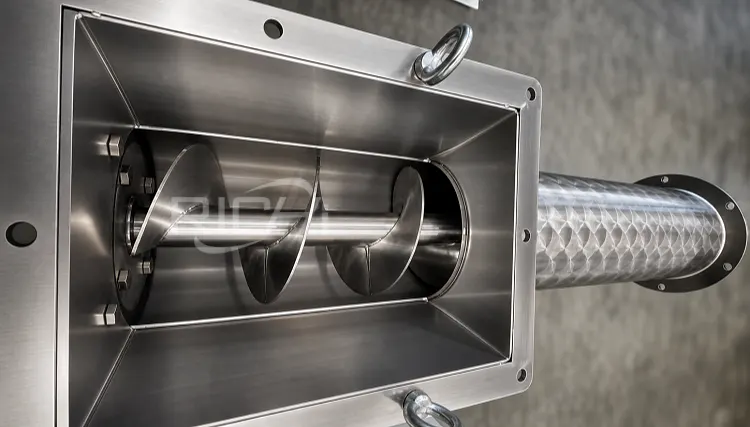
Stable and Adjustable Feeding
Cotton stalk fiber is usually light and fluffy. We installed an anti-bridging device at the feed inlet, together with a variable-frequency feed motor and a forced feeder, to ensure that material reaches the pelletizing chamber steadily and evenly after entering the cotton stalk pellet machine.
Efficient and Energy-Saving Transmission
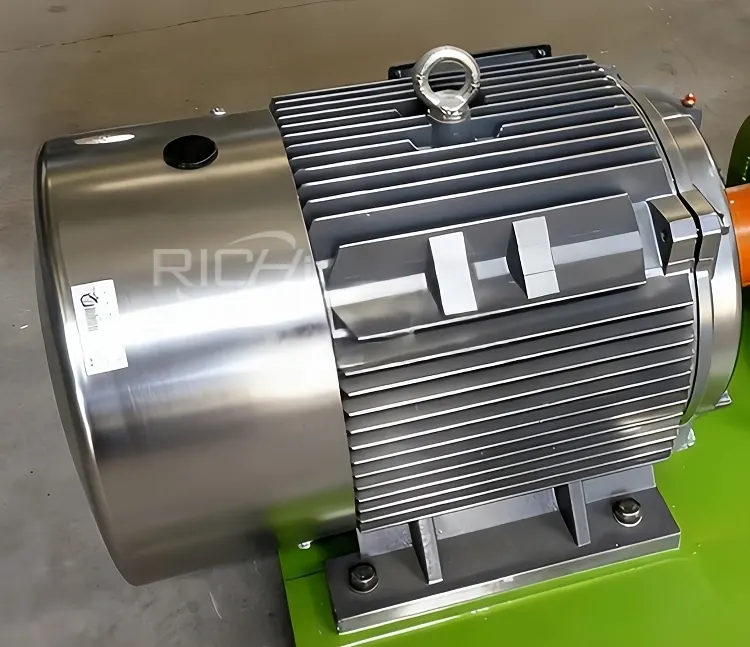
While other pellet machines still use belt drives, we have upgraded to a gear transmission box, increasing transmission efficiency by about 15%. Paired with a high-efficiency, low-energy-consumption Siemens motor, the machine pelletizes quickly and steadily, and your electricity bill will drop noticeably.
Easy-to-Clean Design
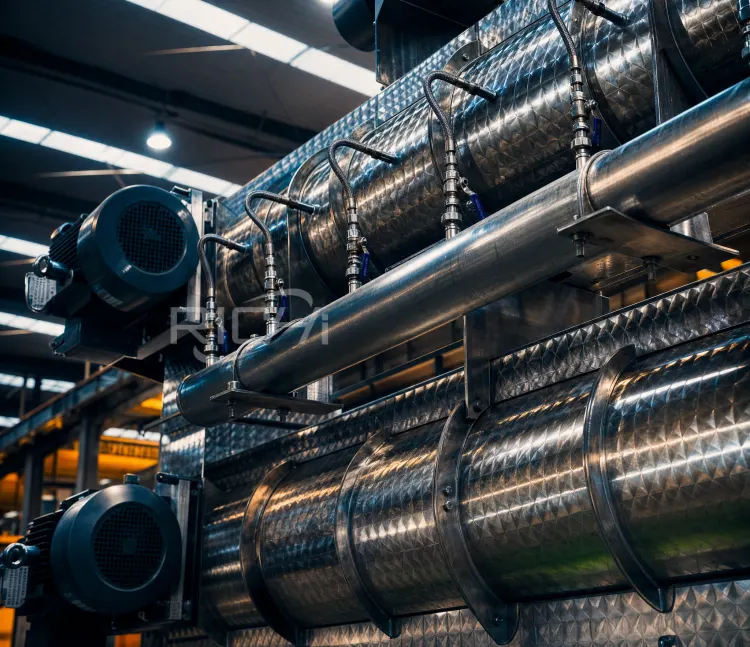
The feed auger, conditioner, and main door cover are made of stainless steel. These smooth surfaces make it easy to clean residual material, which is especially suitable for fibrous raw materials like cotton stalks that tend to accumulate, helping keep the pellets clean and hygienic.
Multiple Safety Protections
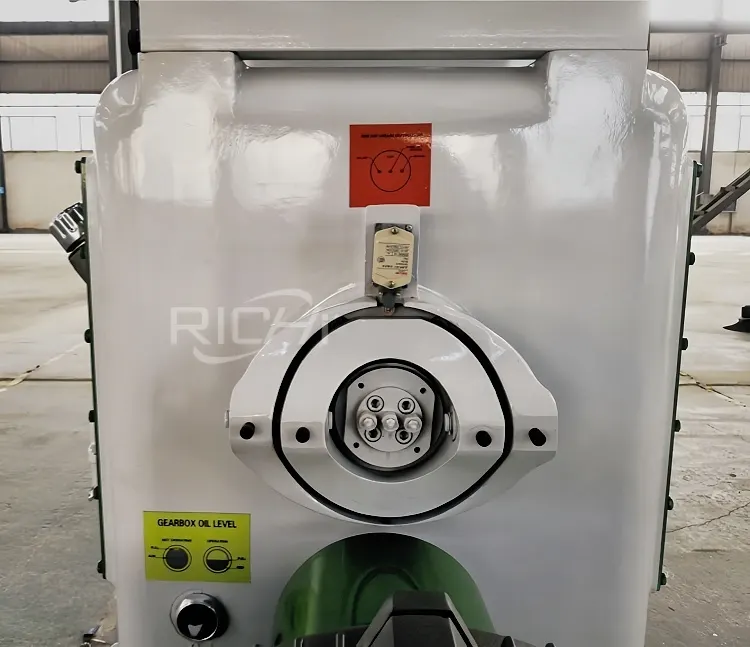
The cotton stalk pellet machine is equipped with an overload protection device that responds automatically when the load is abnormal, protecting the main motor. There is also a safety interlock device on the side of the transmission box that automatically shears off when an abnormality occurs during production, protecting the ring die.
How Do Cotton Stalks Become Pellets?
Cotton stalk fuel pellets and feed pellets share the same extrusion principle using the ring die and press rollers, but there are some differences in how the material is treated before it enters the ring die. With the videos below, you can compare your own raw material situation and decide which type of cotton stalk pellet machine is more suitable.
Watch Cotton Stalk Fuel Pellet Machine Video
Feeding – Extrusion – Cutting – Discharging

During extrusion, the treated whole cotton stalks heat up to around 80 °C under extrusion and friction. Lignin softens and binds the material, which is pressed into the ring die holes and then cut into pellets. Note that the compression ratio must match the raw material density; if it is insufficient, the pellets will be loose and fail to form.
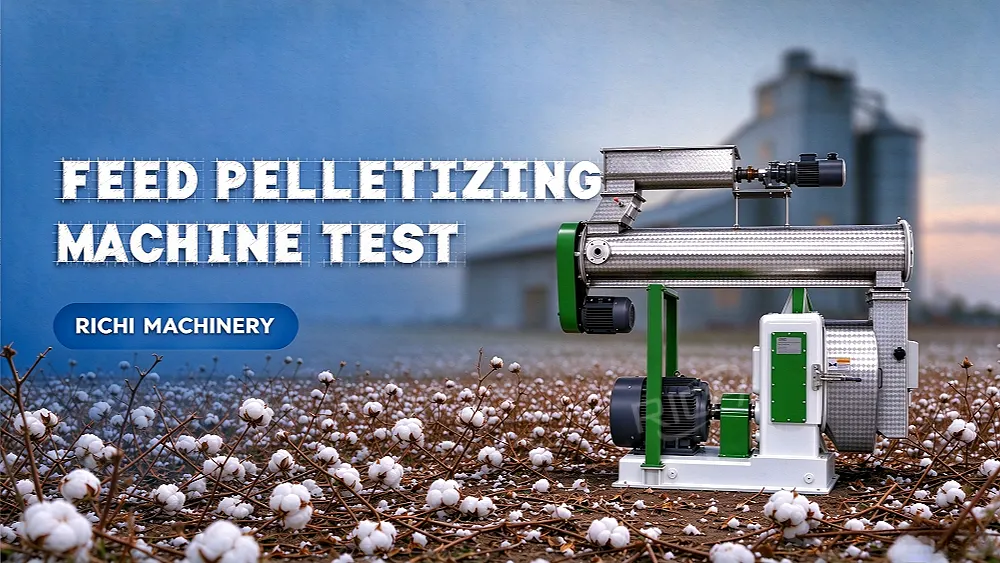
Watch Feed Cotton Stalk Pellet Machine Video
Feeding – Conditioning – Extrusion – Cutting – Discharging
Conditioning is key to feed pelletizing. Steam at 80–90 °C acts for 20 seconds to 2 minutes, gelatinizing starch in the fine cotton stalk stems and leaves and softening the fiber. This increases the material’s binding property, kills some pathogens, and improves palatability.
How to Start a Cotton Stalk Pelletizing Project?
We have put together a simple project start-up checklist to help you sort out what needs to be prepared before starting a cotton stalk pellet machine project. If you still have questions about project planning or equipment selection, you can also contact RICHI pellet machine experts for free support.
01.
Where Does Your Cotton Stalk Raw Material Come From?
Own farm
Nearby farmers
Commercial purchase
Multiple channels
02.
How Do You Plan to Collect Cotton Stalks?
Centralized collection after harvest
Collection in batches
Year-round purchase as a supplement
Not yet planned
03.
Do You Have Suitable Production and Storage Space?
Existing workshop
Plan to build new
Not yet determined
04.
What Type of Cotton Stalk Pellets Do You Plan to Produce?
Fuel pellets
Feed pellets
Cat litter pellets
Organic fertilizer pellets
Other products (bedding, etc.)
05.
What Capacity Do You Plan to Achieve?
Small-scale production
Medium-scale production
Large-scale production
Not yet determined
Raw Material
Estimate the amount of cotton stalks after cotton harvest to determine the project’s feed supply capacity. Do not count all cotton stalks in the field as usable raw material; also consider collection loss, transportation loss, and pretreatment loss.
Site
Both raw materials and finished pellets need suitable storage space. When planning the storage area, consider how raw materials are stacked, space for material in and out, and floor dampness. A new plant also needs enough space reserved for equipment installation and operation.
Requirements
Determine your production goals. Cotton stalk fuel pellets and cotton stalk feed differ greatly in formula and process conditions. Specific pellet diameter, fuel use requirements, or feed nutritional indicators all need to be determined in advance.
Configuration
Plan the model and configuration of the cotton stalk pellet machine according to the pellet type, raw material supply, target output, and annual operating hours. If you plan long-term continuous production, you also need to consider pre-pelletizing treatment and subsequent processes.
Global Cotton Stalk Pellet Machine Projects
RICHI provides solutions ranging from single machines to complete production lines. We have designed projects for different capacity needs, including small farms, pellet processing plants, and large industrial production lines. RICHI straw pellet machines are currently running day and night in more than 140 countries and regions around the world.
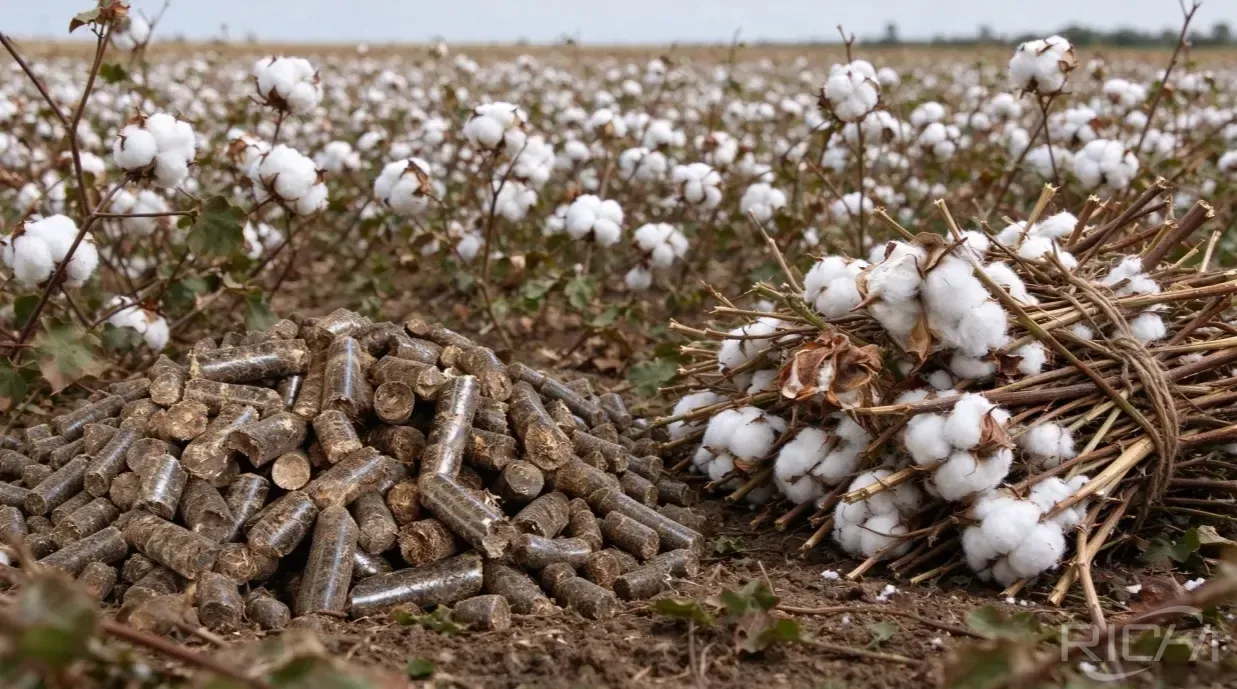
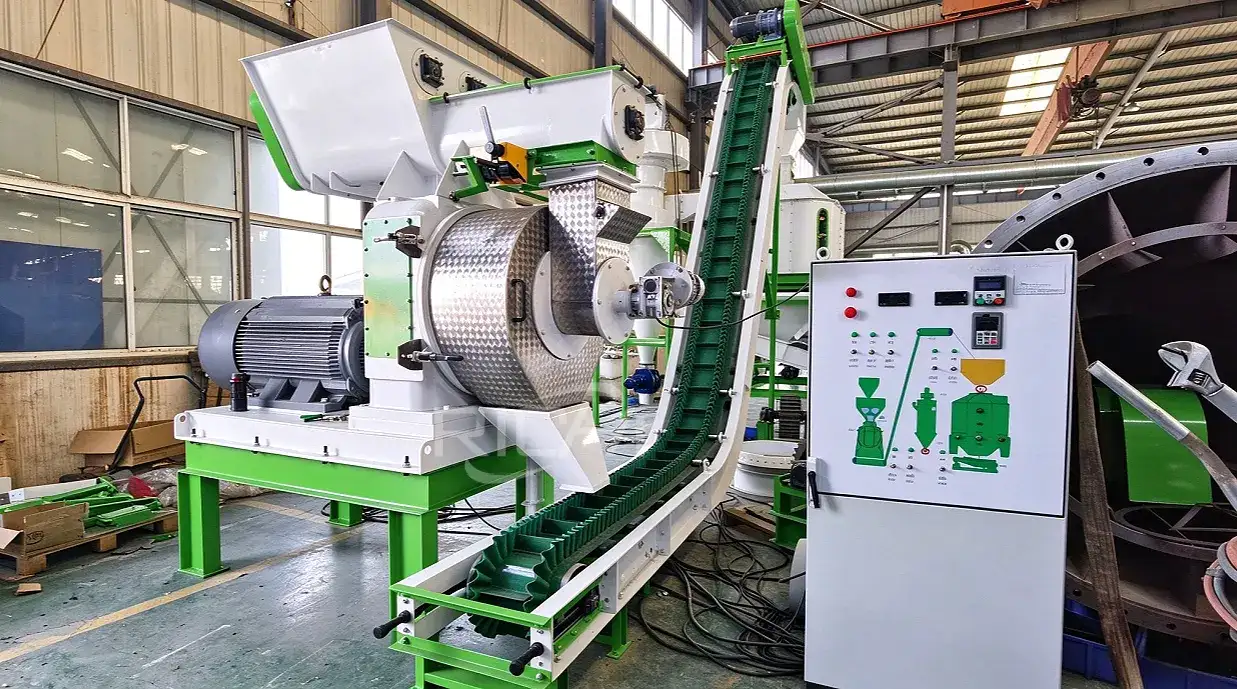
Cotton Stalk Fuel Pellet Project in Brazil
Raw Materials :
Whole cotton stalks. The project produces biomass fuel pellets with a diameter of 8 mm for industrial boiler fuel and biomass power generation, replacing part of the wood pellet supply.
Project Solution :
While keeping the customer’s existing crushing and drying equipment, we integrated an MZLH420 cotton stalk pellet machine, adding an iron removal device, an arch-breaking device, forced feeding, and a variable-frequency feed motor. Capacity: 1 t/h.
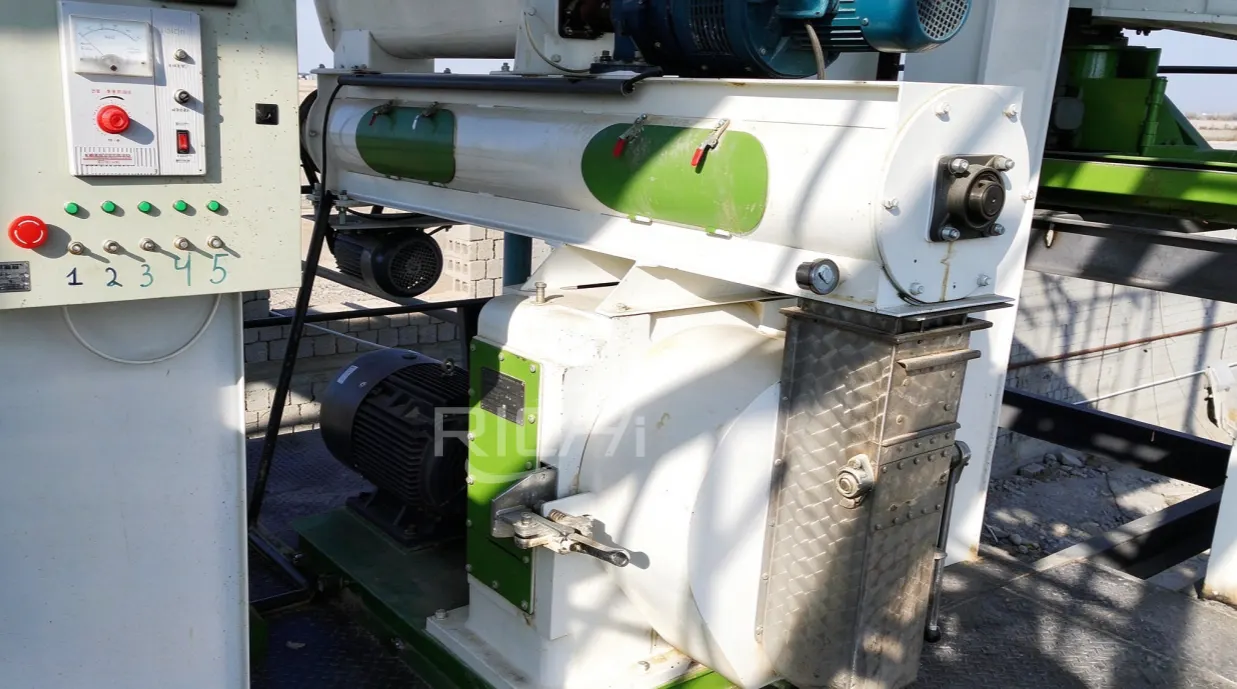
Cotton Stalk Feed Pellet Machine Project in Uzbekistan
Raw Materials :
Fine cotton stalk stems and leaves, mixed with corn and wheat bran, crushed and then conditioned and pelletized. The project produces mixed feed for cattle and sheep, with a pellet diameter of 4–6 mm.
Project Solution :
We configured the smallest model, the SZLH250 pellet machine, with a single-layer conditioner. Capacity: 0.8–1.2 t/h. The site size is about 6 × 5 × 5.5 m. The machine is easy to operate and economical, making it suitable for farms starting self-made feed with a low entry threshold and recycling waste agricultural resources.
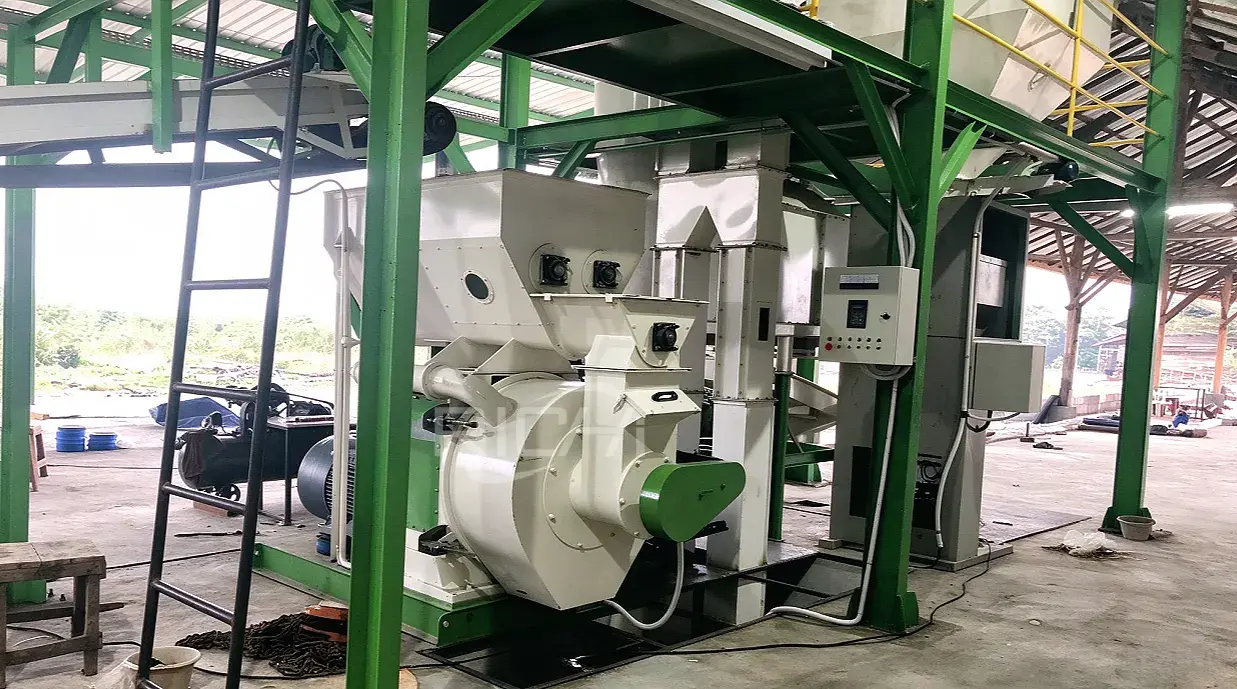
Cotton Stalk Pellet Machine Project in the USA
Raw Materials :
A mix of cotton stalks and corn straw (from the farm’s own cotton fields and nearby corn fields). The project produces 8 mm fuel pellets for the farm’s winter heating boiler.
Project Solution :
An MZLH520 machine. The ring die material was selected for the high corrosiveness of cotton stalks, and the feeding system was equipped with an iron removal device to intercept foreign matter in the cotton stalks. After adjusting parameters such as compression ratio and formula ratio, the machine supports one-button start and can be easily operated by one person.
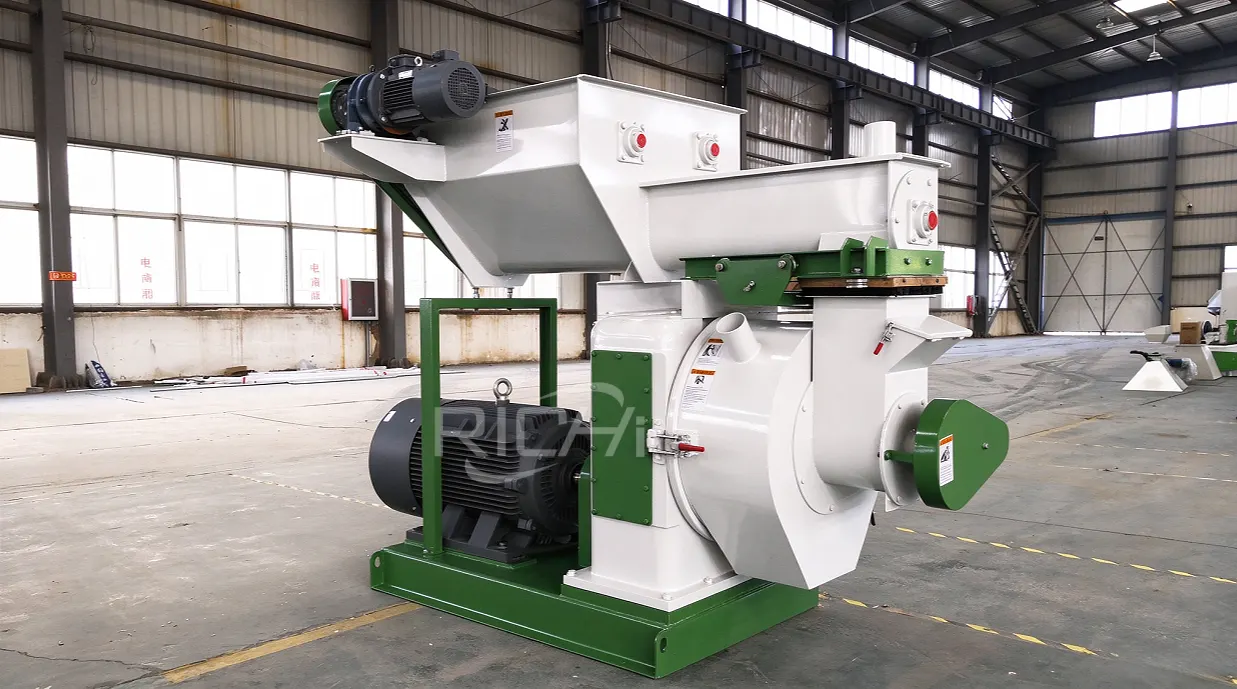
Small Cotton Stalk Pellet Making Machine Project in Mali
Raw Materials :
Cotton stalks sun-dried in the open air to a moisture content below 15%, used to make biomass fuel with a size of 10 mm.
Project Solution :
MZLH350, capacity 0.3–0.5 t/h. It is equipped with a Siemens motor to handle unstable local power grids. Key wear parts (ring die, press rollers, safety pins) were stocked in one order together with the equipment. The quick-release clamp-type ring die allows one person to replace it, reducing downtime.
Cotton Stalk Pellet Production Lines for Fuel and Feed
The cotton stalk pellet machine is the core equipment for cotton stalk pelletizing. Some customers later come to us to upgrade to a cotton stalk production line when they expand production. We have designed two types of production lines—biomass fuel and feed—based on the use of the cotton stalk pellets.
Cotton Stalk Biomass Fuel Production Line
Process Flow: cleaning – crushing – drying – pelletizing – cooling – screening – packaging
Raw Materials: cotton stalks, which can be mixed with other biomass materials
Pelletizing Considerations: raw material moisture content, pellet size, compression ratio, and fuel use requirements
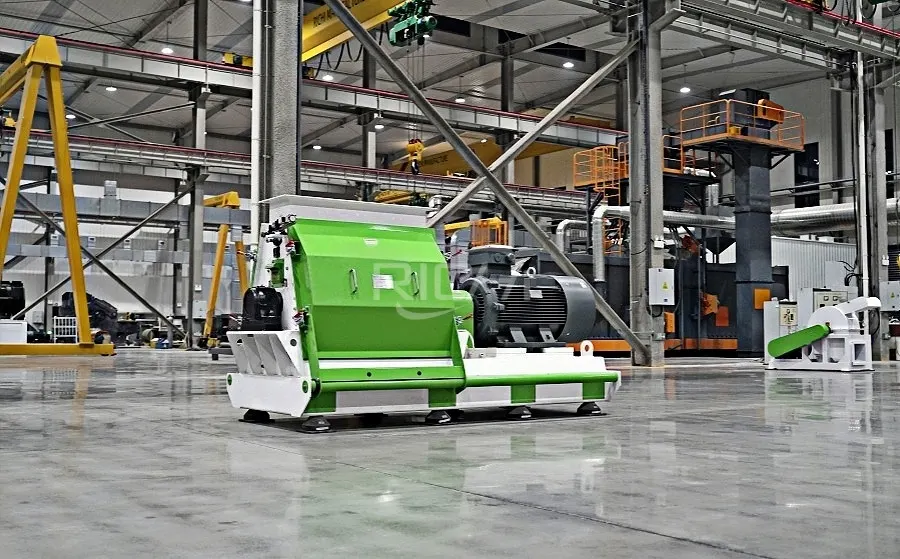
Cotton Stalk Crusher
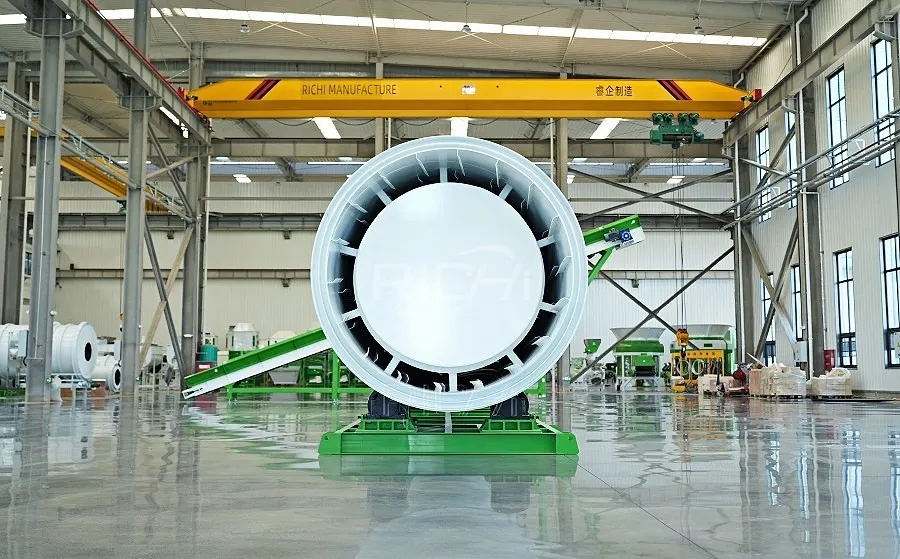
Cotton Stalk Dryer
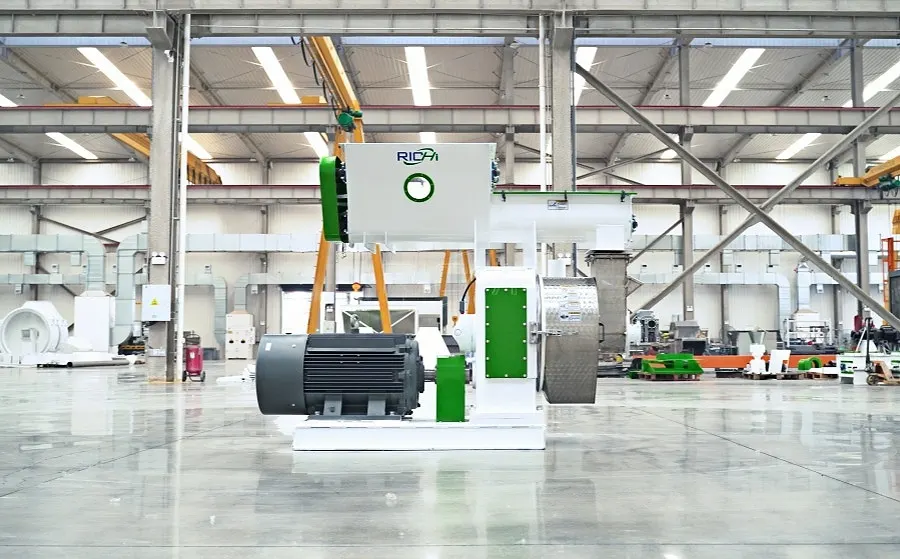
Cotton Stalk Pellet Machine
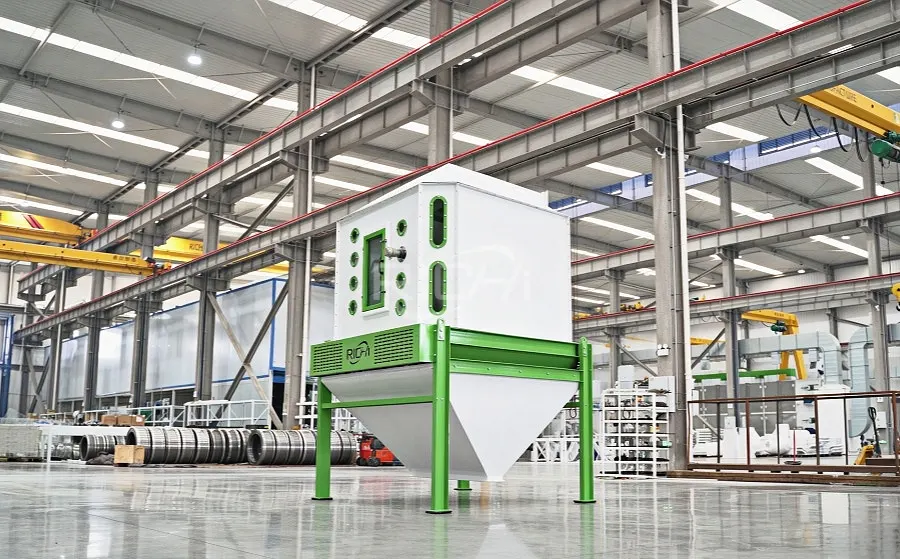
Cotton Stalk Pellet Cooler
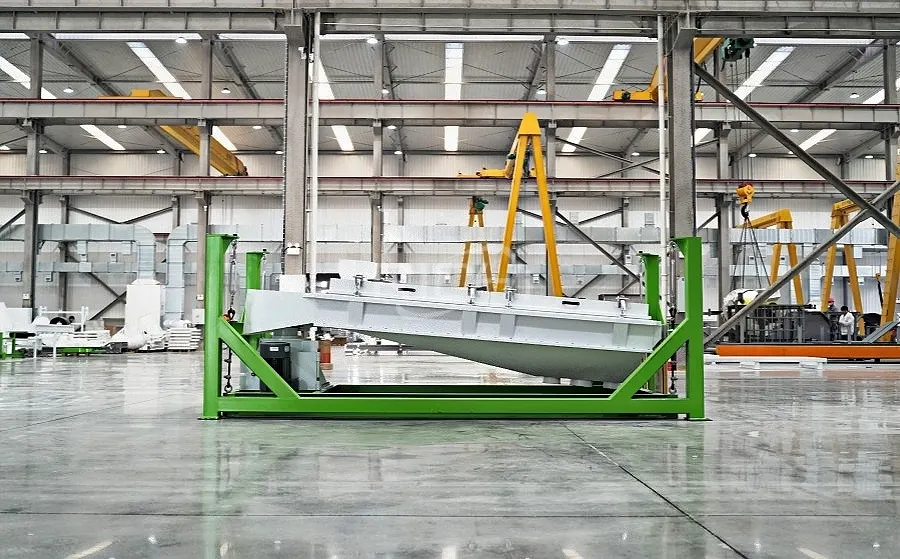
Cotton Stalk Pellet Screener
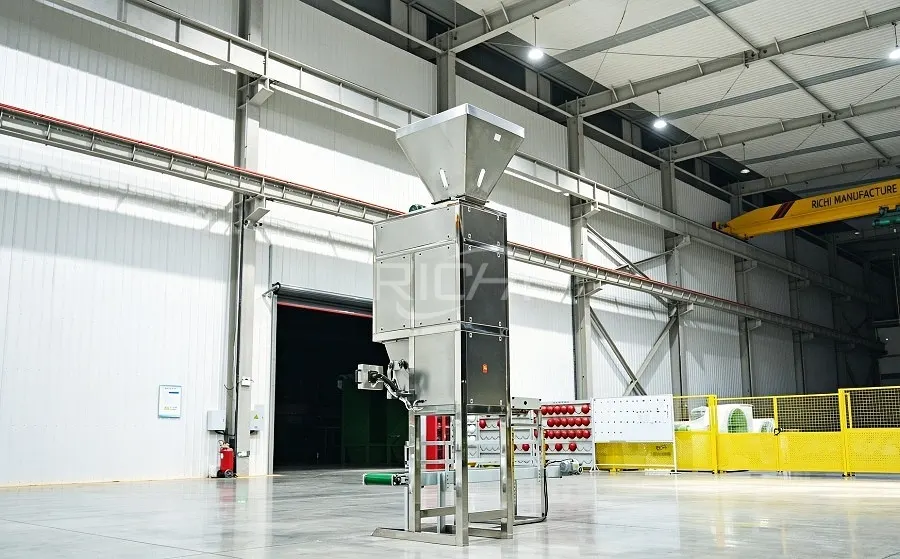
Pellet Packaging Machine
Cotton Stalk Feed Pellet Production Line
Process Flow: cleaning – crushing – batching – mixing – conditioning and pelletizing – cooling – screening – coating (optional) – packaging
Raw Materials: cotton stalk stems and leaves, grains, and other feed ingredients
Pelletizing Considerations: raw material uniformity, pellet size, nutritional requirements, and feed safety
Hammer Mill
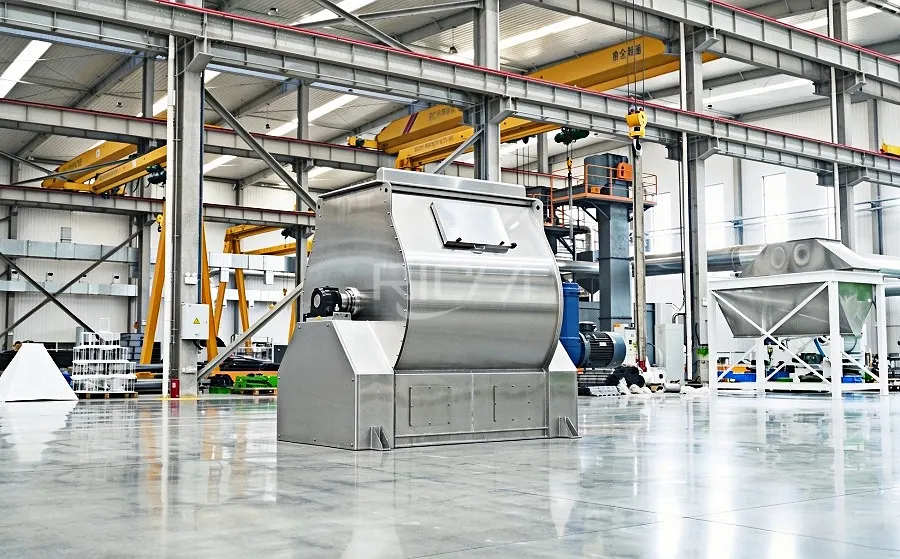
Feed Mixer
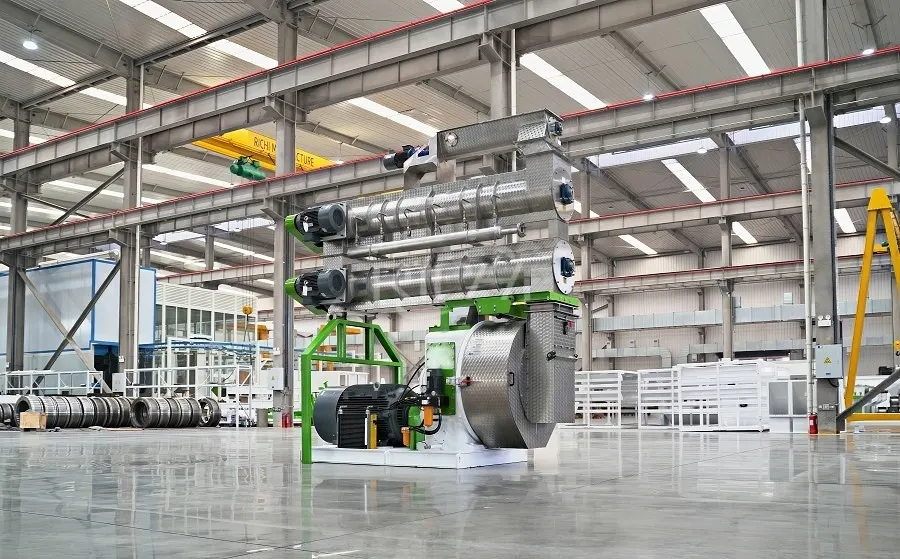
Cotton Stalk Pellet Machine
Counterflow Cooler
Rotary Screener
Packaging Machine
Cotton Stalk Pellet Machine FAQ
To help your cotton stalk pelletizing project get off to a smooth start, we have put together the equipment questions people care about most. We hope this helps you understand the machine better. If there is anything not covered here, feel free to contact us.
How much does a cotton stalk pellet machine price?
→
The price of a single machine is roughly USD 7,500–80,000. The final quote depends on capacity, equipment configuration, raw material conditions, and whether supporting equipment such as drying, crushing, or cooling is needed.
What other raw materials can the machine process besides cotton stalks?
→
The machine can process a wide range of raw materials.
For biomass fuel pellets, it can process agricultural and forestry waste such as wood chips, sawdust, wood shavings, branches, bark, corn straw, wheat straw, rice husk, peanut shell, and bagasse. You can visit the biomass pellet machine page for more details.
For feed pellets, in addition to cotton stalks, it can also process feed materials such as corn straw, alfalfa, wheat straw, soybean meal, corn flour, and wheat bran.
Is drying equipment necessary? Can the material be dried naturally?
→
A moisture content of 12%–18% in cotton stalks is suitable for pelletizing. If the moisture content is too high, you need to dry the material first. Otherwise, the soft material will easily block the ring die holes.
When weather conditions allow, you can dry the raw material naturally until it reaches the required moisture content. If your project has a large raw material volume, large moisture fluctuations, or requires continuous and stable production, we recommend adding drying equipment.
Can I buy just a single machine?
→
Yes. You can buy just the main pellet machine, or configure a crusher, dryer, cooling and screening machine, conveying equipment, and other equipment separately according to your site conditions. We strictly inspect every machine before it leaves the factory. Our company has also earned ISO, CE, and SGS certifications, and we export our products to more than 140 countries and regions, so you can have confidence in the quality.
How long can this cotton stalk pellet machine last?
→
With normal use and regular maintenance, the machine can generally last 10–15 years. The ring die, press rollers, and other wear parts have service lives that vary with raw material hardness, moisture content, and output.
What is the warranty period for the cotton stalk pellet machine?
→
The equipment warranty is generally 12 months. During the warranty period, if a non-human quality problem occurs, we will provide the corresponding technical support. After the warranty period, we can still provide lifetime technical service, and only parts costs are charged for repairs.

