
Biomasse-Pelletmaschine
Suchen Sie einen zuverlässigen Hersteller von Biomasse-Pelletmaschinen? Die RICHI MZLH-Serie zeichnet sich durch hohe Kapazität, geringen Energieverbrauch und stabilen Betrieb aus. Wir bieten Lösungen an, die von Einzelmaschinen bis hin zu kompletten Produktionslinien mit Kapazitäten von 0,2 bis 40 t/h reichen.


Alle Arten von Biomasse-Pelletmaschinen
Unterschiedliche Rohstoffe erfordern spezifische Verarbeitungslösungen. Wir passen Pelletmühlen individuell an, damit sie vielfältige Ausgangsmaterialien effizient verarbeiten können, und sorgen so für eine hohe Produktionsleistung Ihrer Anlage.
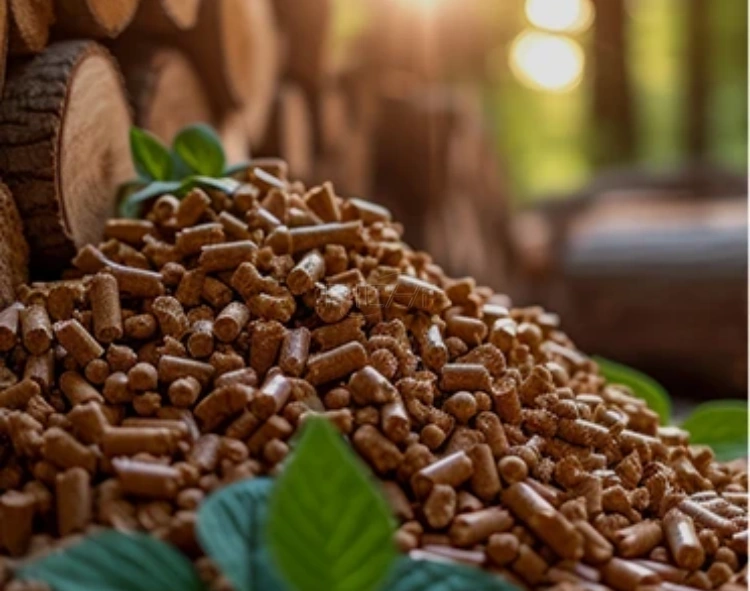
Pelletmaschine für Holzbiomasse
Die Biomasse-Pelletpressen von RICHI zeichnen sich durch eine besonders robuste Bauweise aus, die speziell für Holz mit hoher Härte ausgelegt ist.
Ein direktes Präzisionszahnradgetriebe sorgt für einen reibungslosen Betrieb und einen höheren Wirkungsgrad. Um den ständigen Stößen standzuhalten, ist die Hauptwelle geschmiedet und mit SKF-Lagern ausgestattet, was auch unter hoher Belastung für einen stabilen und geräuscharmen Betrieb sorgt. Darüber hinaus schützen verschleißfeste Beschichtungen an der Ringmatrize und den Walzen vor der Reibung durch Holzfasern, wodurch Wartungsausfallzeiten erheblich reduziert werden.

Pelletmaschine für Grasbiomasse
Flauschiges Grasmaterial, das normalerweise zu Verstopfungen führt, lässt sich hier dank eines serienmäßigen doppelten Zuführsystems (“Brückenbrecher + Zwangszuführung”) problemlos pelletieren.
Eine Schnecke mit variabler Steigung zerkleinert Klumpen, bevor der Zwangsförderer das Material in die Pelletierkammer befördert. Selbst lange Fasern stellen kein Problem dar, da interne Anti-Verwicklungsschaber ein Umwickeln der Spindel verhindern. Diese kontinuierliche, gleichmäßige Zuführungsstruktur verbessert die Gesamtstabilität bei der Verarbeitung von Gras erheblich.
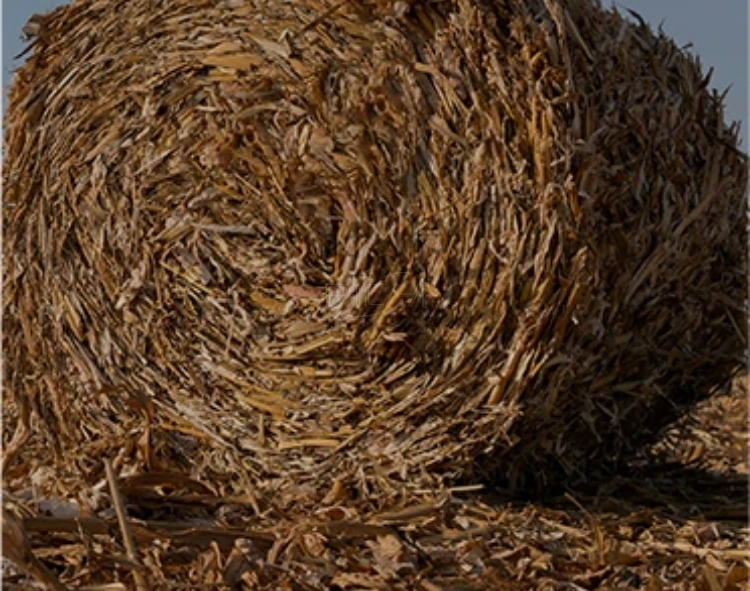
Pelletmaschine für Strohbiomasse
Stroh weist oft schwankende Feuchtigkeitsgehalte auf und enthält Sand oder Erde, doch die RICHI-Biomasse-Pelletmaschine kommt damit problemlos zurecht.
Der brückenbrechende Zuführer unterstützt eine Drehzahlregelung über Frequenzumrichter, um die Austragsmenge je nach Trocknungsgrad des Materials anzupassen. Ein vergrößerter Einlauf in Kombination mit Frequenzumrichtermotoren von Siemens ermöglicht einen reibungslosen Einlauf verschiedener Strohsorten in die Kammer und senkt so wirksam das Verstopfungsrisiko.

Shell-Biomasse-Pelletmaschine
Die Schalenmaterialien sind glatt und enthalten wenig Öl, wodurch sie dazu neigen, innerhalb der Ringmatrize zu verrutschen. Unsere Walzenkonstruktion mit Exzenterwelle passt den Spalt zwischen Ringmatrize und Walze präzise an, um ein gleichmäßiges Spiel aufrechtzuerhalten. Die richtige Spalteinstellung gewährleistet einen effektiven Halt der glatten Schalen und verhindert so ein Verrutschen der Walzen sowie einen schlechten Austrag.
Die Wärmebehandlung sorgt für eine höhere Festigkeit der wichtigsten Bauteile in der gesamten Maschine, während moderne Serpentinenfederkupplungen einen sicheren Betrieb bei minimalen Ausfallraten gewährleisten.
VORHERIGE
WEITER
Individuell anpassbare Biomasse-Pelletmaschine
Sägemehl-Pelletmaschine
Da Holzverarbeitungsabfälle fein, trocken und gut fließfähig sind, haben wir den Einlass der Anlage vergrößert. Ein frequenzgeregelter, verklumpungsfreier Dosierer sorgt in Verbindung mit einem Zwangsbeschickungssystem für eine reibungslose und gleichmäßige Zufuhr.
Maschine zur Herstellung von Nadelholzpellets
Nadelhölzer wie Kiefer, Tanne und Pappel weisen einen mäßigen Ölgehalt auf, doch ihre langen Fasern führen zu einem ständigen Verschleiß der Formwerkzeuge. Daher werden für die Ringmatrizen und Walzen der MZLH-Serie hochverschleißfeste legierte Stähle verwendet, um die Lebensdauer erheblich zu verlängern.
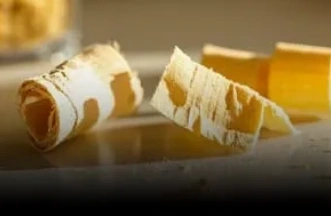
Hartholz-Pelletmaschine
Die Bearbeitung von Harthölzern mit hoher Dichte wie Eiche oder Hickory stellt die Druckfestigkeit der Maschine auf eine besonders harte Probe. Diese Maschine verfügt über ein Präzisionszahnradgetriebe und eine verstärkte Hauptwelle, um extrem hohen radialen Belastungen standzuhalten.
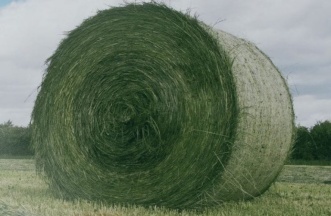
Maschine zur Herstellung von Luzerne-Pellets
Zwangszufuhrsysteme und Edelstahl-Aufbereiter verbessern die Bindung bei lockerer Luzerne erheblich. Der Durchmesser der fertigen Pellets lässt sich flexibel zwischen 4 und 12 mm einstellen, um unterschiedlichen Marktanforderungen problemlos gerecht zu werden.
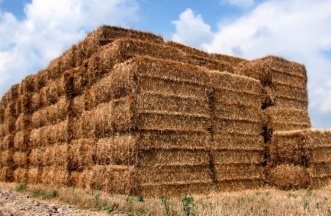
Maschine zur Herstellung von Weizenstroh-Pellets
Ein klumpenfreier Zuführer mit variabler Steigung zerkleinert glattes, faseriges Weizenstroh aktiv, ähnlich wie eine Mühle. Anschließend befördert er das Material ohne Unterbrechung direkt in die Pelletierkammer.
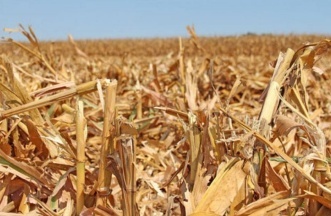
Maschine zur Herstellung von Maisstängel-Pellets
Grobe, harte Stängel mit schwankendem Feuchtigkeitsgehalt stellen komplexe Arbeitsbedingungen dar, weshalb wir erheblich in die Forschung und Entwicklung im Bereich der Zuführung investiert haben. Ein einzigartiges Design mit variabler Teilung bricht die Bögen während des Betriebs automatisch auf, während ein Zwangsförderer die lockeren Stängel präzise in die Formzone befördert.
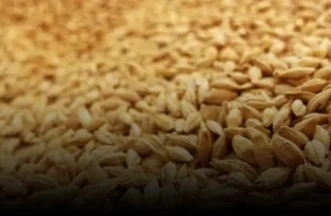
Maschine zur Herstellung von Reisschalenpellets
Reisschalen sind extrem glatt und enthalten keine natürlichen Bindemittel, dennoch presst die CZLH-Serie sie fest in die Ringmatrize. Eine breite Einlauföffnung, ein Frequenzumrichtermotor und ein brückenbildungsverhinderndes Zuführsystem arbeiten dabei perfekt zusammen, um dies zu erreichen.
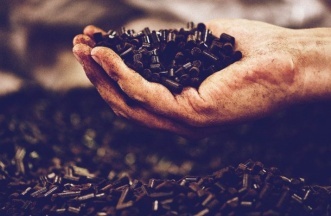
Maschine zur Herstellung von Kaffeeschalenpellets
Präzisionsringmatrizen und Walzen verdichten die nur schwach zusammenhängenden Kaffeeschalen zu Pellets mit einer Dichte von 6–12 mm. Dieser neue Brennstoff zeichnet sich durch einen hohen Heizwert, einfachen Transport und Emissionen aus, die weit unter denen herkömmlicher Kohle liegen.
Technische Daten der Pelletmühle der Serie MZLH von RICHI
Diese zum Verkauf stehende Biomasse-Pelletmaschine wurde für Holzfasern mit hoher Dichte entwickelt und produziert hochwertige Brennstoffpellets. Die Angaben beziehen sich auf die Nennleistung kompletter Produktionsanlagen; die tatsächliche Kapazität hängt von der Rohstoffdichte und dem Verdichtungsverhältnis ab.
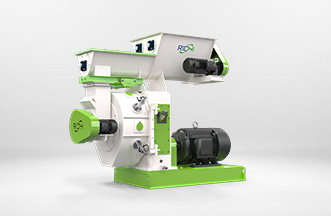
MZLH320
Kapazität: 0,2–0,3 t/h
Leistung des Hauptmotors: 22 kW
Durchmesser der Ringmatrize: 320 mm
Als ideale Einstiegslösung ist diese kompakte Anlage einfach zu bedienen. Sie eignet sich für kleine Biomasse-Betriebe, Familienbetriebe oder erste Forschungs- und Entwicklungstests als erster Schritt in die Holzpelletproduktion.
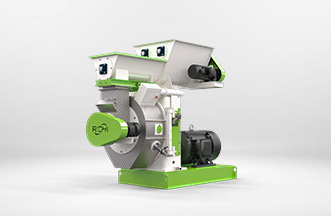
MZLH350
Kapazität: 0,3–0,5 t/h
Leistung des Hauptmotors: 37 kW
Durchmesser der Ringmatrize: 350 mm
Die Anlage wurde für mittelgroße Holzverarbeitungsbetriebe und regionale Händler entwickelt und liefert eine stabile, hochwertige Produktion bei gleichzeitig niedrigen Energie- und Wartungskosten. Die hergestellten Pellets werden direkt an Heizkesselhersteller und den Markt für Hausheizungen geliefert.
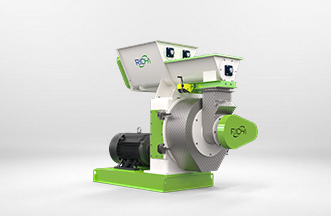
MZLH420
Kapazität: 1,0–1,2 t/h
Leistung des Hauptmotors: 90 kW
Durchmesser der Ringmatrize: 420 mm
Dieses Modell ermöglicht den Übergang zur Produktion im kommerziellen Maßstab. Standardmäßige frequenzgeregelte Anti-Brücken- und Zwangszuführungen steigern die Pelletbildungsrate erheblich und erfüllen damit die professionellen Fabrikstandards für den Dauerbetrieb.
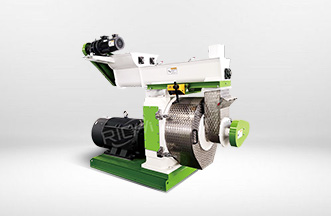
MZLH520
Kapazität: 1,5–2,0 t/h
Leistung des Hauptmotors: 132 kW
Durchmesser der Ringmatrize: 520 mm
Als Rückgrat großer Produktionslinien sorgt ein Getriebeantrieb mit hohem Drehmoment für einen stabilen Betrieb rund um die Uhr. Spezielle verschleißfeste Legierungen im Ringmatrizen und in den Walzen verlängern die Lebensdauer der zentralen Verschleißteile deutlich.
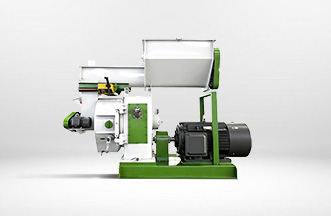
MZLH678
Kapazität: 2,5–3,0 t/h
Leistung des Hauptmotors: 200 kW
Durchmesser der Ringmatrize: 673 mm
Ein echtes Schwergewicht der Industrie, das für hohe Kapazitätsanforderungen ausgelegt ist. Anlagen wie große Holzverarbeitungszentren oder Biomassekraftwerke setzen es ein, um eine kontinuierliche Versorgung mit Pelletbrennstoff zu gewährleisten.
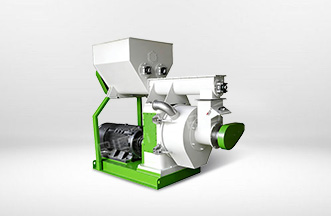
MZLH768
Kapazität: 3,0–4,0 t/h
Leistung des Hauptmotors: 250 kW
Durchmesser der Ringmatrize: 762 mm
Diese speziell für sehr große Produktionslinien entwickelte Vorzeigeanlage meistert mühelos die Herausforderungen beim Pressen von Hartholz mit hoher Dichte. Sie produziert flexibel Pellets mit einem Durchmesser von 4–12 mm und bildet damit den Eckpfeiler für große Biomasse-Energieprojekte.
VORHERIGE
WEITER

Merkmale einer hocheffizienten Biomasse-Pelletmaschine
Bei RICHI verbinden wir wettbewerbsfähige Preise mit branchenführender Technik und stellen so sicher, dass unsere Maschinen maximale Langlebigkeit, höchste Effizienz und den größtmöglichen Nutzen für Ihr Unternehmen bieten.
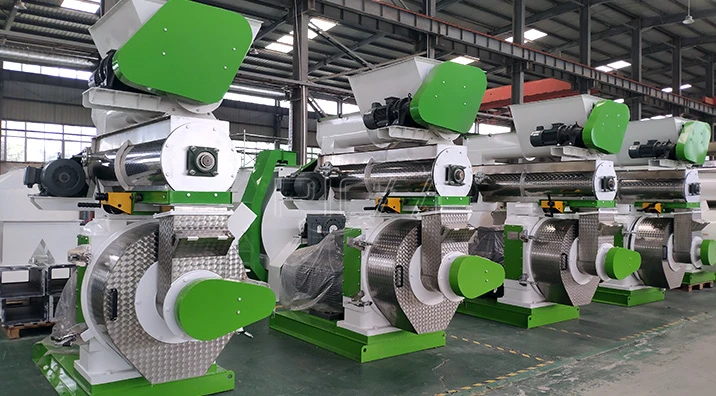
Vielseitige Materialverträglichkeit
Von Sägemehl und Ästen aus der Forstwirtschaft bis hin zu Stroh aus der Landwirtschaft, Reisschalen, Erdnussschalen, Palmenschalen, Bagasse, Holzabfällen und Luzerne – unsere Biomasse-Holzpelletmaschinen verarbeiten alles. Ganz gleich, um welches organische Biomasse-Material es sich handelt: Es wird zuverlässig in hochwertigen Brennstoff oder Futtermittel umgewandelt.
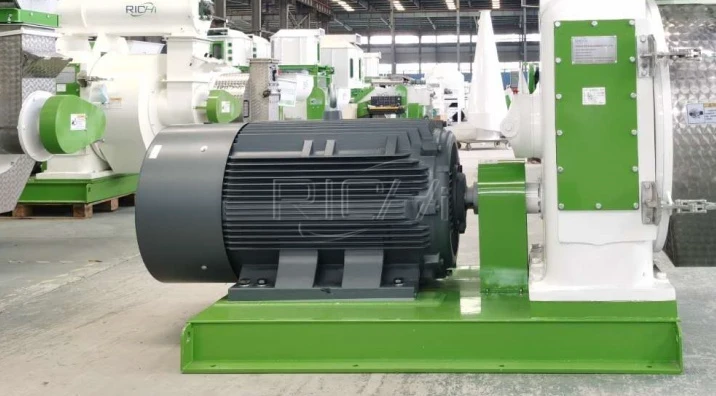
Hocheffizienter Zahnradantrieb
Wir statten Siemens-Industriemotoren mit hochwertigen Getrieben, importierten Lagern und Öldichtungen aus. Diese Konfiguration erhöht den Wirkungsgrad der Kraftübertragung im Vergleich zu herkömmlichen Riemenantrieben um etwa 15%. Die starke, konstante Leistungsabgabe senkt Ihren langfristigen Energieverbrauch im Betrieb effektiv.
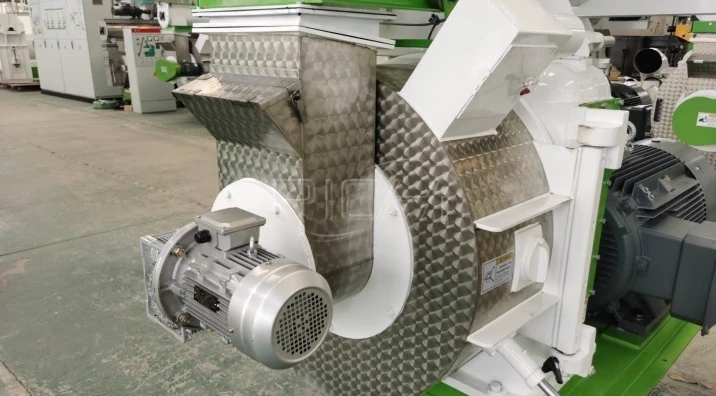
Verstopfungsfreies Zuführsystem
Leichte oder pulverförmige Materialien führen häufig zu Verstopfungen. Deshalb haben wir den Einlauf mit den frequenzgeregelten Anti-Arch- und Zwangsbeschickungssystemen von Siemens optimiert. Diese Kombination befördert das Material kraftvoll vorwärts und gewährleistet so eine kontinuierliche, gleichmäßige Zufuhr. Dadurch läuft Ihre Biomasse-Pelletmaschine reibungslos weiter.
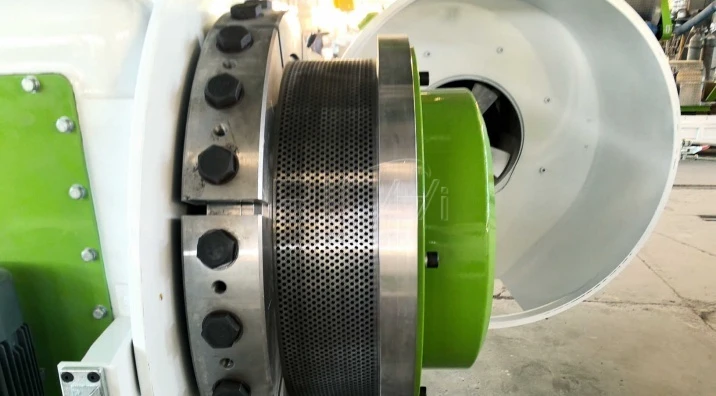
Hochwertige verschleißfeste Teile
Den Kernkomponenten wird besondere Aufmerksamkeit gewidmet, um ihre Lebensdauer zu maximieren. Die Ringmatrizen bestehen aus hochverschleißfestem legiertem Stahl, der durch tiefes Aufkohlen und Abschrecken eine extreme Langlebigkeit aufweist. Die Walzen aus der Legierung 40CrMnTi verfügen über einstellbare Exzenterwellen, während ein robuster Hochleistungsrahmen Resonanzen reduziert und so die Lebensdauer der Biomasse-Pelletmaschine gewährleistet.
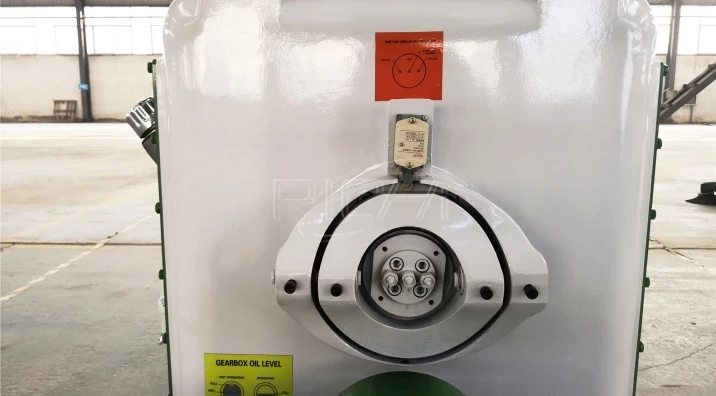
Integrierte Sicherheitsvorrichtungen
Die Sicherheit der Anlagen hat während des gesamten Konstruktionsprozesses für uns oberste Priorität. Überlastschutz und Echtzeitüberwachung verhindern wirksam Schäden durch Bedienungsfehler. Darüber hinaus beseitigen pneumatische Schnellauslösetüren Verstopfungen umgehend, um einen Motorschaden oder Schäden an Kernkomponenten zu vermeiden.
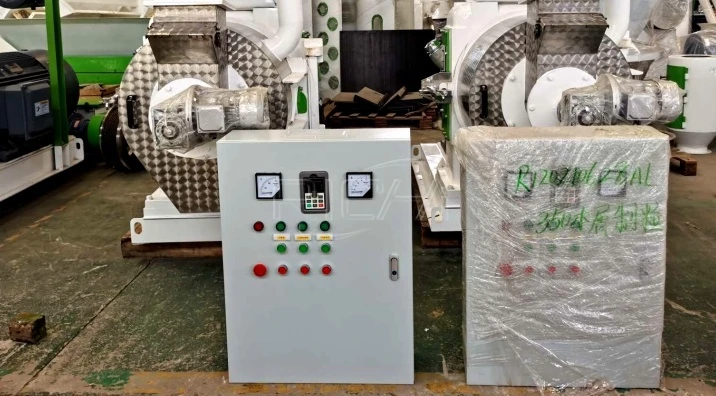
Automatisierte und einfache Bedienung
Der tägliche Betrieb wird zum Kinderspiel, da die Biomasse-Pelletmaschinen von RICHI mit einer Ein-Knopf-Startfunktion ausgestattet sind. SPS-Steuerungssysteme erkennen und passen die Zufuhr automatisch an, um einen Betrieb unter optimalen Bedingungen zu gewährleisten. Die optionale automatische Lagerschmierung sorgt für eine planmäßige Schmierung, während die Schnellwechsel-Matrizen mit Klemmring den Austausch durch eine einzige Person ermöglichen und so den Wartungsaufwand erheblich reduzieren.
Gesamter Produktionsablauf bei der Herstellung von Biomassepellets
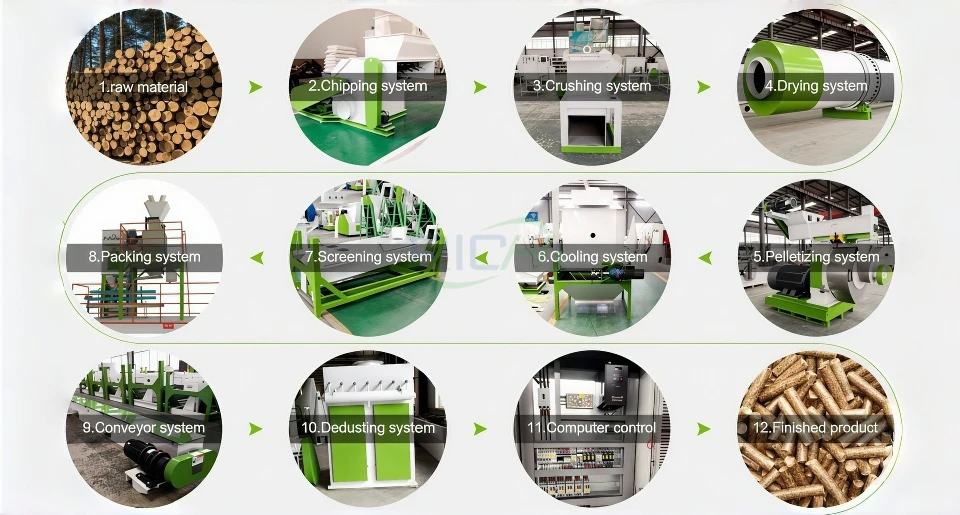
Für hochwertige Pellets braucht es mehr als nur eine Maschine zur Herstellung von Biomassepellets – es bedarf eines präzisen Prozessablaufs. Im Folgenden werden die wichtigsten Prozesse und Zusatzanlagen einer kompletten Produktionslinie für Biomassepellets beschrieben.
Reinigung und Zerkleinerung
Die Rohstoffe werden zerkleinert, gebrochen, gemahlen und gereinigt, um Verunreinigungen zu entfernen. Dadurch wird alles ordnungsgemäß für die nachfolgenden Pelletierungsschritte vorbereitet.
Holzhäcksler zerkleinern Baumstämme und Äste zu Hackschnitzeln, während Brecher Hackschnitzel und Stroh zu einem 3–5 mm feinen Pulver zermahlen. Feines Sägemehl wird direkt der Verunreinigungsentfernung zugeführt.
Trocknen
Die verarbeiteten Materialien müssen bestimmte Feuchtigkeitsbereiche erreichen, damit der Prozess erfolgreich verläuft.
Ein zu hoher oder zu niedriger Feuchtigkeitsgehalt wirkt sich negativ auf die Pelletbildung und den Ertrag aus. Frisches Holz weist oft einen Feuchtigkeitsgehalt von über 30% auf und muss getrocknet werden. Trockner bringen den Wassergehalt des Rohmaterials auf den für die Pelletierung optimalen Bereich von 13%–18%.
Pelletierung
Bei diesem Verfahren werden Sägemehl und Stroh in der Biomasse-Pelletpresse zu fertigen Pellets verarbeitet.
Trockene, zerkleinerte und gleichmäßig vermischte Materialien werden über frequenzgesteuerte Dosierer und Zwangsförderer in die Kammer geleitet. Durch den hohen Druck und die Reibungswärme, die durch die Ringmatrize und die Walzen entstehen, werden zylindrische Pellets extrudiert, wobei die Größe durch die Einstellung der Schneidlänge gesteuert wird. Der Durchmesser der fertigen Pellets liegt in der Regel zwischen 4 und 12 mm.
Kühlung
Die aus der Maschine austretenden Pellets erreichen eine Temperatur von 80–90 °C und sind noch relativ feucht und weich. Kühlanlagen sorgen dafür, dass sie schnell abkühlen, entfeuchtet werden und aushärten. Erst wenn sie auf Raumtemperatur abgekühlt sind, können sie sicher verpackt werden, ohne zu zerbrechen, zu verkleben oder sich selbst zu entzünden.
Vorführung
Die fertigen Pellets durchlaufen ein Siebverfahren, um Verunreinigungen, nicht konformes Pulver und Fremdkörper abzutrennen. Dadurch werden die Gleichmäßigkeit und die Qualität des Endprodukts dauerhaft gewährleistet. Nicht konforme Pellets werden zur erneuten Pelletierung in die Produktionslinie zurückgeführt, wodurch Materialverluste effektiv minimiert werden.
Verpackung
Qualifizierte Biomassepellets werden mithilfe automatischer Verpackungsmaschinen entsprechend voreingestellter Gewichte gewogen, in Säcke abgefüllt und versiegelt. Automatisierte Verpackungssysteme steigern die Produktionseffizienz erheblich und senken gleichzeitig die Arbeitskosten.
Zusatzausrüstung für die Herstellung von Biomassepellets
Die Biomasse-Pelletpresse sorgt dafür, dass sich der Kern der Pellets formen lässt, während die Zusatzausrüstung durch präzise Vor- und Nachbehandlung die Qualität der Pellets verbessert.
Entrindungsmaschine
Entfernt Rinde schnell von Holzstammoberflächen und erleichtert so die weitere Verarbeitung.
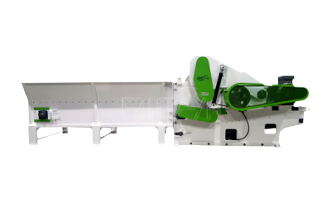
Vorlagen-Zerkleinerer
Verfügt über einen breiteren Einfüllschacht, um breites, flaches Holz in 3–5 cm große Stücke zu zerkleinern.
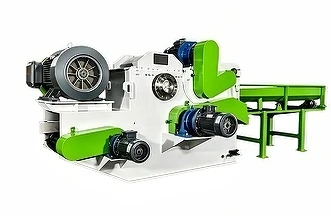
Trommelhäcksler
Zerkleinert große Holzblöcke effizient zu 2–3 cm grobem Material.
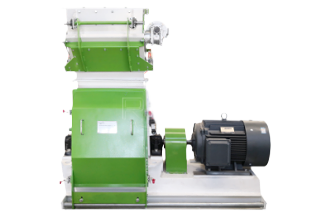
Hammermühle
Zerkleinert vorbearbeitetes Holz gründlich zu 3–5 mm feinem Sägemehl.
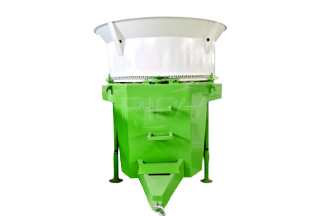
Ballenbrecher
Dient in erster Linie dazu, gepresste Strohballen zur weiteren Verarbeitung aufzulockern.
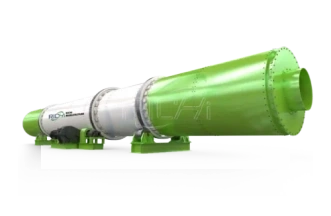
Biomasse-Trockner
Senkt die Rohstofffeuchte auf den für die Pelletierung optimalen Bereich von 13%–18%.
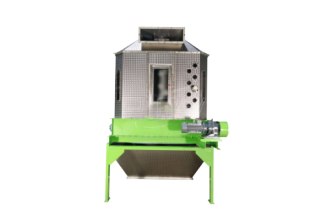
Gegenstromkühler
Kühlt, entfeuchtet und verfestigt frisch hergestellte Pellets im Handumdrehen.
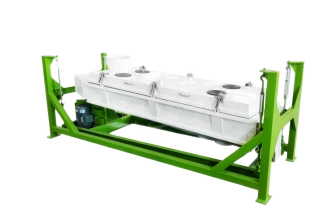
Vibrationssieb
Trennt normgerechte Pellets von Feinanteilen und übergroßen Partikeln.
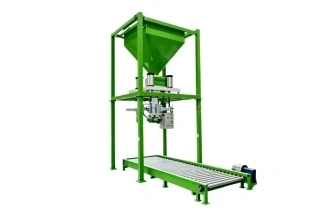
Verpackungsmaschine
Verpackt qualifizierte Biomassepellets automatisch nach voreingestelltem Gewicht.
Kundenvideos zu Biomasse-Pelletmaschinen
Hier zeigen wir Ihnen echte Videos von Kunden, die Maschinen aus früheren Projekten testen. Diese unbearbeiteten Videos helfen Ihnen dabei, die Leistung der RICHI-Biomasse-Pelletmaschine schnell zu beurteilen, und geben Ihnen Sicherheit bei Ihrer Kaufentscheidung.
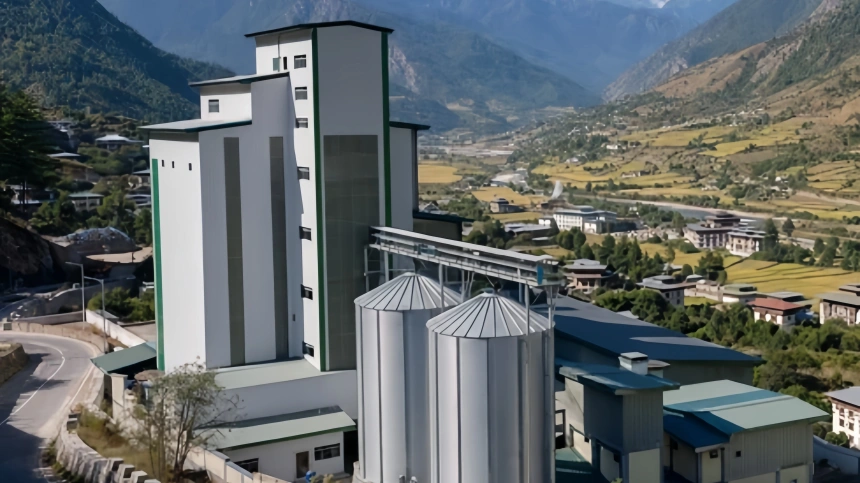
Verarbeitungsanlage für amerikanisches Heupellet
Wir haben die Kamera auf diese Heureihe gerichtet, an der die Maschine getestet wurde. Das Heu wird zugeführt, zunächst zu Pulver zerkleinert und anschließend durch eine Pelletpresse gepresst, woraufhin es als Pellets austritt. Die fertigen Partikel werden auf dem Sortiersieb gewalzt und gesiebt und gelangen schließlich in den Verpackungsbereich.
Wie Sie in der Nahaufnahme des Videos sehen können, weisen die fertigen Partikel eine glatte Oberfläche, eine gleichmäßige Farbe und eine gute Formqualität auf.

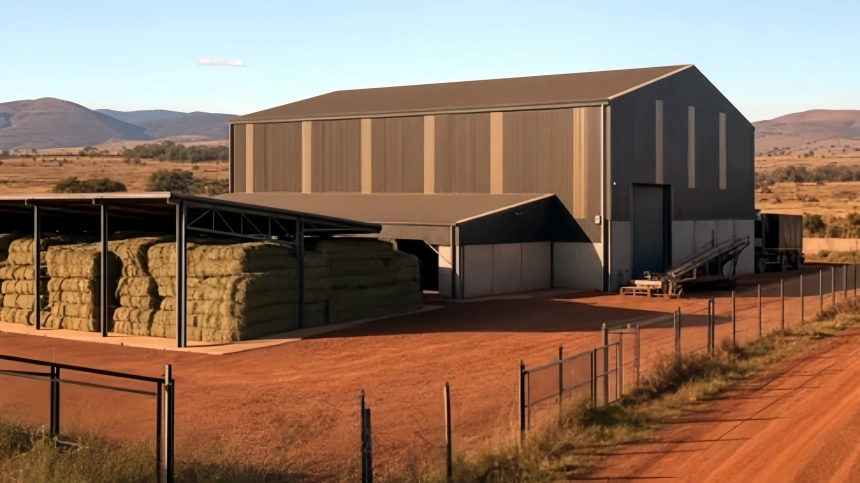
Australische Anlage zur Verarbeitung von Biomasse-Brennstoffen
Das Video zeigt vor allem den Betrieb der Biomasse-Pelletmaschine, die mit einer Produktionskapazität von 2 bis 2,5 Tonnen pro Stunde recht gleichmäßig läuft.
Die Schaltkreise der gesamten Produktreihe entsprechen strikt den australischen und neuseeländischen Elektronormen. Die Rückmeldungen der Kunden sind positiv: Sie geben an, dass sie zwar neu in der Branche sind, diese Produktreihe ihnen jedoch noch nie Probleme bereitet hat.
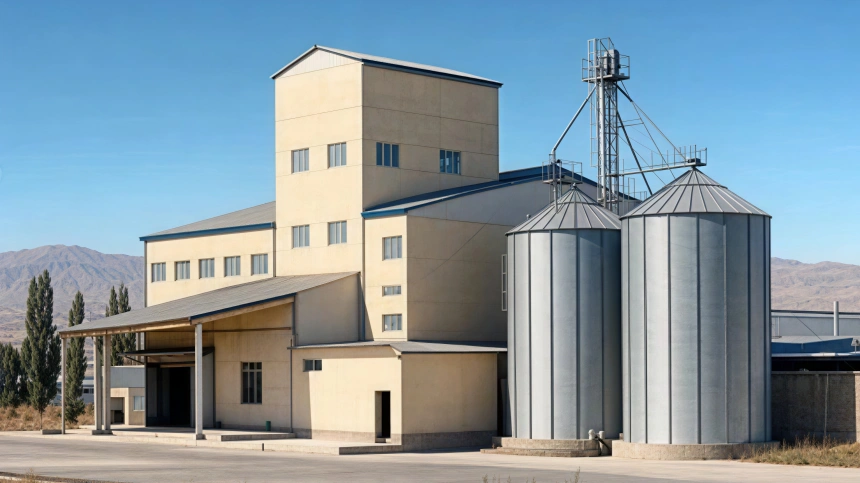
Produktionslinie für Luzerne-Pellets in Argentinien
Das Video wurde nach der Installation der Produktionslinie aufgenommen. Es bietet einen Überblick über die gesamte Anlage – vom Zerkleinern und Granulieren bis hin zum Sieben, Fördern und Verpacken –, wobei alle Abschnitte nahtlos ineinander übergehen. Der Lärmpegel des Granulators ist während des Betriebs gut unter Kontrolle.
Diese Produktionsanlage für Luzerne-Pellets mit einer Leistung von 3–4 Tonnen pro Stunde eignet sich hervorragend für lokale kleine und mittelgroße Biomasse-Pelletieranlagen.
VORHERIGE
WEITER
Hören Sie sich echte Stimmen an
Wir haben authentisches Feedback von Kunden aus aller Welt gesammelt, die RICHI-Biomasse-Pelletmaschinen und -Produktionslinien einsetzen. Diese Rückmeldungen von Fabrikbesitzern aus der Praxis helfen Ihnen, die Leistungsfähigkeit unserer Maschinen intuitiv nachzuvollziehen.
Die Temperaturen sinken hier im Winter auf -15 °C, wodurch das Holz festgefriert. Eine 2015 installierte Hausanlage verstopfte ständig. Dann kam RICHI zu uns, ohne uns neue Produkte aufschwatzen zu wollen; sie änderten einfach das Ringmatrizen-Kompressionsverhältnis unserer alten Anlage von 1:5 auf 1:6,8 und tauschten die Riemen gegen die ihres kleinen Getriebemoduls aus. Diese alte Anlage läuft jetzt tatsächlich – sie braucht nur eine 10-minütige Aufwärmphase, dann läuft alles reibungslos.
Johann Karlsson
Betriebsleiter, Biomasse-Kraftwerk Island
Als Neulinge in der Pelletbranche mit knappen Budgets wussten wir es zu schätzen, dass RICHI uns nicht sofort komplette Ausrüstungssätze aufdrängen wollte. Stattdessen schlugen sie vor, gebrauchte Entrindungs- und Spaltmaschinen aus zweiter Hand zu beschaffen und die eingesparten Mittel in die unverzichtbare Pelletpresse MZLH520 und das Siebsystem zu investieren. Sie nannten das ‘das Geld dort ausgeben, wo es am wichtigsten ist’. Diese praktischen Worte haben mein Vertrauen voll und ganz gewonnen.
David Harrison
Partner, Pellet-Verarbeitungsanlage in Australien
Unsere erste Pelletpresse lief jahrelang zuverlässig. Als wir auf der Suche nach einer neuen Anlage waren, wandten wir uns direkt wieder an RICHI, ohne uns anderweitig umzusehen – eine einzige E-Mail genügte, um den Auftrag unter Dach und Fach zu bringen. In Brasilien gibt es reichlich Kaffeeschalen, die bisher als Abfall entsorgt wurden. Nun werden sie in Pelletpressen zu 6-mm-Pellets gepresst, deren Heizwert dem von Kohle mittlerer bis niedriger Qualität nahekommt. Kunden berichten, dass sich diese besser verkaufen als Holzpellets.
Marcos Oliveira
Einkaufsleiter, Biomasse-Pelletwerk in Brasilien
Ihre Biomasse-Pelletmaschine ist wirklich nicht wählerisch, was das Ausgangsmaterial angeht. Wir haben ihr feuchtes, geschwärztes, altes Stroh mit etwas Erde beigemischt, ohne dass es zu Problemen kam, auch wenn sich die Produktionsleistung dadurch leicht verlangsamte. Wir haben zwei Anlagen gekauft: Eine stellt Brennstoffpellets für Biomasse-Heizwerke her, während die andere verschiedene Rezepturen testet. Bei billigem Stroh sind Fehlversuche finanziell kein Problem. Die kombinierte Stundenleistung erreicht eine Tonne, was den lokalen Heizbedarf ausreichend deckt.
Krzysztof Wojciechowski
Technischer Leiter für erneuerbare Energien, Biomasseaufbereitungsanlage in Polen

Kaufberatung & Hilfezentrum
Wir haben diesen übersichtlichen Leitfaden als Antwort auf häufig gestellte Fragen unserer Kunden aus aller Welt im Rahmen ihrer Beratungsgespräche zusammengestellt. Wir geben Ihnen professionelle und transparente Antworten, damit Sie mit Vertrauen einkaufen und unsere Produkte nutzen können.
Was ist eine Biomasse-Pelletmaschine?
→
Einfach ausgedrückt: Eine Biomasse-Pelletiermaschine verdichtet lose land- oder forstwirtschaftliche Abfälle wie Sägemehl, Maisstängel oder Erdnussschalen zu zylindrischen Pellets mit hoher Dichte. Sie finden breite Anwendung, da das Pelletieren das Volumen sperriger Abfälle drastisch reduziert und so deren Lagerung und Transport erleichtert. Die Verbrennungseffizienz steigt, während die Staubentwicklung sinkt, was Pellets zu einer überlegenen, sauberen Energiealternative zu Kohle macht.
Welche Verwendungsmöglichkeiten und Marktperspektiven gibt es für Biomassepellets?
→
Biomassepellets finden in äußerst vielfältigen Bereichen Anwendung:
Kraftstoff: Sägemehl- oder Strohpellets erzeugen Strom, beheizen Industriekessel oder versorgen Haushalte mit Wärme – und das bei weitaus geringeren CO₂-Emissionen als bei fossilen Brennstoffen.
Feed: Pellets aus Luzerne oder Weizenkleie verbessern die Verdauung und die Nährstoffaufnahme bei Nutztieren erheblich.
Katzenstreu/Einstreu: Sägemehl- oder Zellstoffpellets zeichnen sich durch eine hohe Feuchtigkeitsaufnahme und Geruchsbindung bei Haustieren aus.
Industrierohstoffe: Bestimmte Pellets eignen sich für die Herstellung von Aktivkohle oder für die Vergasung von Biomasse.
Angetrieben durch die weltweiten Bemühungen zur CO₂-Reduzierung sowie die Haustier- und Zuchtwirtschaft verwandeln Biomassepellets Abfall in einen wertvollen Rohstoff und läuten damit eine Phase explosiv steigender Nachfrage in den Bereichen Brennstoffe und Futtermittel ein. Der Kauf einer Biomasse-Pelletiermaschine bedeutet, eine hervorragende Geschäftsmöglichkeit zu nutzen.
Wie wählt man das Modell entsprechend den Rohstoffen und der Produktionsmenge aus?
→
Bei der Auswahl einer Biomasse-Pelletpresse müssen Sie zunächst die Art Ihres Rohmaterials und die voraussichtliche Produktionsmenge klären, da die physikalischen Eigenschaften der verschiedenen Materialien völlig unterschiedliche Anforderungen an den Aufbau der Anlage stellen:
Holzrohstoffe (Sägemehl, Weich- und Hartholz): Diese Materialien weisen eine hohe Dichte und lange Fasern auf, was zu einem starken Verschleiß der Maschine führt. Es wird empfohlen, einen Ringmatrizen-Granulator mit einem Getriebe mit hohem Drehmoment und verschleißfesten Bauteilen zu wählen (z. B. die RICHI MZLH-Serie). Es ist zu beachten, dass die tatsächliche Ausbeute bei dieser Art von Rohmaterial in der Regel etwas geringer ist als bei Stroh.
Stroh und Gras (Luzerne, Weizenstroh): Dieses Material ist relativ locker und leicht, was bei der Zuführung leicht zu Brückenbildung und Verstopfungen führen kann. Es wird empfohlen, ein Modell zu wählen, das mit einer Zwangszuführung und einer Brückenbrecher-Zuführung ausgestattet ist (z. B. die RICHI CZLH-Serie).
Schalenabfälle (Reisschalen, Kaffeeschalen): Die Oberfläche ist zu glatt, sodass die Maschine sie nur schwer greifen kann. Bei der Auswahl sollten Sie ein Gerät mit einer gerändelten Andruckrolle und einer Ringmatrize mit hohem Kompressionsverhältnis wählen, um ein Durchrutschen und ein Leerlaufen der Andruckrolle zu verhindern.
Produktionsbedarf ermitteln: Wählen Sie die Anlage entsprechend der Höhe Ihrer Investition aus. Für kleine Familienbetriebe reicht eine kleine Biomasse-Pelletpresse mit einer Kapazität von einigen hundert Kilogramm pro Stunde aus; für mittelgroße Verarbeitungsanlagen werden 1 bis 3 Tonnen pro Stunde empfohlen; für große kommerzielle Produktionslinien müssen Sie Anlagen in Industriequalität mit einer Kapazität von mehr als 5 Tonnen pro Stunde wählen.
Welche Anforderungen gelten für den Feuchtigkeitsgehalt der Rohstoffe für Biomasse-Pelletmaschinen? Auf welche wesentlichen Konfigurationsmerkmale sollte man achten?
→
Der Betriebszustand der Maschine und die Qualität des Endprodukts hängen maßgeblich vom Feuchtigkeitsgehalt der Rohstoffe und der grundlegenden Hardwarekonfiguration ab:
Der Feuchtigkeitsgehalt der Rohstoffe: Bei den meisten Pelletiermaschinen muss der Feuchtigkeitsgehalt der Rohstoffe streng zwischen 13% und 18% geregelt werden (15% ist optimal). Ist der Feuchtigkeitsgehalt zu hoch, sind die Partikel locker und spröde; ist der Feuchtigkeitsgehalt zu niedrig, steigt der Energieverbrauch durch Reibung und die Maschine verschleißt schneller. Sind die Rohstoffe von Natur aus feucht, müssen vor der Granulierung Trocknungsanlagen installiert werden.
Übertragungsverfahren: Im Rahmen des Budgets ist ein Zahnradantrieb vorzuziehen. Er ist stabiler als ein Riemenantrieb, weist eine äußerst geringe Ausfallrate auf und eignet sich besser für den langfristigen, hochbelasteten Dauerbetrieb in der industriellen Fertigung.
Material der Form und der Andruckrolle: Dies ist der anfällige Kern der Maschine. Eine hochwertige Ringmatrize sollte aus legiertem Stahl gefertigt und einer Vakuumwärmebehandlung unterzogen werden, wodurch sie eine lange Lebensdauer und hohe Verschleißfestigkeit aufweist; die Andruckrolle sollte vorzugsweise aus aufkohltem legiertem Stahl bestehen, da dieser eine bessere Haftung bietet und weniger zum Rutschen neigt.
Zuführsystem: Bei der Verarbeitung von leichten, lockeren oder ballaststoffreichen Rohstoffen müssen Sie prüfen, ob die Maschine mit einem Zwangszuführsystem ausgestattet ist. Dies ist entscheidend, um ein Verstopfen der Einfüllöffnung zu vermeiden.
Wie lässt sich beim Kauf einer Pelletmaschine die Gesamtstärke der Hersteller von Biomasse-Pelletmaschinen beurteilen?
→
Beim Kauf von Anlagen geht es nicht nur um den Erwerb der Maschine selbst, sondern auch um die Sicherung einer langfristigen Produktionsgarantie. Bei der Bewertung von Herstellern empfiehlt es sich, die folgenden vier Aspekte der „Soft Power“ zu berücksichtigen:
Qualitätskontrolle und Branchenzertifizierungen: Prüfen Sie, ob der Hersteller über ein strenges Qualitätsmanagementsystem und die für den Markt erforderlichen Zulassungen verfügt, da dies eine Garantie für die grundlegende Sicherheit der Anlagen darstellt.
Erfolgsbeispiele mit ähnlichen Rohstoffen: Fragen Sie den Hersteller, ob er bereits Kundenprojekte durchgeführt hat, die genau den von Ihnen verwendeten Rohstoffen entsprechen. Dies kann die Praxistauglichkeit und Ausgereiftheit seiner Anlagen direkt belegen.
Fähigkeiten zur Entwicklung maßgeschneiderter Lösungen: Exzellente Lieferanten können Ihnen auf der Grundlage Ihrer tatsächlichen Betriebsfläche und Ihres Investitionsbudgets ein umfassendes Paket an sinnvollen Prozesslösungen maßschneidern.
Reaktionsgeschwindigkeit im Kundendienst: Da es sich bei der Pelletiermaschine um eine verschleißanfällige Anlage handelt, ist es von entscheidender Bedeutung, sicherzustellen, dass die spätere Ersatzteilversorgung und technische Reparaturen schnell und rechtzeitig erfolgen.
Wir empfehlen Ihnen dringend, uns Ihre konkrete Situation ausführlich mitzuteilen, bevor Sie Bestellungen bestätigen. Die Unterstützung bei Werksbesichtigungen und Maschinentests sorgt für Sicherheit. Dies entspricht den konsequenten Servicestandards von RICHI – transparente Besichtigungen vor Ort, kostenlose Materialtests, maßgeschneiderte Lösungen und ein reaktionsschneller Kundendienst stehen für Sie bereit. Unser Ziel ist es, Ihren Kauf sicher und den Betrieb sorgenfrei zu gestalten. Wir freuen uns auf Ihre Nachricht.
Ist Ihre Biomasse-Pelletmaschine wartungsfreundlich?
→
Einfache Wartung war unser zentrales Konstruktionsprinzip: Reparaturen und die tägliche Pflege sollen schnell, intuitiv und problemlos vonstattengehen. So stellen unser Design und unser Kundendienst dies sicher:
Schneller Austausch von Verschleißteilen
Ringmatrizen und Walzen gehören zu den Hauptverschleißteilen. Dank unseres Schnellspannsystems können Mitarbeiter die Ringmatrizen durch Lösen weniger Schrauben entfernen, ohne dass schwere Hebewerkzeuge oder Schweißarbeiten erforderlich sind. Gewöhnliche Mechaniker können den kompletten Austausch in nur 30–40 Minuten durchführen, was im Vergleich zu älteren Modellen eine Zeitersparnis von mehreren Stunden bedeutet.
Weltweit einsetzbare Schlüsselkomponenten
Alle Kernkomponenten wie SKF-Lager, Siemens-Motoren, Öldichtungen und Riemen entsprechen internationalen Standardmodellen. Im Schadensfall können Sie Originalersatzteile vor Ort bei autorisierten Händlern erwerben und noch am selben Tag austauschen lassen. Dadurch entfallen lange Ausfallzeiten aufgrund von Lieferungen aus dem Ausland vollständig.
Intelligente Fehlerdiagnose
Die Fehlerbehebung sollte nicht auf blinden Vermutungen beruhen. SPS-Steuerungssysteme verfügen über intelligente Selbstdiagnosefunktionen. Verstopfungen, Überhitzung oder Überlastungen lösen eindeutige Fehlercodes in englischer Sprache aus, begleitet von Schritt-für-Schritt-Anleitungen zur Behebung des Problems auf dem Bildschirm. Die Bediener können die Ursachen präzise lokalisieren, um Probleme schnell zu beheben und Folgeschäden durch unnötige Demontage zu vermeiden.
Zuverlässiger technischer Fernsupport per Video
Bei komplexen elektrischen oder hydraulischen Problemen stehen Ihnen unsere Kundendiensttechniker jederzeit mit einer Video-Fernanleitung zur Seite. Unabhängig von Zeitzonen führen wir Ihr Team Schritt für Schritt durch die Fehlerbehebung – bei Bedarf mithilfe von Videoanrufen in Kombination mit technischen Zeichnungen.
Kurz gesagt: Unsere Konstruktionsgrundlage ist klar: Jedes Teil, das regelmäßig gewartet werden muss, muss von normalen Mitarbeitern mit einfachen Werkzeugen innerhalb von zwei Stunden gewartet werden können. Wir haben diese Maschine als wirklich zuverlässiges Arbeitstier für die Produktion konzipiert – leistungsstark und dennoch wartungsfreundlich für einen sorgenfreien Betrieb. Wenn Sie in eine zuverlässige und langlebige Biomasse-Pelletmaschine investieren möchten, kontaktieren Sie uns bitte für weitere Details zur Anlage.

