
Miscanthus Pellet Mill

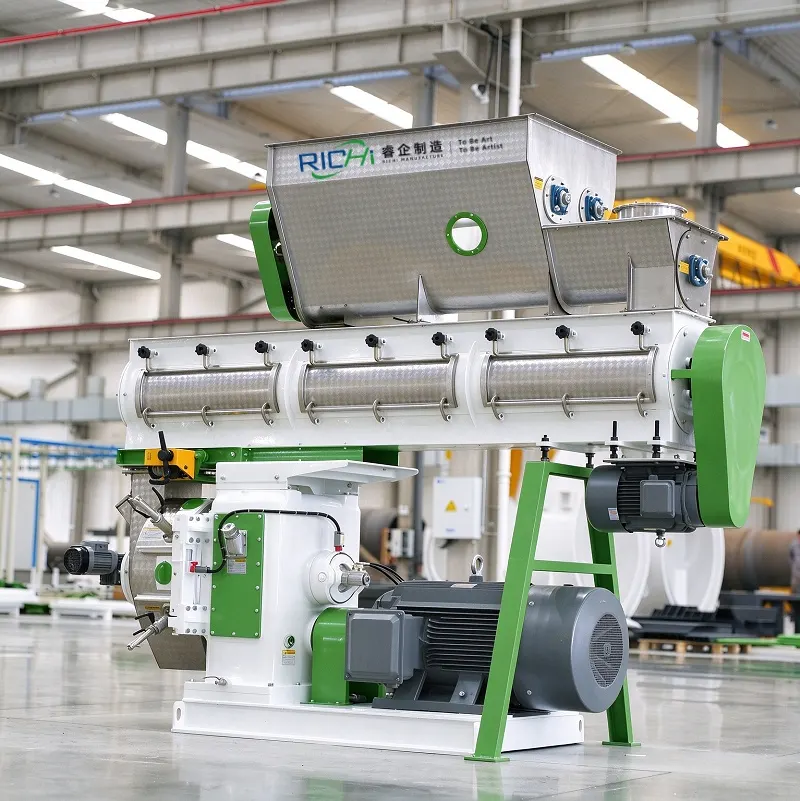
Overview of Miscanthus Pellet Mill
In the industry, the miscanthus pellet mill is also called a miscanthus sinensis pellet machine, maiden grass pellet machine, giant miscanthus pellet machine or elephant grass pellet mill. It can process miscanthus, napier grass, alfalfa, hay, hemp and other grass materials.
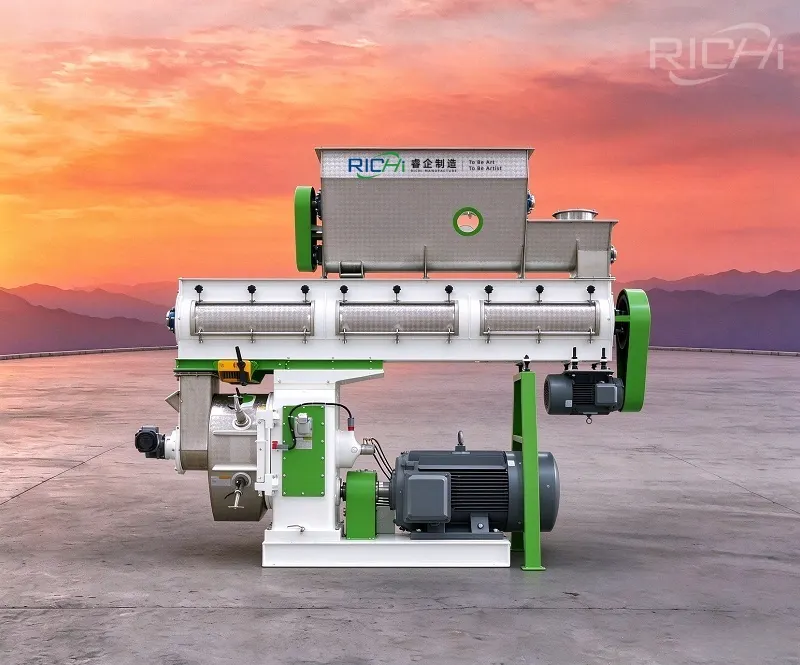
RICHI designed this grass pellet machine for miscanthus raw material. A conditioner can be added and the configuration adjusted, so you can produce miscanthus biomass pellets, feed pellets and organic fertilizer pellets.
We also have mature miscanthus pellet production line technology. If you need miscanthus pelletizing equipment, contact us for support tailored to your project.
Capacity: 0.5-8 T/H
Pellet Size: 4-12 mm
Why Is Miscanthus Suitable for Pellet Making?
Miscanthus has a calorific value of 15-22 MJ/kg, close to wood. Once processed into biomass pellets, it offers high density, high calorific value and low ash content. The table below shows the advantages miscanthus pellets have over raw miscanthus.
| Comparison Item | Raw Miscanthus | Miscanthus Fuel Pellets |
|---|---|---|
| Material form | Loose stalks, shredded material or bales | Regular cylindrical pellets |
| Bulk density | About 99 kg/m³ for chopped material; about 140–180 kg/m³ for baled material | About 600–650 kg/m³ |
| Material size | Uneven length, irregular shape | Relatively uniform size, commonly 6, 8 or 10 mm in diameter |
| Moisture | Affected by harvest season and drying conditions | Usually moisture-controlled |
| Storage | Requires large stacking space; can be stacked after baling | Bagged, bulk or stored in silos |
| Transport | Bale or bulk transport | Bagged or bulk transport, easier to load and unload |
| Combustion feeding | Irregular shape makes continuous feeding difficult | Uniform pellet size is better suited to automated feeding |
After pelletizing, miscanthus density increases by at least 4 times, making transport and storage easier. As early as 2000, miscanthus pellet power generation accounted for 9% of that year’s electricity generation in the 15 EU countries, which shows the technical maturity of miscanthus as an energy raw material. With our miscanthus pellet mill, you can turn this waste agricultural resource into biomass fuel pellets with considerable economic value.
Miscanthus is highly adaptable and can grow on marginal land such as saline-alkali soil and wasteland, so you can greatly reduce raw material costs at the source.
After establishment, it needs little management input but can be harvested continuously for 15-20 years, giving you a long-term, stable and low-cost raw material.
From large biomass power plants to home fireplaces and commercial boiler heating, miscanthus pellets have steady demand in both industrial and residential markets.
Working Principle of Miscanthus Pellet Mill
Understanding the pelletizing process of a miscanthus pellet machine helps you judge which parts deserve attention when buying, and helps you quickly locate the fault when the equipment has a problem. biomass pelletizing can be divided into four steps:

01
Raw Material Feeding
Pretreated miscanthus powder enters the pelletizing chamber through the feeder, providing material for extrusion between the ring die and the rollers.
02
Extrusion and Forming
The rotating ring die drives the rollers. The material is frictionally compressed between them, bonds, and gradually enters the ring die holes.
03
Extrusion Through the Die Holes
Under continuous pressure, the miscanthus material passes through the die holes and forms continuous cylindrical pellet strips.
04
Cutting into Pellets
Cutters on the outside of the ring die cut the extruded strips to the required length, and the finished pellets are discharged from the miscanthus pellet machine.
Miscanthus Pellet Mill Key Technical Structure
Miscanthus pelletizing requires not only enough extrusion capacity, but also solutions to poor feeding of lightweight, long-fiber material and wear on key parts. RICHI designed this pellet mill specifically for the characteristics of miscanthus raw material.
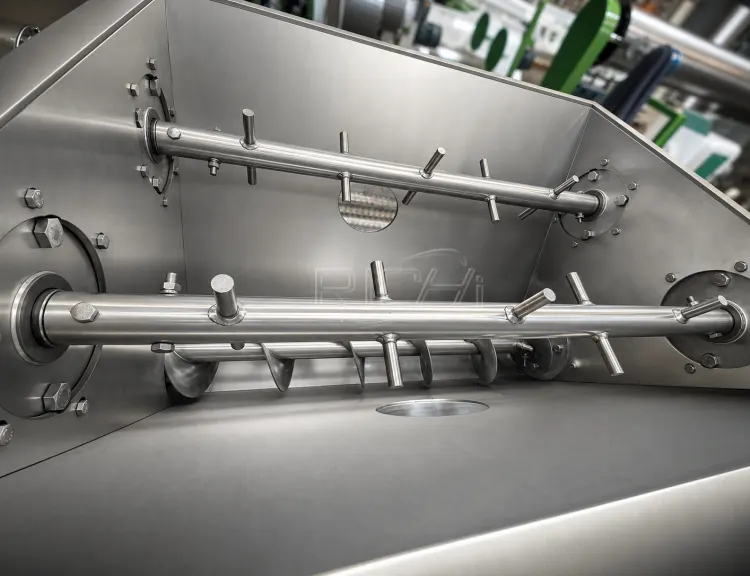
Anti-Bridging Hopper
A large feed opening combined with an anti-bridging device reduces caking and bridging of miscanthus powder in the hopper.
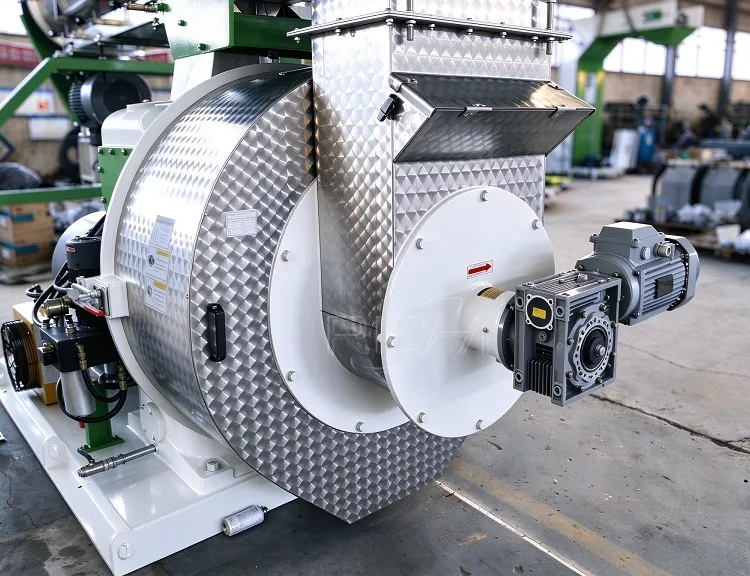
Forced Feeder
The forced feeder pushes material steadily and evenly into the pelletizing chamber, ensuring continuous feeding of miscanthus.
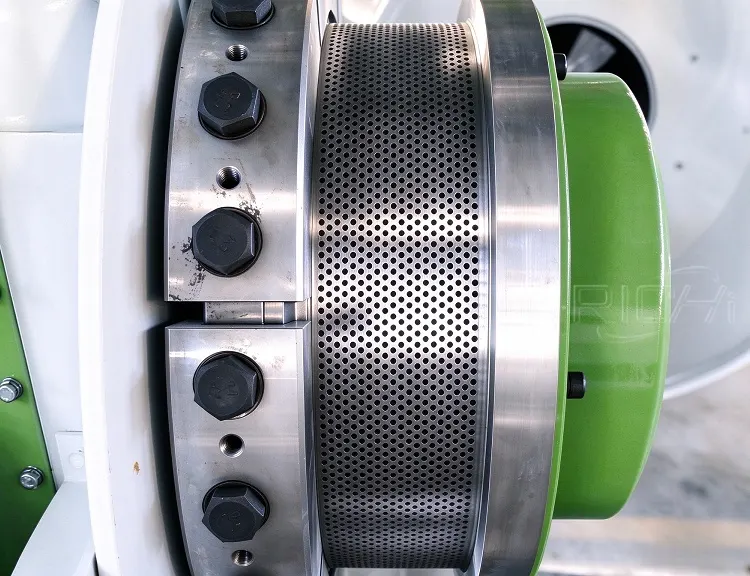
Alloy Steel Ring Die
The ring die is made of 42CrMo alloy steel with deep carburizing and quenching treatment, and its surface hardness reaches HRC 58–62.
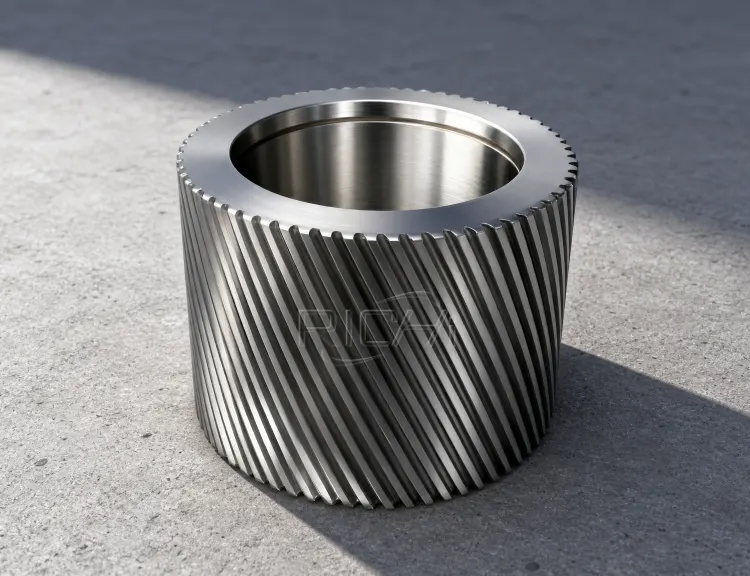
High-Strength Roller
The rollers are made of high-wear-resistant alloy steel and use an eccentric shaft structure, making it easy to adjust the gap between the rollers and the ring die.
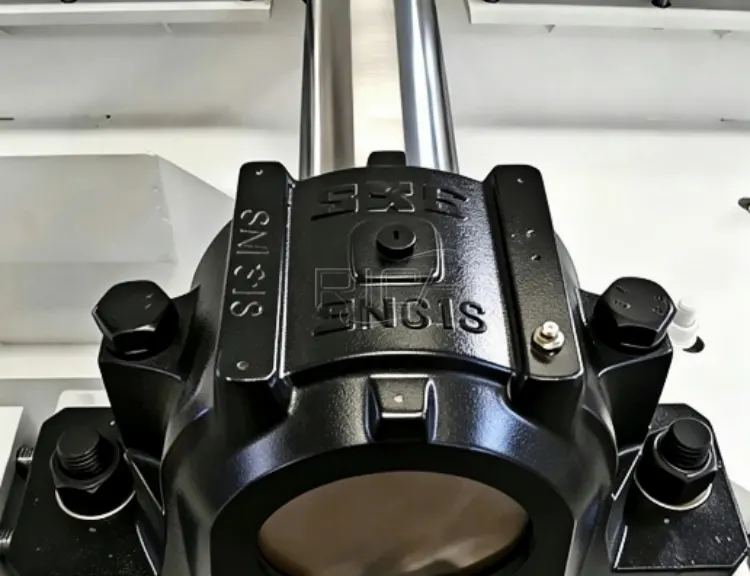
SKF Bearing
The main transmission parts of the miscanthus pellet mill use skf bearings, combined with a heavy-duty base to keep the whole machine stable and reliable.
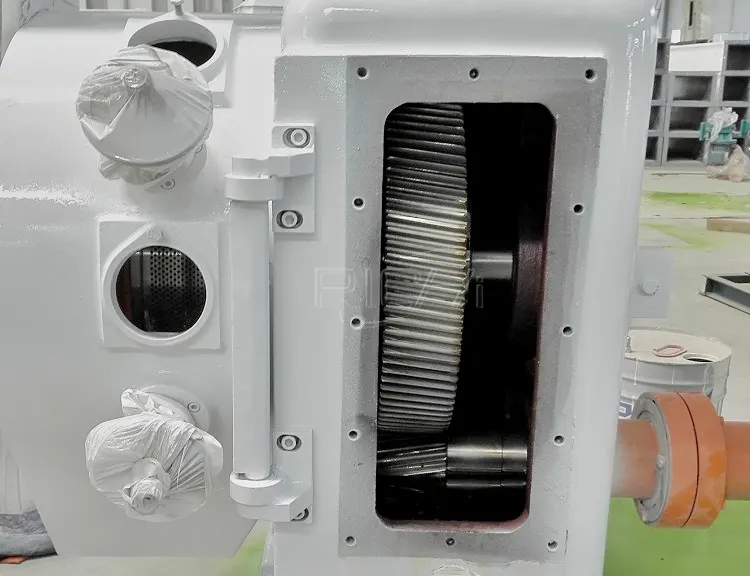
Gear Transmission Box
An efficient gear transmission box paired with a Siemens motor improves transmission efficiency by about 15%.

Models and Application Scenarios
RICHI CZLH miscanthus pellet mills cover a capacity of 0.5-8 t/h and can flexibly match production needs of different scales. Every machine leaving the factory undergoes strict quality inspection and meets ISO, CE, SGS and other certification standards, ensuring long-term stable operation in various production environments.
| Model | Production Output (t/h) | Main Motor Power (kW) | Arch-Breaking Feeder Power (kW) | Forced Feeder Power (kW) | Finished Pellets Diameter (mm) | Application Scenarios |
|---|---|---|---|---|---|---|
| CZLH320 | 0.5-0.6 | 22 | 2.2 | 0.75 | 4-12 | small farm/pilot production |
| CZLH350 | 1.0-1.2 | 37 | 2.2 | 0.75 | 4-12 | small commercial company |
| CZLH420 | 1.8-2.0 | 90 | 3 | 1.5 | 4-12 | medium-sized pellet plant |
| CZLH520 | 2.8-3.0 | 132 | 3 | 1.5 | 4-12 | medium-sized commercial plant |
| CZLH678 | 4.0-5.0 | 200 | 3 | 1.5 | 4-12 | large biomass pellet plant |
| CZLH768 | 6.0-8.0 | 250 | 4 | 1.5 | 4-12 | industrial pellet production line |
Note: Miscanthus pellet mill parameters are for reference only. If your capacity needs exceed the above range, contact RICHI engineers for a custom design.
Applications of Miscanthus Pellets
Where do you plan to use the pellets made by your miscanthus pellet mill, and who will you sell them to? Besides the most common miscanthus biomass fuel pellets, by adjusting equipment configuration (such as adding a conditioner or changing the compression ratio), raw material formula and processing technology, you can also process miscanthus into animal feed, animal bedding, cat litter and organic fertilizer pellets to meet the product needs of different markets.
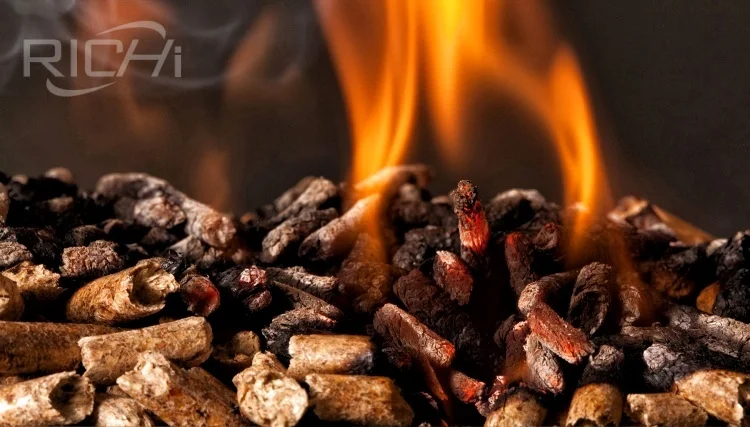
Miscanthus Biomass Fuel Pellet
Miscanthus biomass pellets burn fully with a stable flame and little ash residue, making daily cleaning and maintenance easy. They are also carbon-neutral fuel, in line with the global green transition trend, and a sustainable energy choice with both environmental and economic value.
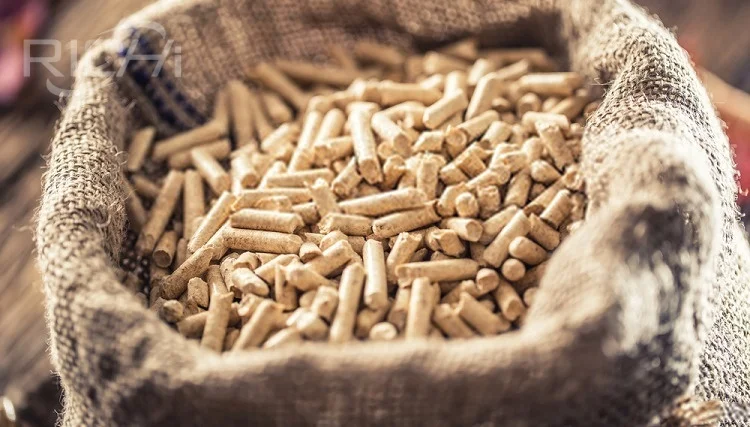
Miscanthus Animal Feed Pellet
Miscanthus is rich in crude fiber and can serve as a fiber ingredient in the diets of ruminants such as cattle and sheep, supplementing the crude fiber in the diet structure. Tender miscanthus leaves, properly combined with corn, soybean meal and other materials, can also be used to make complete animal feed.
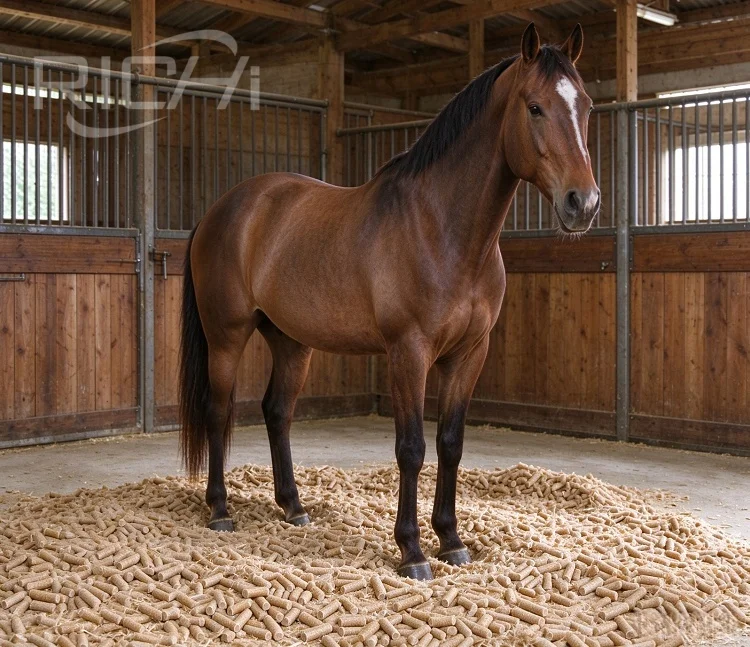
Miscanthus Animal Bedding Pellet
You can also use the miscanthus pellet mill to produce animal bedding for stables and livestock and poultry farms. Miscanthus pellets are easy to spread and clean, and have a natural plant fragrance that animals like.
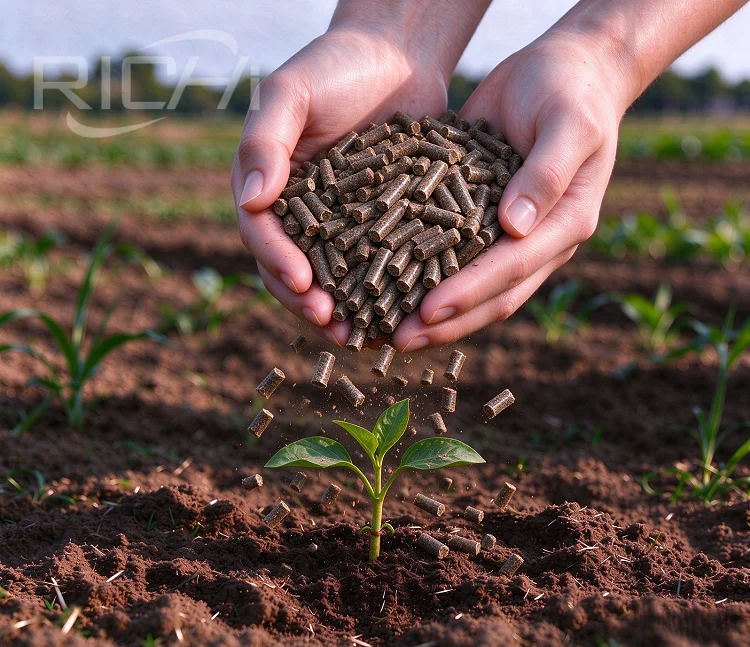
Miscanthus Organic Fertilizer Pellet
By composting and fermenting miscanthus mixed with manure, you can also make organic fertilizer pellets. Miscanthus is rich in organic carbon, and its fiber structure helps adjust the carbon-nitrogen ratio of compost, reduce caking and odor, and improve the quality of the finished pellets.
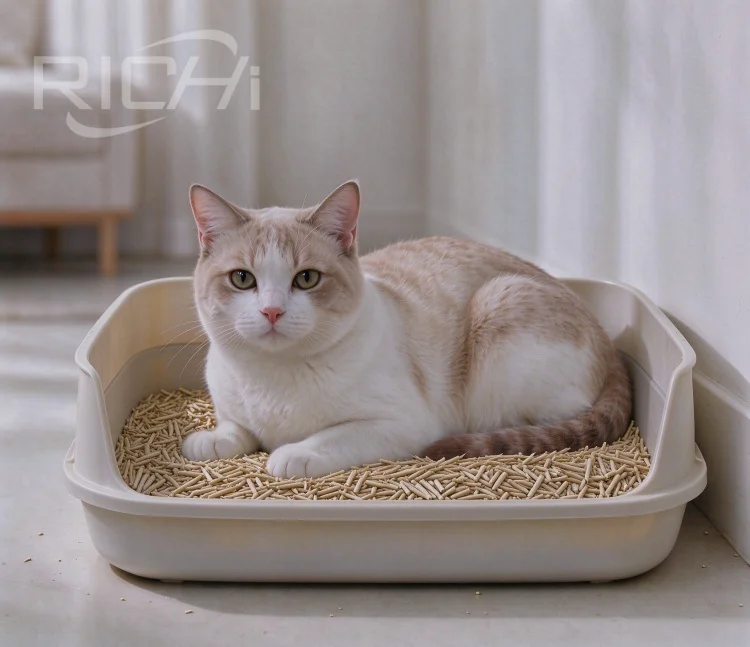
Miscanthus Cat Litter Pellet
Compared with traditional mineral cat litter, plant-based miscanthus cat litter has good water absorption and clumping, does not break easily when scooped, and can be disposed of with household waste after use, degrading naturally without residue. It is also an emerging pellet product in recent years.
Miscanthus Pellet Mill Successful Case
Because raw material conditions and types differ, there is no universal configuration for a miscanthus pellet machine. We design the machine configuration according to the actual situation of your project to ensure stable, long-term operation of the pelletizing project.
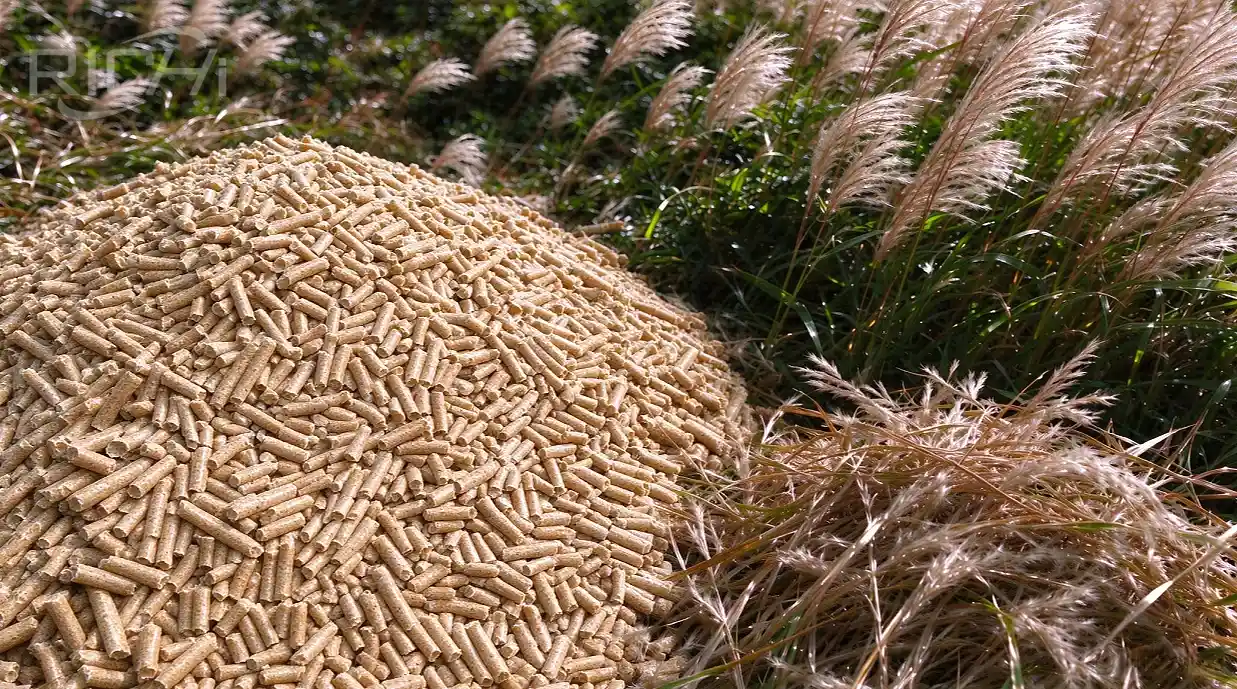
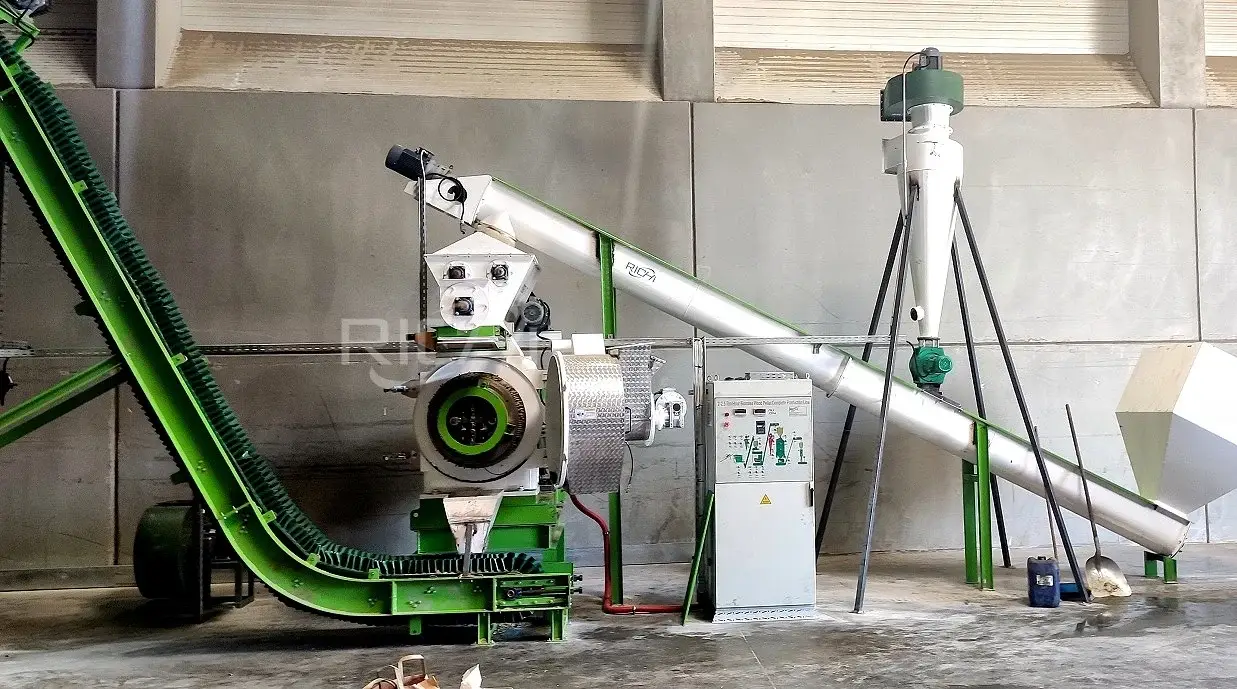
Small Miscanthus Pellet Machine Project in Poland
Raw Materials :
Pure miscanthus, producing 6-8 mm biomass fuel pellets.
Project Solution :
The customer grows miscanthus themselves. We configured a CZLH320 machine for them with a capacity of 0.5 t/h. The small machine does not pursue automation, but it is convenient and simple to operate, making it a low-threshold entry configuration for small miscanthus growers.
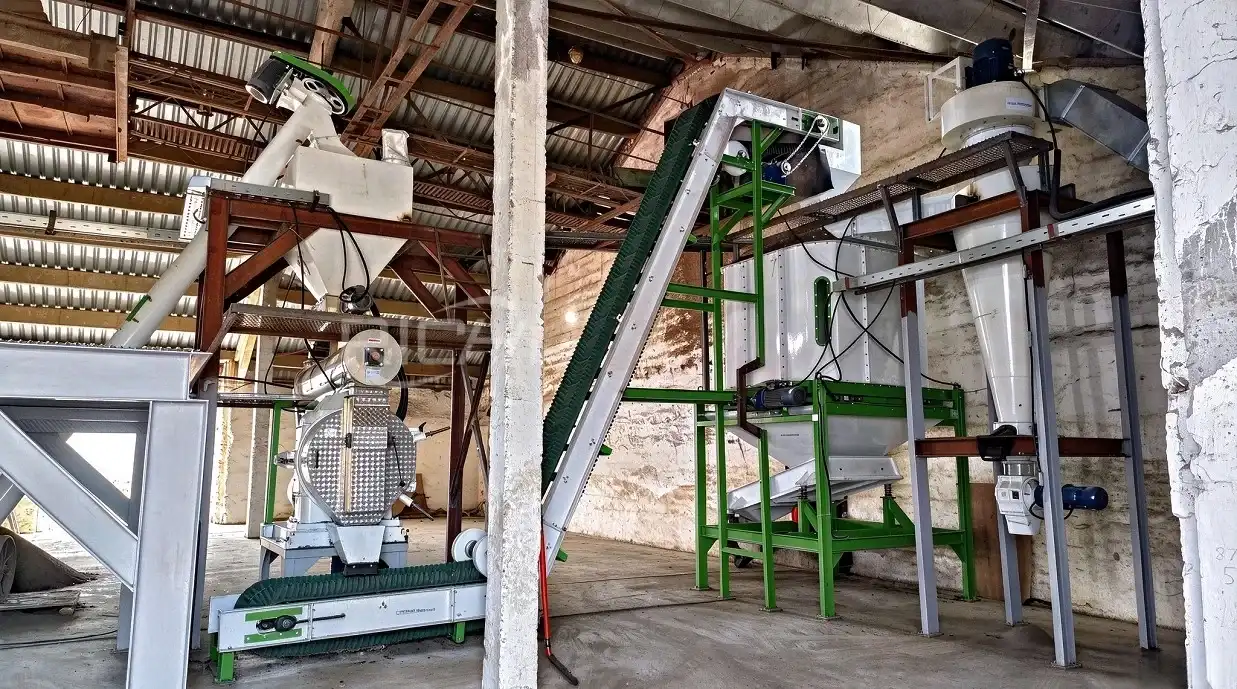
Mixed Miscanthus and Wood Pellet Mill Project in Germany
Raw Materials :
More than 50% miscanthus, mixed with wood chips, leaves, sawdust and starch. Producing 6-10 mm biomass pellets.
Project Solution :
The customer specializes in researching the miscanthus mixed pellet production chain. We recommended the CZLH350 machine and provided supporting equipment such as crushing, drying and dust removal to ensure the uniformity of multiple raw materials and the quality of finished pellets.
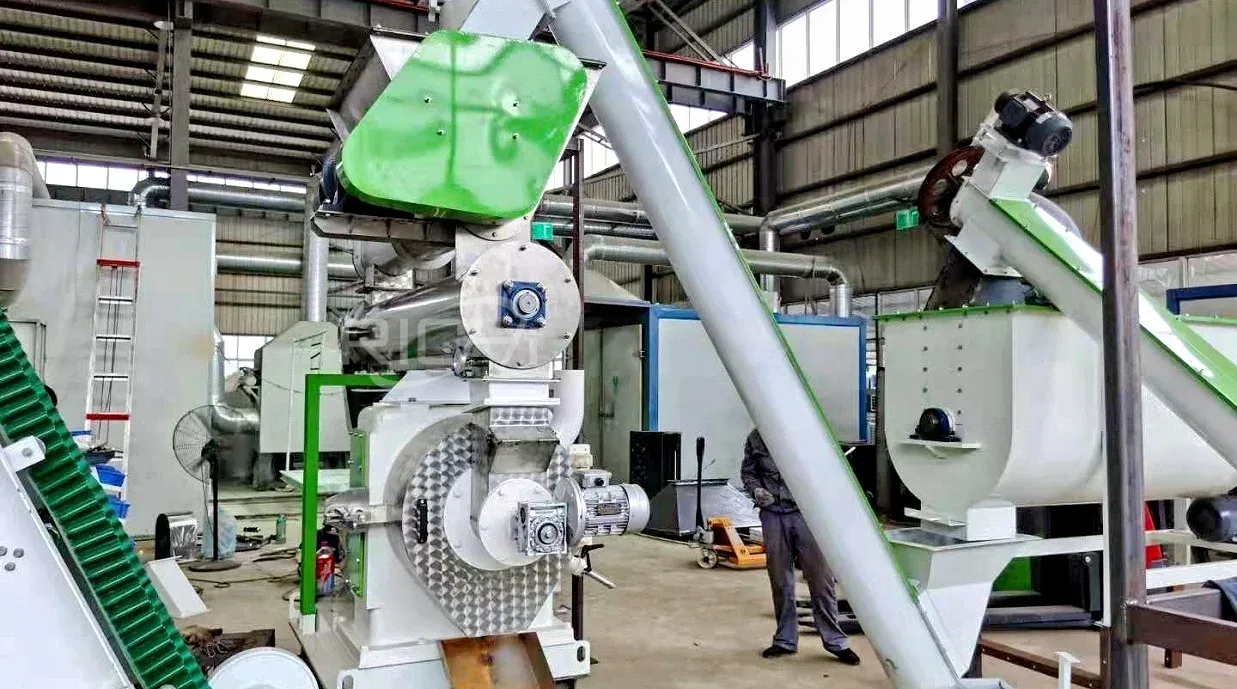
Multi-Application Miscanthus Pellet Mill Project in the USA
Raw Materials :
Self-grown giant miscanthus and purchased surplus hay bales from nearby farms. Producing 6 mm fuel pellets and 10 mm bedding pellets.
Project Solution :
We configured the pellet mill with a quick-release clamp-type ring die, so the customer can change the ring die themselves within half an hour. The pellets are mainly used for home heating, and the machine switches to miscanthus bedding when production is surplus.
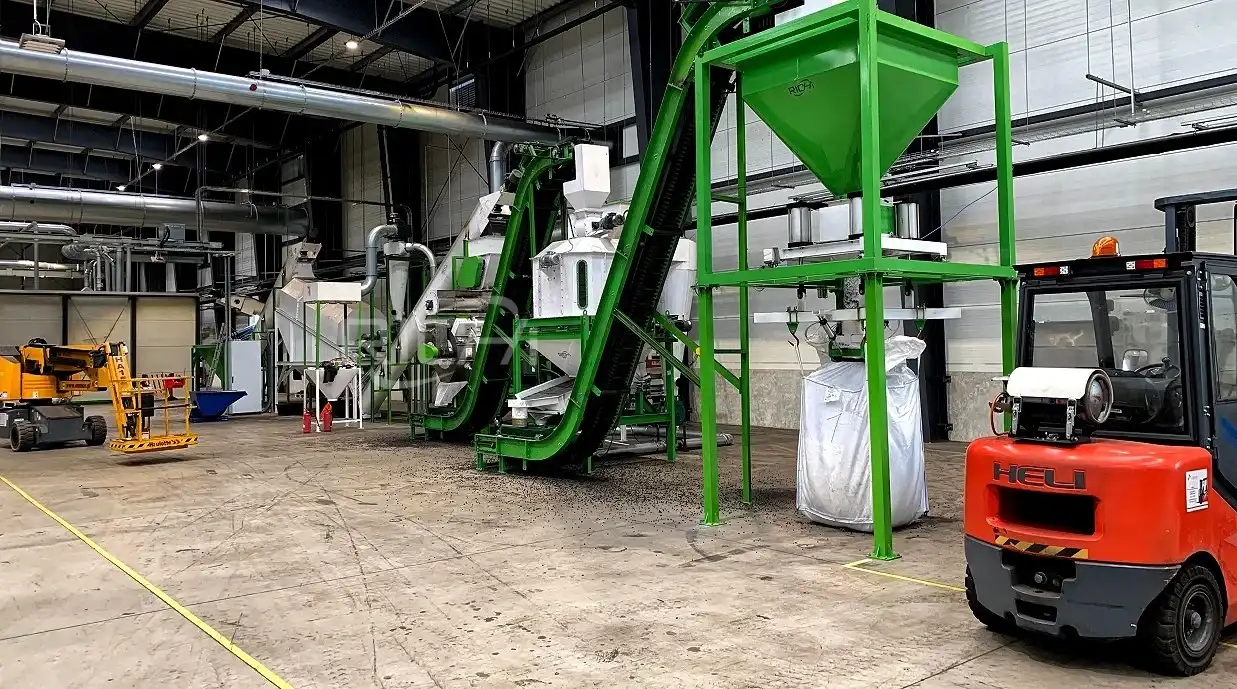
Miscanthus Biomass Pellet Machine Project in the UK
Raw Materials :
Miscanthus, mixed with rice straw. Two sizes, 6/8 mm, used for resort/community-level biomass boiler heating and commercial bagged pellets.
Project Solution :
The customer’s local power supply is unstable. Our ring die and rollers use alloy material, which effectively handles wear from cold starts. In addition, engineers adjusted the ring die compression ratio according to the mixing ratio of miscanthus and rice straw.
Complete Solution for Miscanthus Pellet Production Line
The miscanthus pellet mill is the core equipment of a miscanthus production line. But if you want the main machine to stably produce commercial-grade pellets, you can also contact us to design a complete production line solution.
Crushing
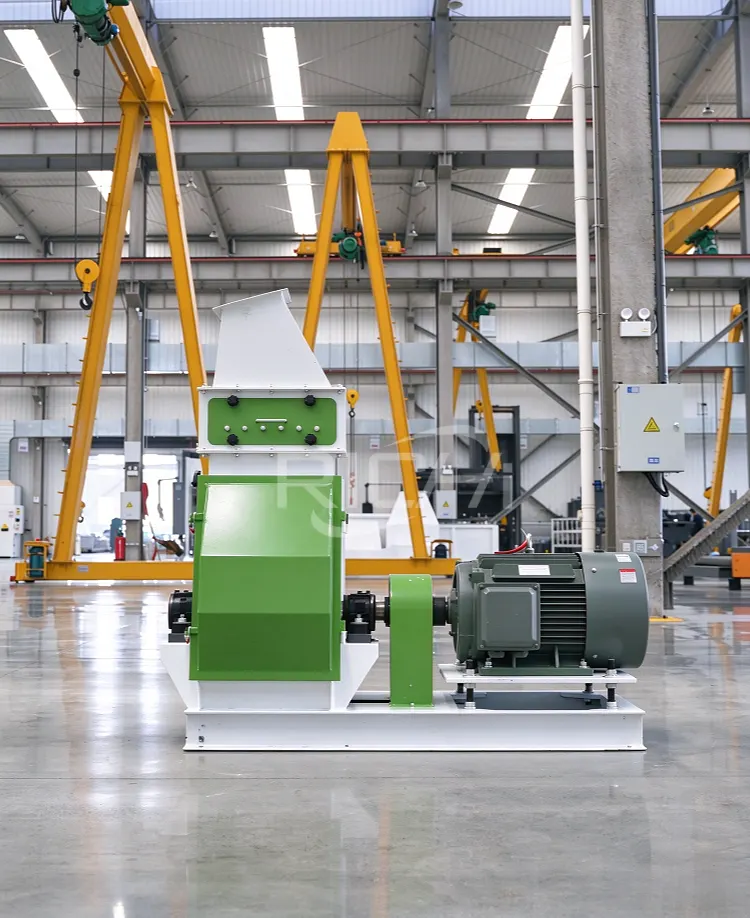
Crushes whole miscanthus plants to a suitable fineness for pressing into pellets.
Drying
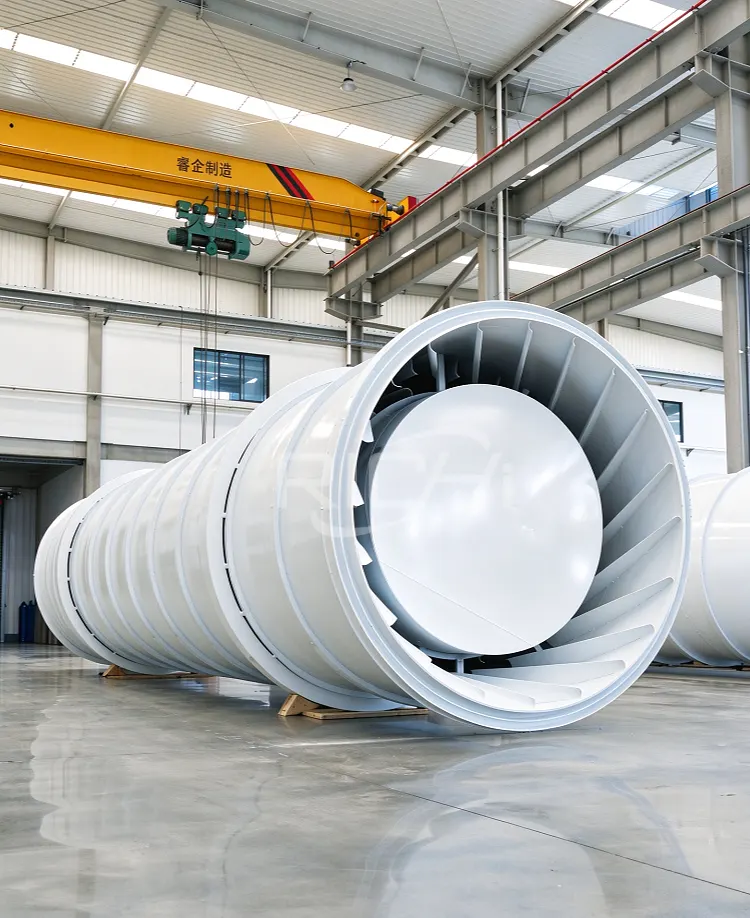
Freshly harvested miscanthus cannot be pelletized directly. A dryer is needed to adjust the moisture to 13-18%, so the pellets bond well and do not break easily.
Pelletizing
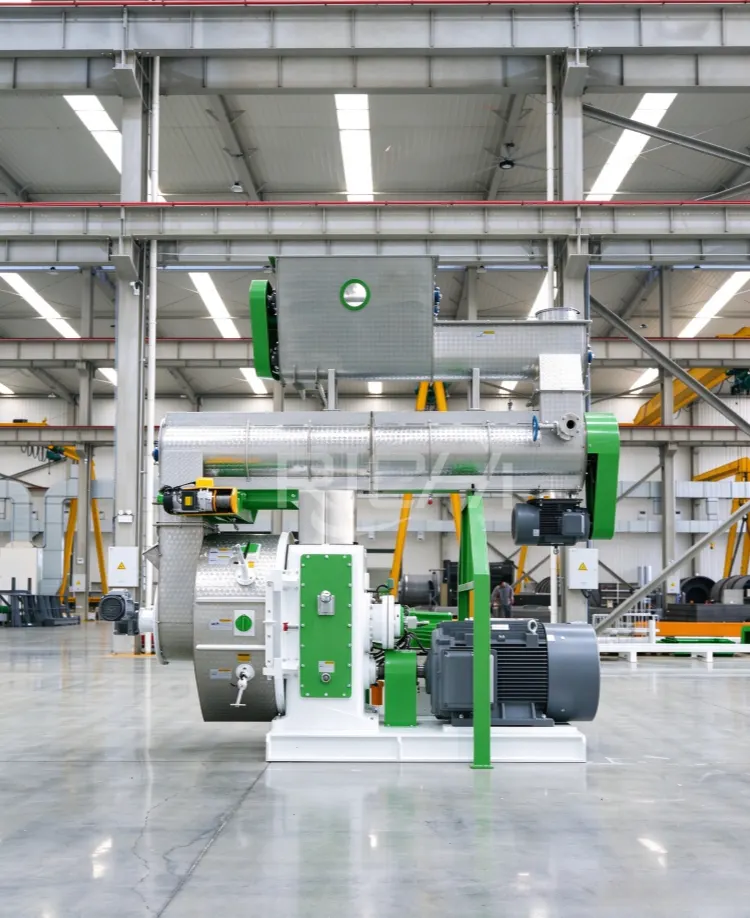
Themiscanthus pellet mill uses the extrusion and friction of ring die and pressure roller to compress raw materials into dense pellets.
Cooling
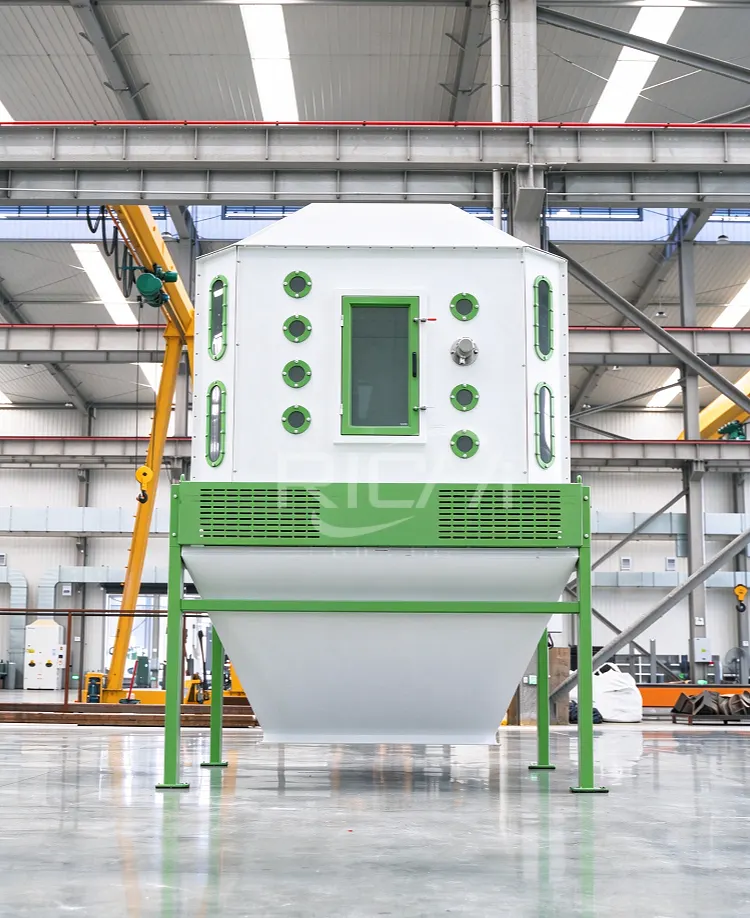
Freshly made pellets contain a lot of moisture and have a temperature of over 80 °C. The cooler quickly lowers the pellet temperature and removes excess moisture.
Screening
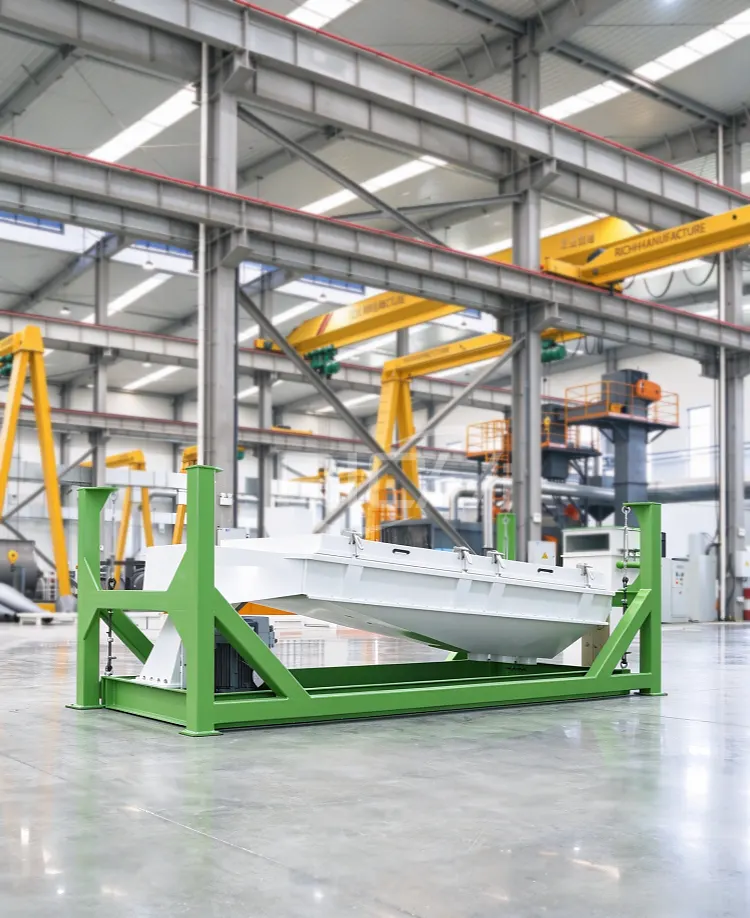
A key step in maintaining miscanthus pellet quality. Larger pellets and powder are screened out, and finished pellets go to the final packaging step.
Packaging
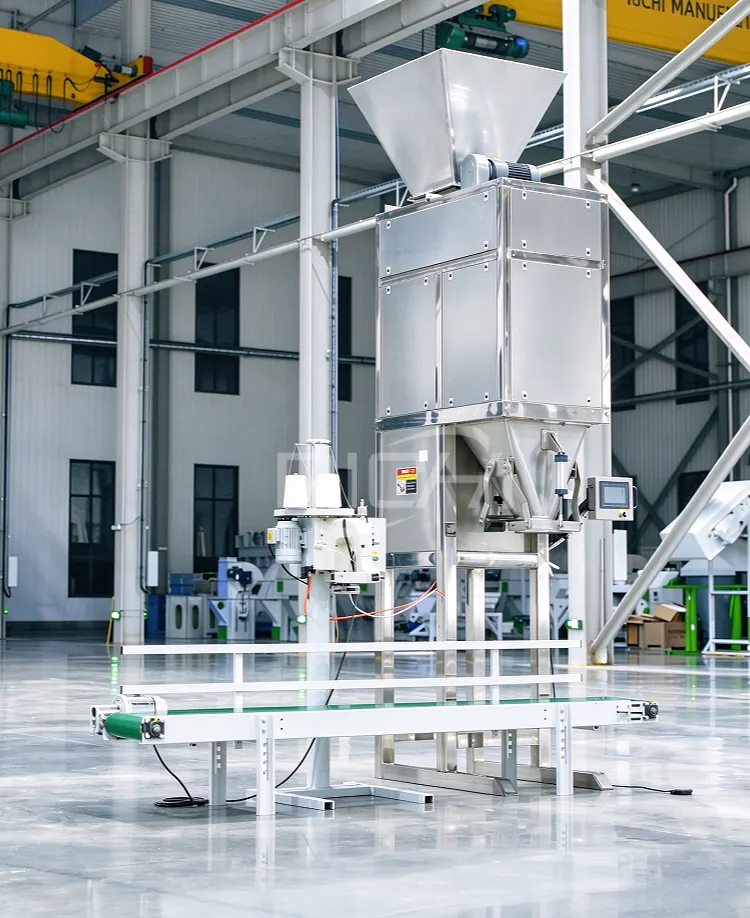
Bagging miscanthus pellets makes transport and storage easier, and good sealing keeps out moisture and extends the storage period of the pellets.
Customer Support Center
We have collected some questions customers often ask about the miscanthus pellet mill, hoping to help you start your miscanthus pelletizing project smoothly.
What is the miscanthus pellet mill price?
→
The machine price ranges from USD 7,500 to 90,000, including the anti-bridging feeder, conditioner, forced feeder, pellet mill and control cabinet. Biomass fuel production does not require a conditioner, and the price varies with configuration.
Can I pelletize miscanthus mixed with straw?
→
Of course. With its excellent pelletizing system, this machine can handle most grass materials and straw materials. The UK customer in the cases section does exactly this.
Is crushing equipment necessary?
→
It depends on the condition of your raw material. A fineness of 3-5 mm is generally suitable for pelletizing. If your raw material meets the requirement, crushing equipment is not needed.
How long do the ring die and rollers last? Do you provide spare parts?
→
The ring die and rollers are in long-term contact with miscanthus and wear heavily. We use high-wear-resistant alloy material with deep carburizing treatment, so their service life is longer than common materials on the market and can reach 1,000 hours under normal working conditions. Spare parts can be ordered at any time.
What should I do after receiving the machine? Do you provide installation and commissioning?
→
No need to worry. We provide installation, commissioning and staff training. As agreed in the contract, engineers go to the site to guide equipment positioning, wiring and pipeline connection, complete no-load single-machine testing and loaded trial operation of the whole line, and hand over only after confirming that capacity and pellet quality meet the standard. At the same time, they train operators in start-up sequence, feed control, ring die and roller replacement and daily maintenance, ensuring your own team can run it independently.
How long is the warranty period for the miscanthus pellet mill?
→
The whole machine has a one-year warranty, and the ring die and rollers have a 6-month warranty. Lifetime technical support is provided after the warranty period ends.

