
Paper Pellet Mill

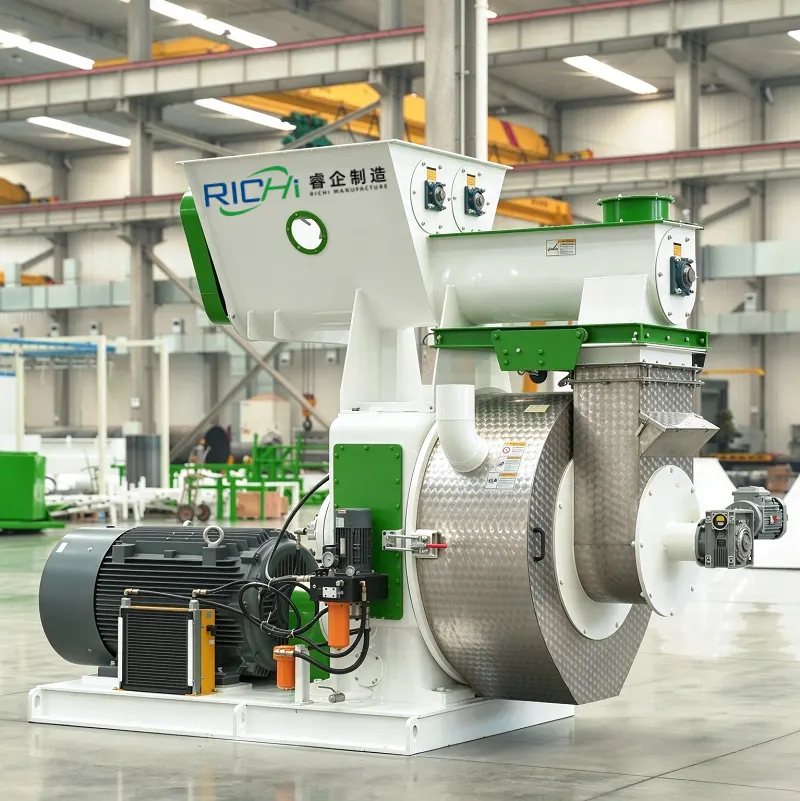
Paper Pellet Mill for Sale
The waste paper pellet mill uses a heavy-duty ring die pelletizing structure. It requires no steam conditioning. The mechanical extrusion between the ring die and the rollers alone can process paper-based materials into pellets.
The equipment can handle a wide range of paper raw materials, including everyday recycled paper such as newspapers, office waste paper, kraft paper, and corrugated paper, as well as industrial paper types such as cardboard, pulp waste, and mixed paper fibers generated during recycling.
We offer customized single-machine equipment and production line solutions to help you start your paper pellet project with confidence. You are welcome to contact RICHI experts.
Capacity: 0.2-4 T/H
Pellet Size: 4-12 mm
What Can You Make With a Paper Pellet Mill?
After pelletizing, waste paper can be used not only as fuel but also, depending on raw material properties and finished product requirements, in cat litter, animal bedding, and other fields. This gives your waste paper utilization project multiple product options.

Biomass Fuel
Waste paper has a high fiber content. Once compressed into pellets, it has relatively low ash content, burns quickly, and releases a large amount of heat. It is suitable for residential heating, industrial boilers, biomass stoves, alternative fuels, and similar applications.
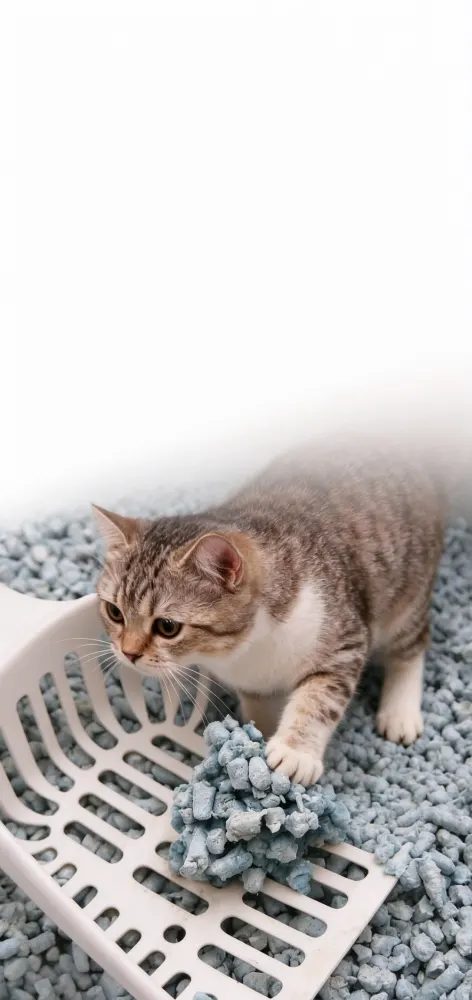
Cat Litter Pellets
The biggest advantages of making cat litter pellets from waste paper are their light weight and low dust, along with relatively fast water absorption. They are also friendly to cats’ respiratory tracts, so their popularity in the cat litter market is growing.

Pet Bedding
Paper pellets can be used as cage bedding for small pets such as rabbits, hamsters, and guinea pigs, and also in animal housing facilities such as horse stables. They absorb moisture from animal waste and keep the raising environment dry and clean.
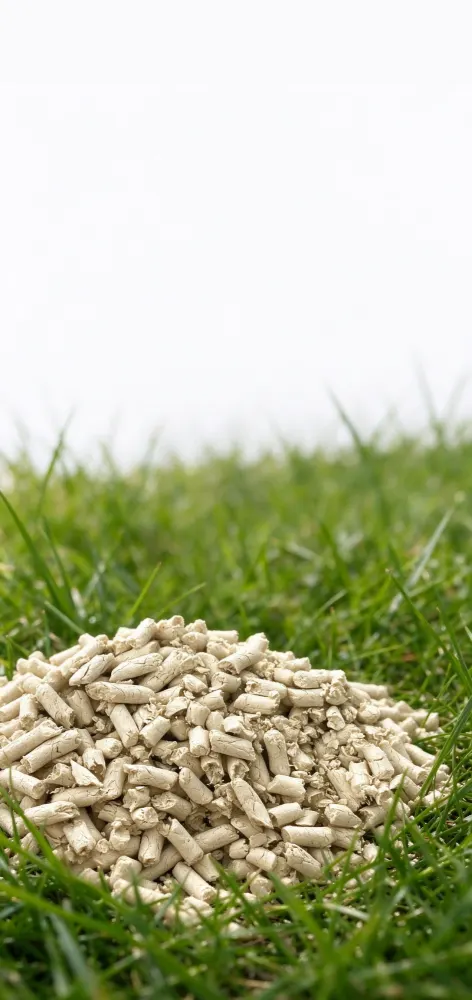
Additional Uses
Paper pellets with suitable liquid absorption capacity can also absorb water and some non-hazardous liquids from industrial workshop floors. Where use requirements are met, they can also serve as packaging filler or a carbon source for composting.
How Does a Paper Pellet Mill Work?
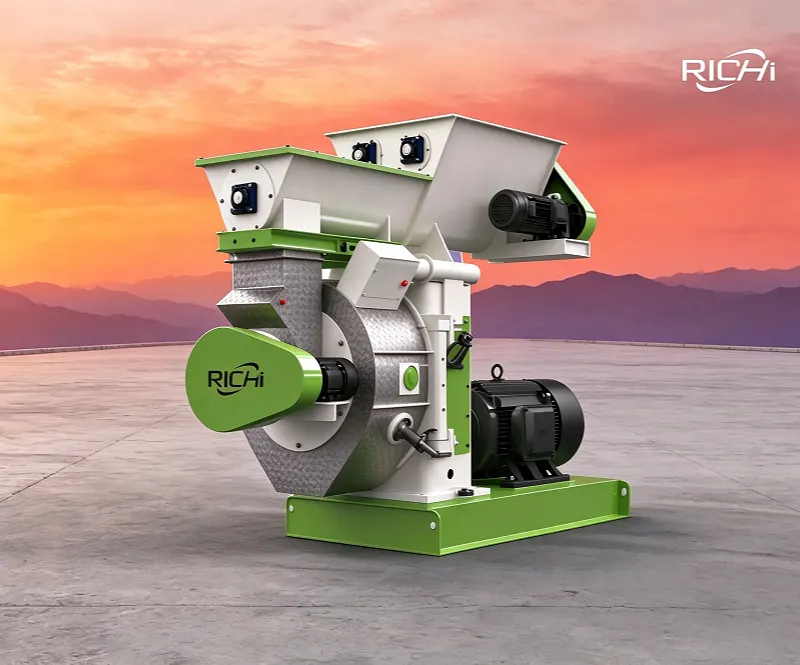
During the process of pressing waste paper into pellets, the rollers and ring die play the core role, while the feeding system, cutter, motor, and other parts work together. Understanding the pelletizing process helps you better grasp the key performance indicators when choosing equipment.

01
Feeding
The processed waste paper raw material is first fed into the paper pellet mill. Under the action of the variable-frequency feed motor and the forced feeder, it is fed evenly and steadily into the pelletizing chamber.
02
Pelletizing
After entering the pelletizing chamber, the raw material is forced by the rotating rollers into the holes of the ring die.
Under the combined effect of extremely high mechanical pressure and heat generated by friction, the paper fibers soften quickly and interweave and bond with each other.
They finally pass through the die holes and form cylindrical strips with a smooth surface and uniform texture.
03
Cutting
You can adjust the distance between the cutter and the ring die surface according to actual needs, thereby flexibly controlling pellet length. The cutter cuts the strips precisely, and the final dense finished paper pellets are obtained.

Machine Models and Technical Specifications
How much waste paper do you need to process? What pellet specifications do you want to produce? RICHI offers multiple paper pellet mill models. You can check the parameter table to preliminarily determine the equipment suitable for your production needs.
| Model | Production Output (t/h) | Main Motor Power (kW) | Arch-Breaking Feeder Power (kW) | Forced Feeder Power (kW) | Ring Die Diameter (mm) | Finished Pellets Diameter (mm) |
|---|---|---|---|---|---|---|
| MZLH320 | 0.2-0.3 | 22 | 2.2 | 0.75 | 320 | 4-12 |
| MZLH350 | 0.3-0.5 | 37 | 2.2 | 0.75 | 350 | 4-12 |
| MZLH420 | 1.0-1.2 | 90 | 3 | 1.5 | 420 | 4-12 |
| MZLH520 | 1.5-2.0 | 132 | 3 | 1.5 | 520 | 4-12 |
| MZLH678 | 2.5-3.0 | 200 | 3 | 1.5 | 673 | 4-12 |
| MZLH768 | 3.0-4.0 | 250 | 4 | 1.5 | 762 | 4-12 |
Note: Not all paper-based raw materials can achieve the same output. Actual production capacity also depends on raw material condition, moisture content, and pellet specifications. For specific information, you can contact RICHI engineers.
Key Components for Stable Paper Pellet Mill Operation
Paper-based raw materials are light, bulky, and poor in flowability. RICHI has made targeted optimizations to key components to ensure stable and reliable pelletizing.
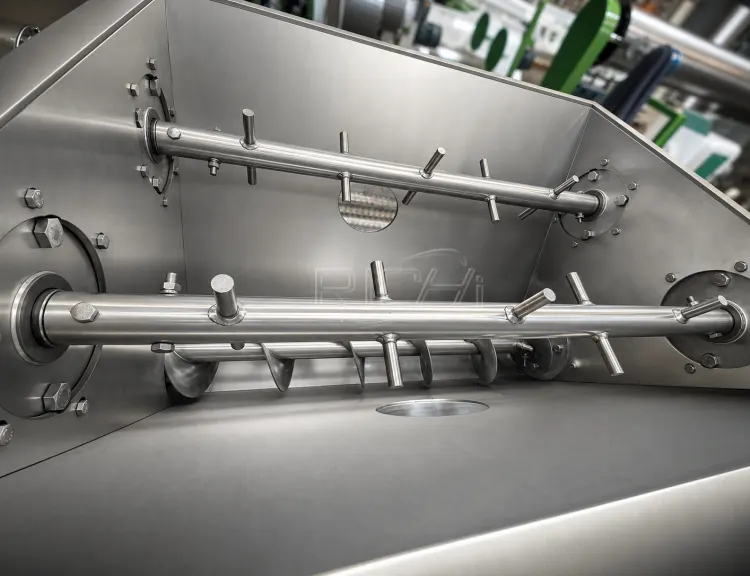
Anti-Bridging Feeding System
Crushed paper fibers easily bridge and block in the silo. The anti-bridging device reduces accumulation at the feed inlet and works with the adjustable-speed feeding mechanism to control the feed rate, allowing material to enter the pelletizing chamber evenly.
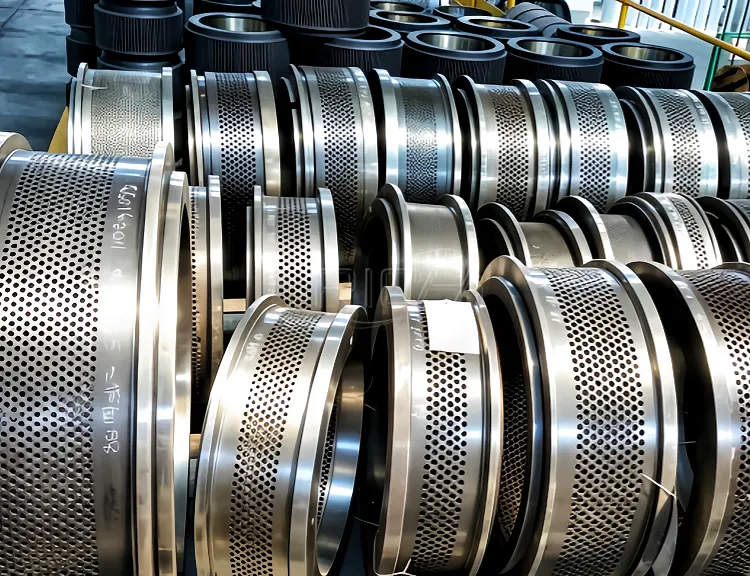
Wear-Resistant Ring Die
The ring die is made of high wear-resistant alloy material and undergoes deep carburizing and quenching treatment, significantly improving surface hardness and wear resistance. Die holes of 4–12 mm can be matched, adapting to different paper materials.
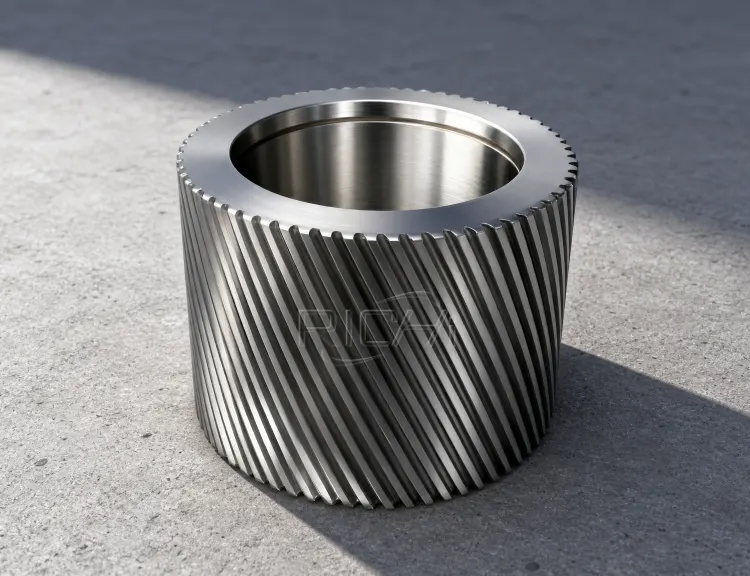
High-Strength Rollers
High-strength wear-resistant alloy steel is used, with an eccentric shaft clearance adjustment structure. It has strong load capacity and good wear resistance, and ensuring continuous compaction and forming of paper fibers.
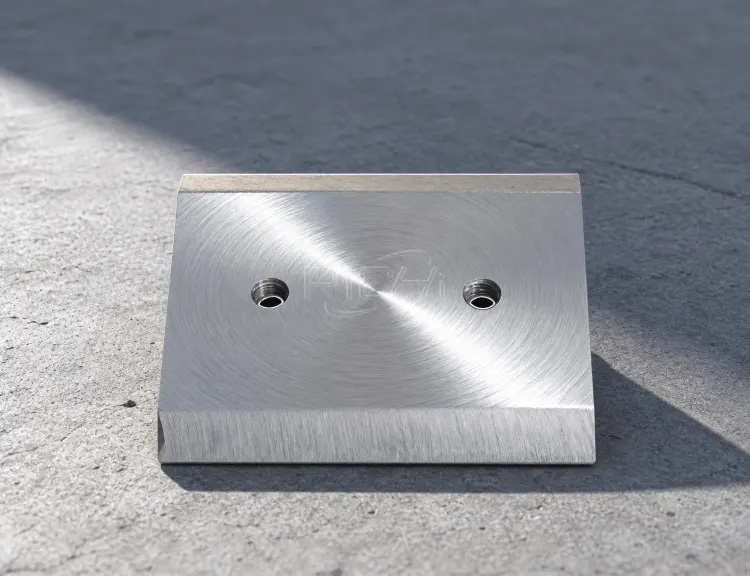
Adjustable Pellet Cutter
The distance between the cutters on both sides of the ring die is adjustable, so pellet length can be flexibly adjusted according to the use of paper pellets. The cut paper pellets are uniform in size with smooth, burr-free cuts.
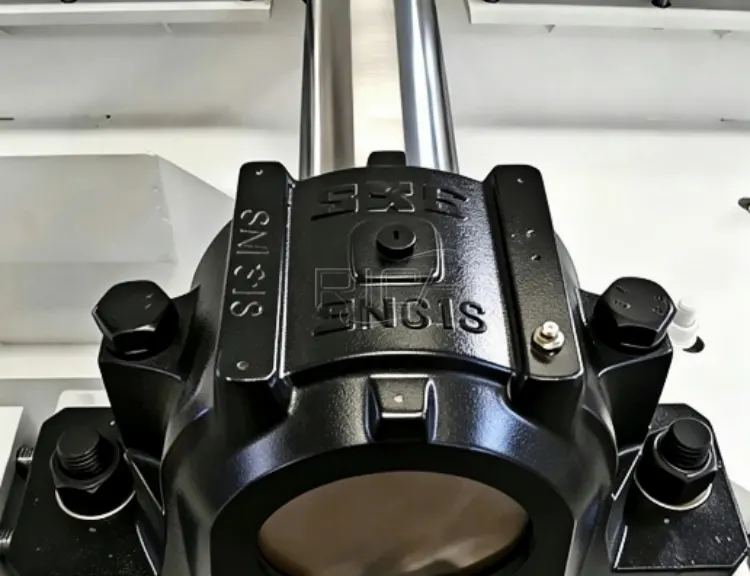
High-Stability SKF Bearing
The key transmission parts of the paper pellet mill use SKF bearings. Even when feed conditions and compression resistance fluctuate, they provide stable support for rotating parts, reduce transmission friction and operating vibration.
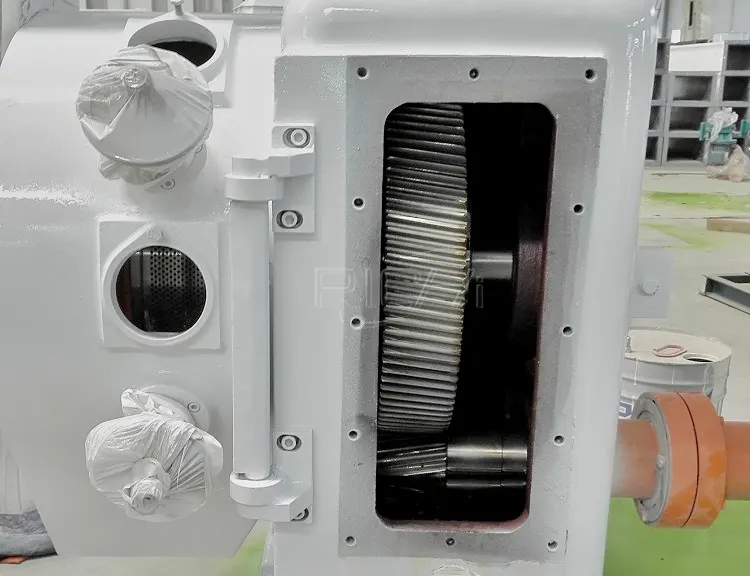
Heavy-Duty Transmission System
The gear transmission box is paired with a high-efficiency Siemens motor. It can effectively handle load fluctuations caused by changes in moisture content of paper-based raw materials during pelletizing, meeting continuous production requirements.
Which Paper Pellet Mill Is Right For Your Project?
Equipment that suits others may not suit your project, because every project differs in raw materials, pellet use, capacity, budget, and more. So how do you choose the right machine? Consider the following four aspects.
Start With Your Paper Raw Materials
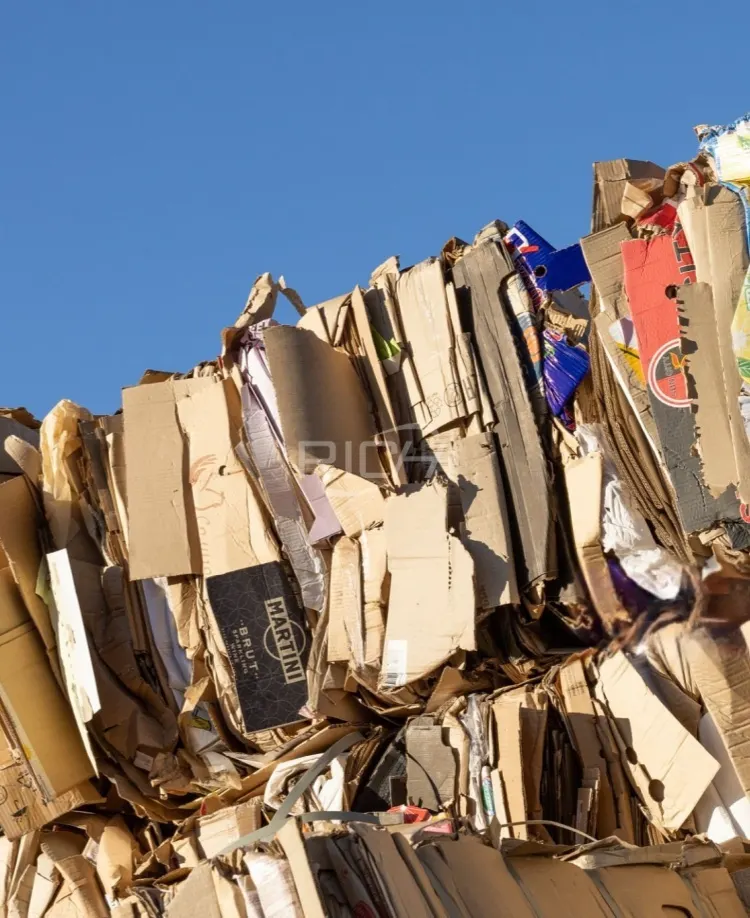
Understanding raw material condition is the first step in selecting equipment and determining the pre-treatment process.
Will you use newspapers, office waste paper, corrugated cardboard, or pulp waste? Different paper-based raw materials differ in fiber length, moisture content, and bulkiness, and they also have different requirements for equipment configuration.
For example, waste paper that has already been crushed and reaches a suitable moisture content can be considered for direct entry into pelletizing. Large cardboard pieces need to be crushed first, while high-moisture pulp may need dewatering or drying.
What Paper Pellets Do You Want to Make
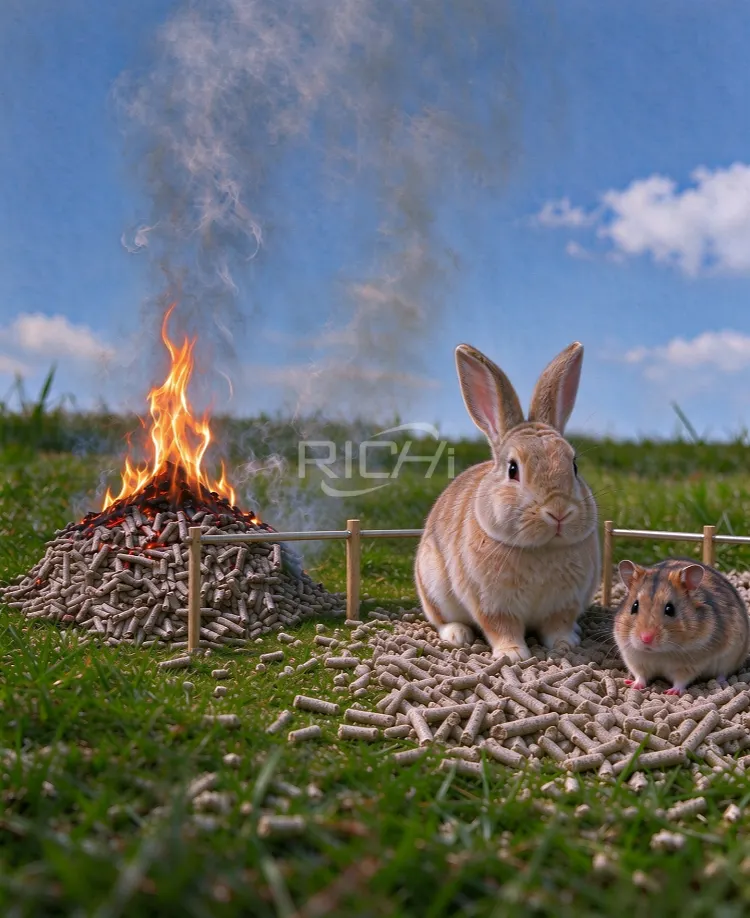
Although biomass fuel pellets, cat litter, and animal bedding can all be processed with a paper pellet mill, their requirements for the finished product are not the same.
Fuel pellets need attention to combustion performance, ash content, and pellet strength. Cat litter focuses more on water absorption, dust control, and safety in use. Animal bedding requires consideration of liquid absorption capacity, pellet specifications, and ease of cleaning.
When selecting a model, determine the appropriate pellet diameter, length, and process configuration based on the finished product use.
Choose Capacity Based on Your Production Goal
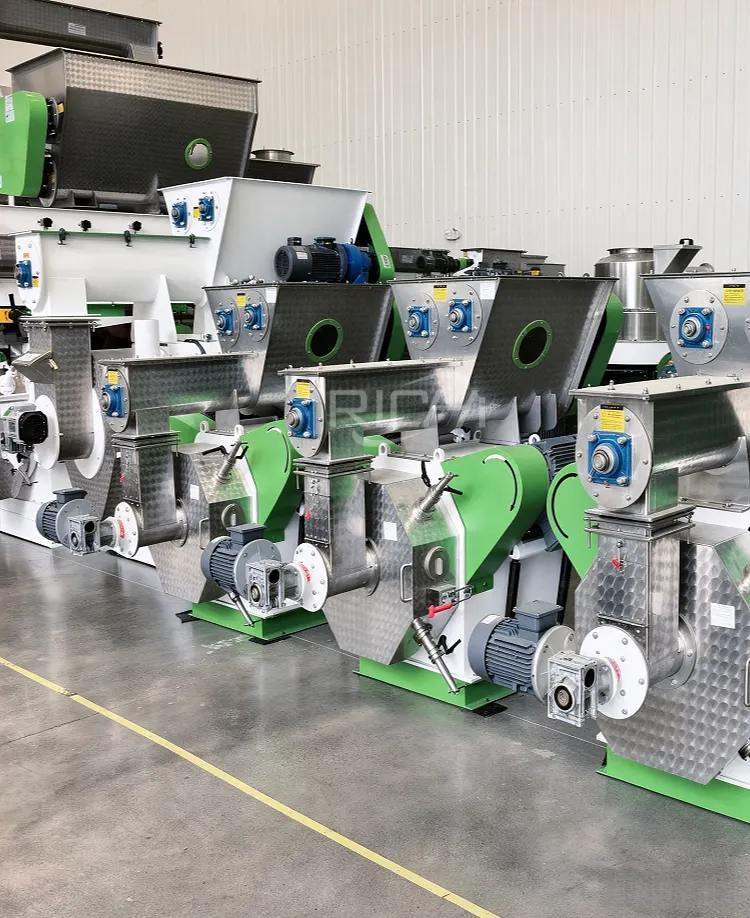
Matching the pellet mill’s processing capacity to actual production needs reduces equipment idleness or insufficient capacity.
RICHI paper pellet making machines cover a capacity range of 0.2–4 t/h. Small waste paper recycling or pellet processing projects can consider MZLH320/350. Medium-sized commercial production can refer to MZLH420. For higher-output industrial projects, select a suitable model based on daily raw material supply, planned operating hours, and target output.
Set Your Budget and Configuration
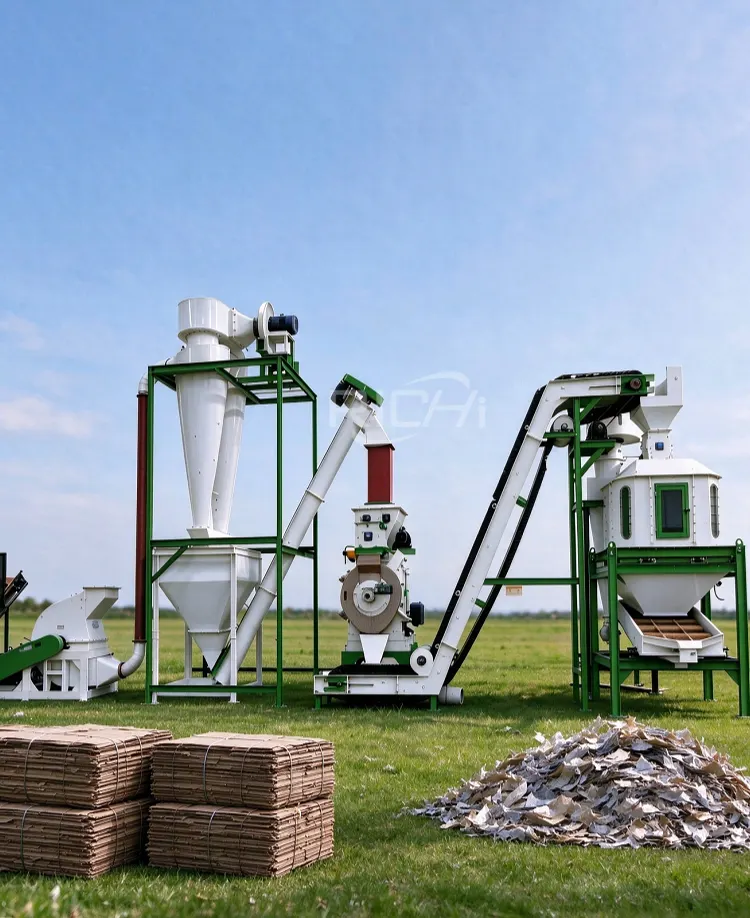
Whether your budget covers only one paper pellet mill or a complete production line makes a big difference in investment scope.
If you already have crushing, drying, and other equipment, and the material already meets pelletizing requirements, you can prioritize a single-machine solution.
If you start processing from raw waste paper, you usually also need to configure a crusher, drying equipment, cooler, screener, and packaging machine.
Paper Pellet Mill Projects in Practice
RICHI has provided pellet production equipment and supporting solutions to customers in more than 140 countries and regions worldwide. Below are some paper pellet machine project cases. You can see how different customers chose equipment based on raw material conditions, capacity needs, and finished product use, and use them as a reference for your own project planning.
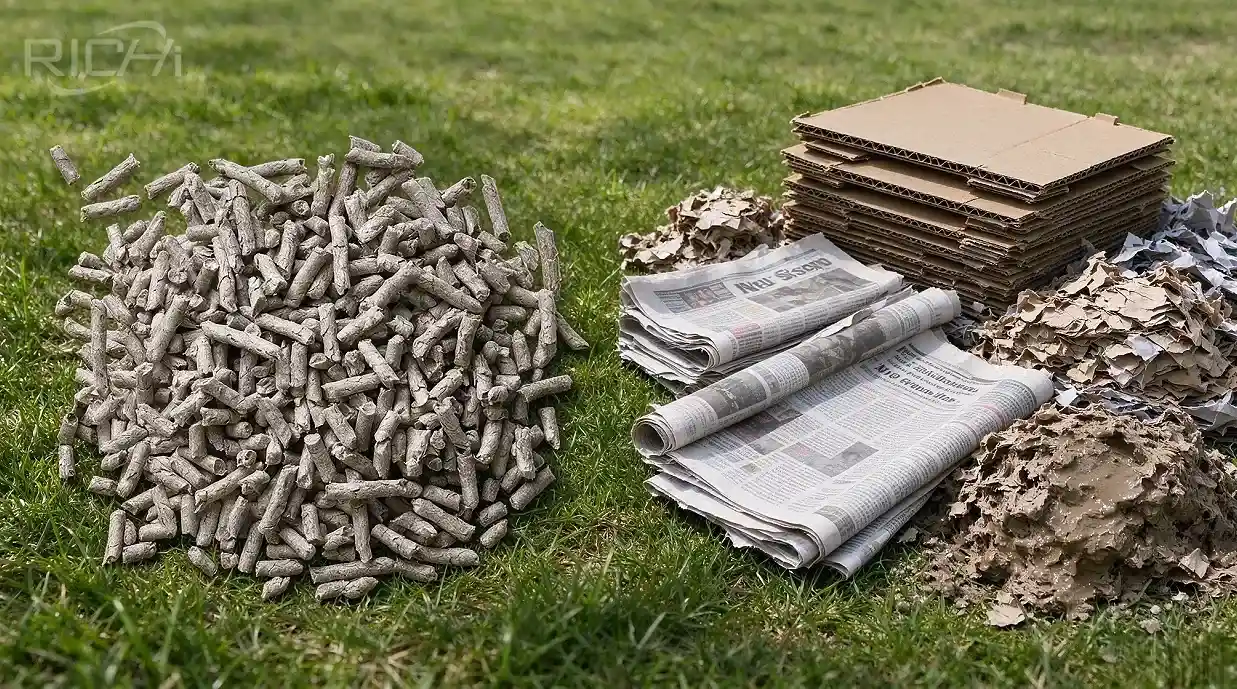
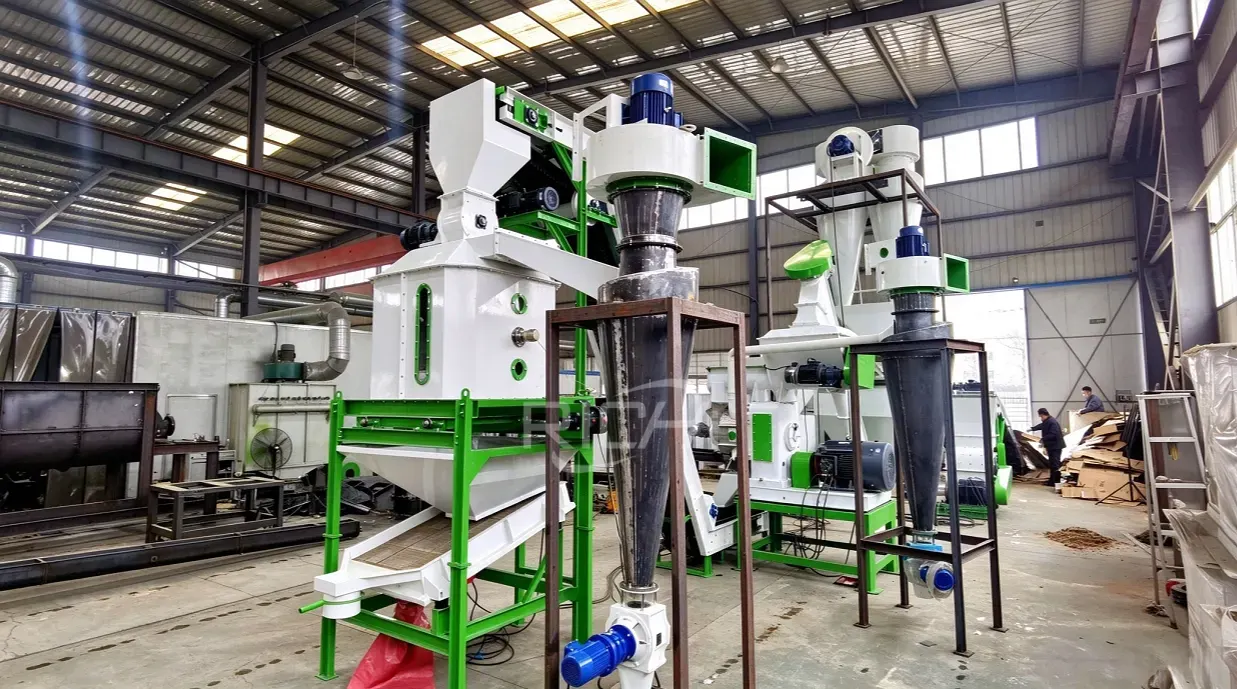
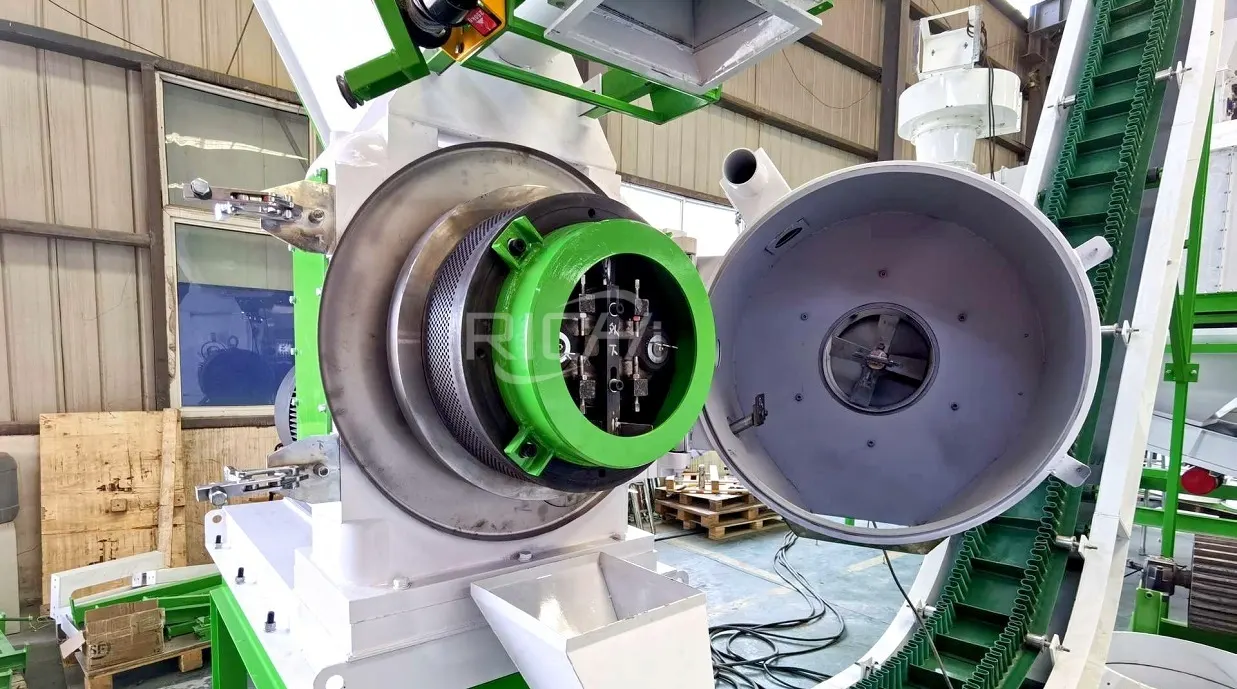
Small Paper Pellet Mill Project in Mauritius
Raw Materials :
mixed waste paper, including waste cardboard boxes, waste newspapers, and packaging paper. Producing biomass fuel pellets, capacity 0.5 t/h.
Project Solution :
The customer is a local waste paper recycling plant. The waste paper used to be baled and exported. They purchased a RICHI MZLH350 machine to process mixed waste paper into pellets for local small boilers.
Paper Cat Litter Pellet Mill Project in Indonesia
Raw Materials :
selectively using a clean paper stream rather than all mixed waste paper. Producing non-clumping paper cat litter.
Project Solution :
The most special point of this project is that increasing compression does not equal making good cat litter. Greater compression can make pellets firmer, but it sacrifices water absorption. RICHI engineers conducted trial runs based on the customer’s raw material formula and finally helped the customer adjust the appropriate compression ratio data.
Commercial Paper Pellet Maker Project in the United States
Raw Materials :
mainly clean waste cardboard, with a small amount of uncoated clean waste paper mixed in to improve bonding and combustion. Producing biomass fuel pellets, capacity 6 t/h.
Project Solution :
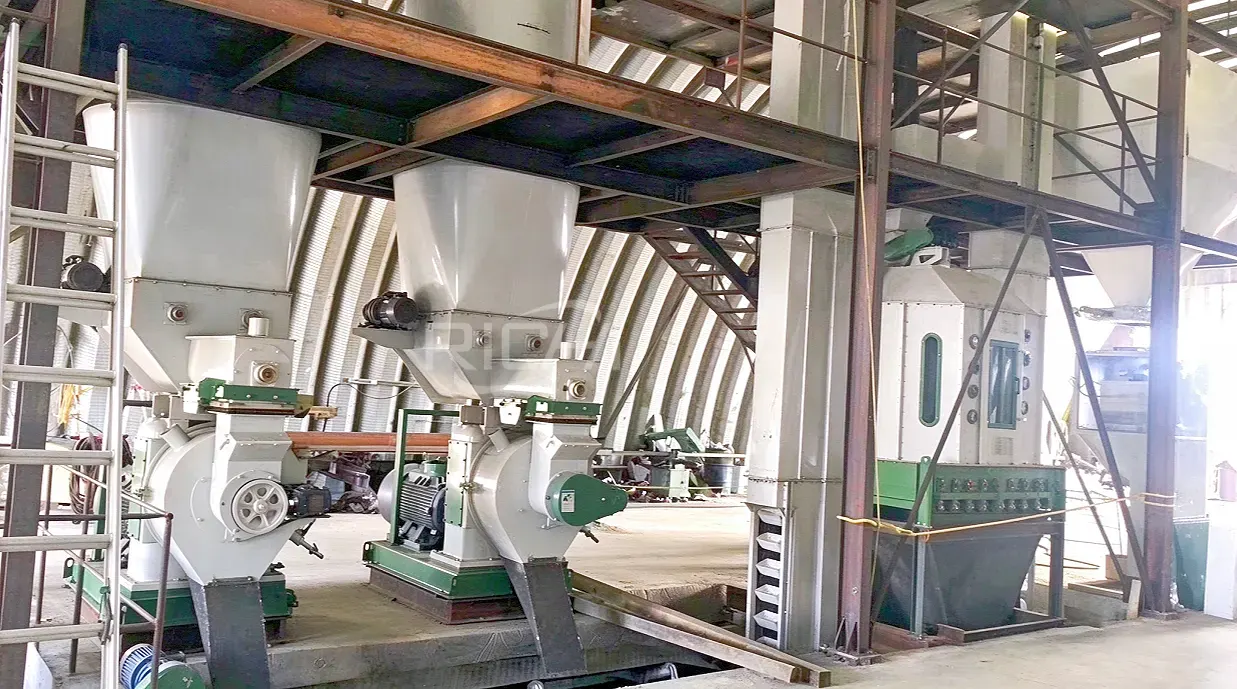
We designed a dual-machine parallel solution with MZLH768. The production line was connected to the customer’s existing crushing and drying system, and we helped the customer adjust the ring die compression ratio to suit recycled fiber characteristics.
Paper Pellet Mill for Sale in Italy
Raw Materials :
post-consumer waste paper and cardboard fiber, boiler fuel, 2.5 t/h.
Project Solution :
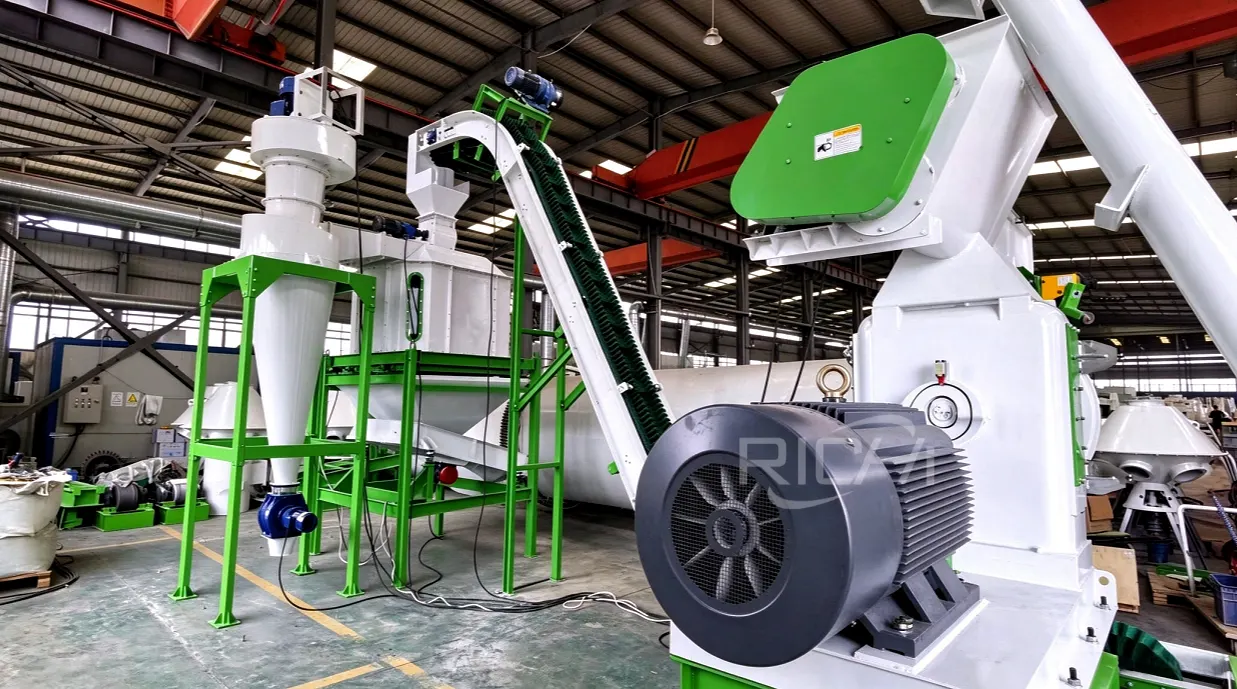
RICHI configured an MZLH678 pelletizer for the customer, including a ring die with 10 mm die holes. A dust removal system was equipped to reduce dust emissions during production. A full delivery package including on-site installation and commissioning and operator training was also provided.
How to Set Up a Paper Pellet Production Line
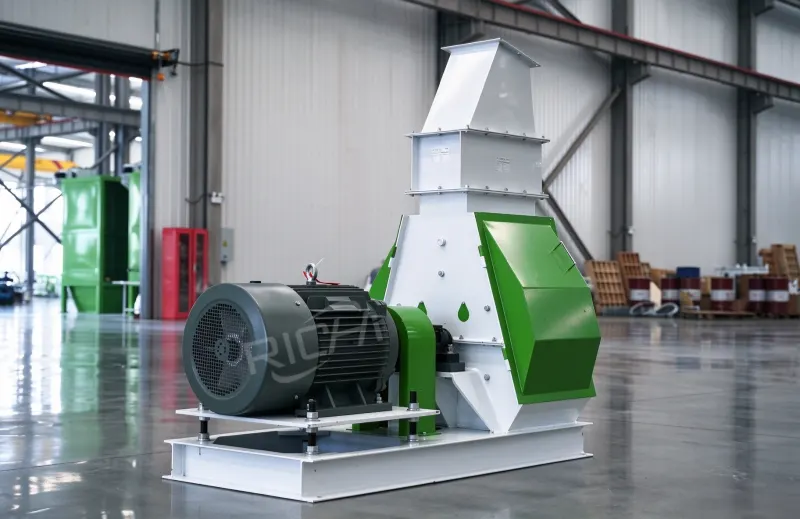
Crushing Waste Paper Material
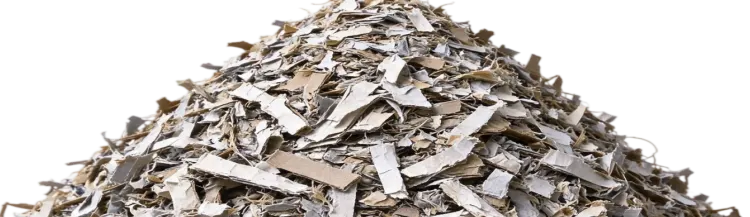
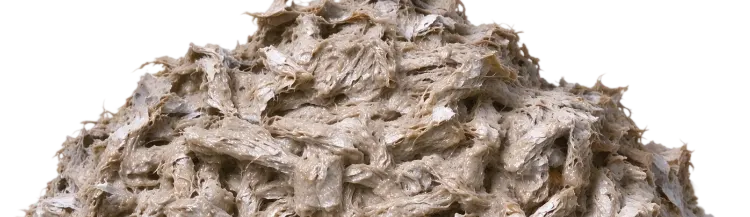
Waste cardboard boxes, corrugated cardboard, and large pieces of packaging paper cannot enter the pellet mill directly. They need to be processed by a crusher into 3–5 mm paper pieces to facilitate subsequent feeding and pelletizing.
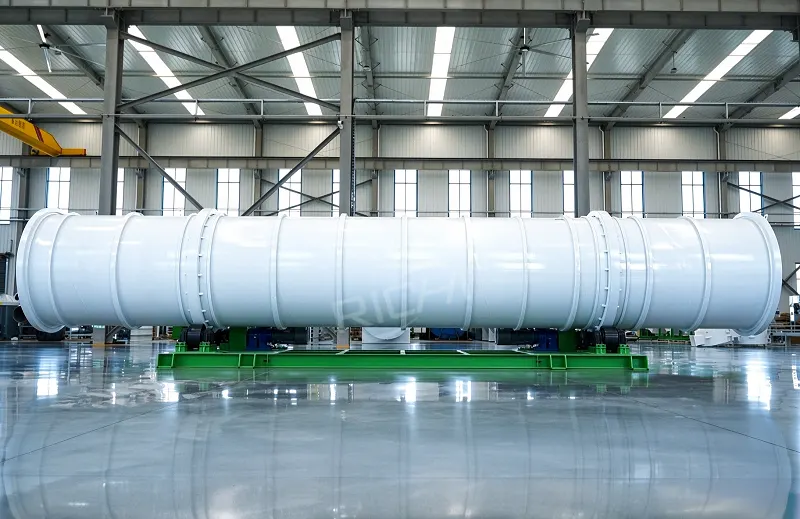
Drying Waste Paper Material
Waste paper from different sources varies greatly in moisture content. Generally, a material moisture content of 12%–18% meets pelletizing requirements. Pulp waste or wet waste paper with higher moisture needs to go into a dryer first to adjust moisture.
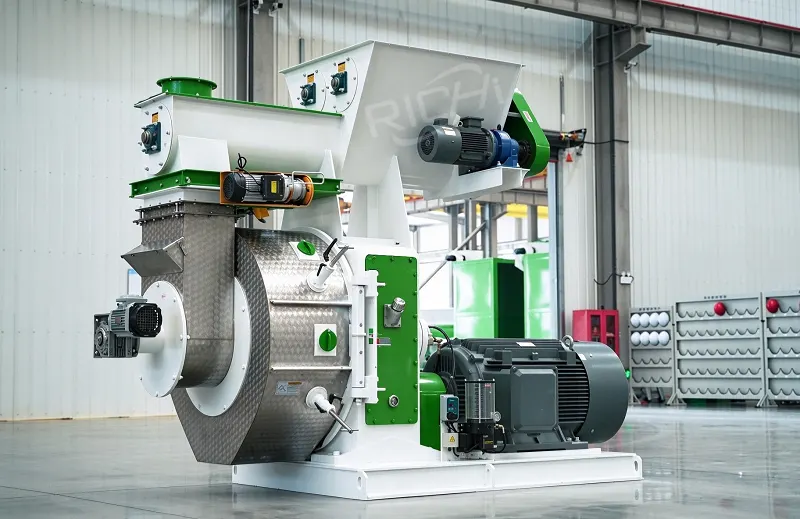
Pressing Waste Paper Into Pellet
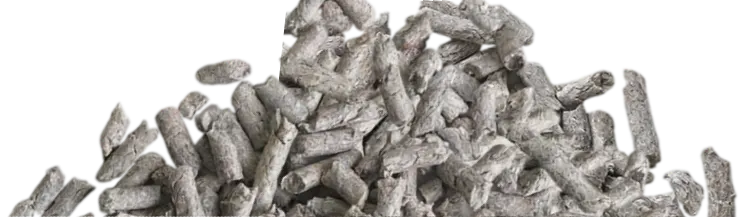
Pre-treated paper fibers enter the paper pellet mill and are pressed into pellets. The quick-release clamp ring die allows you to complete replacement within half an hour, producing 4–12 mm pellets.
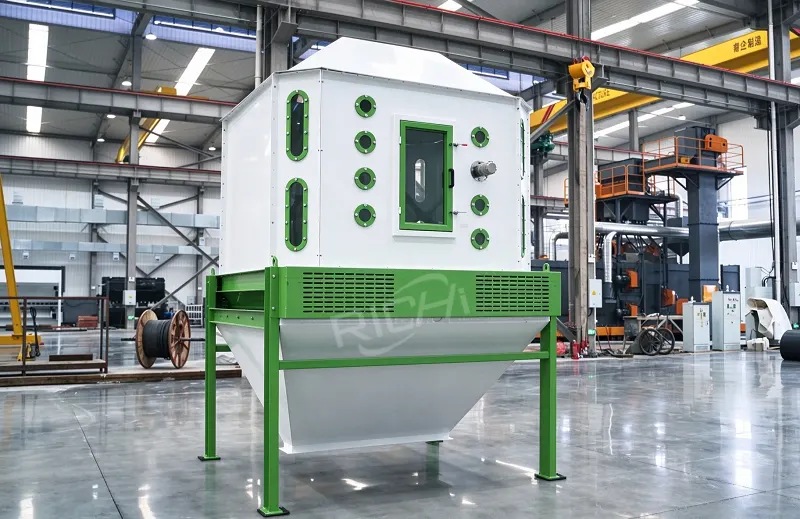
Cooling Paper Pellet
Pellets just discharged from the pellet mill have a temperature of 70–80 °C, and their condition is unstable. A counterflow cooler can quickly reduce pellet temperature to around room temperature and carry away excess moisture.
Screening Paper Pellet
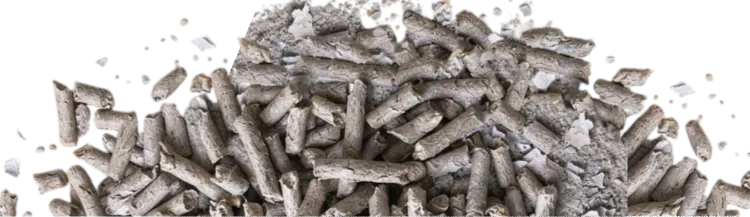
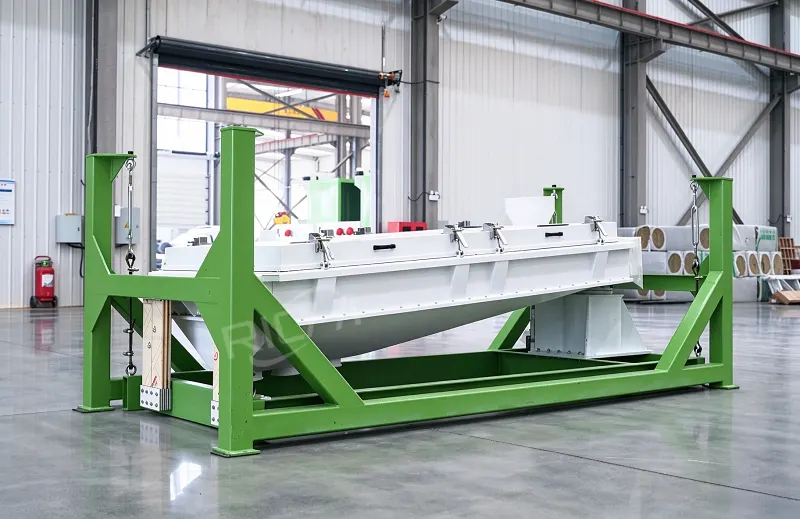
Fine powder and broken pellets may be generated during pelletizing. A rotary grading screen can separate them from qualified pellets and send them back to the production line for re-pelletizing. This step effectively ensures the quality of the final product.
Packaging Paper Pellet
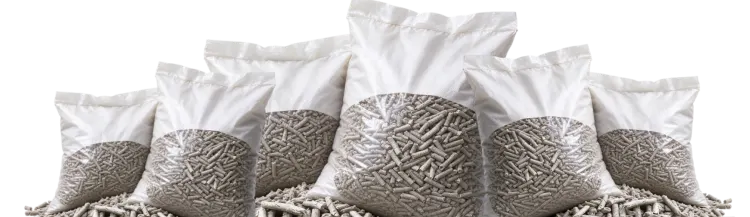
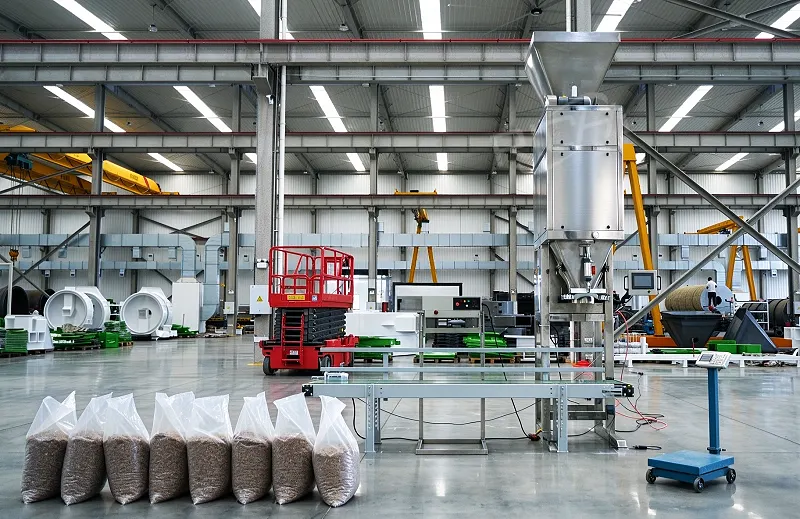
Finished pellets finally enter an automatic quantitative packaging scale for bagging. We offer small bag packaging and ton bag packaging, with sealing options including heat sealing, thread sewing, and mixed sealing.
Paper Pellet Mill FAQs
We have compiled questions that customers often ask during consultation and procurement, hoping to help you further understand the equipment and provide reference for project planning.
What is the paper pellet machine price?
→
Machine prices range from USD 15,000 to USD 80,000, including the anti-arching feeder, force feeder, pelletizer, and control cabinet. Material condition greatly affects equipment configuration. We recommend contacting RICHI engineers first to discuss your project in detail, and we will provide an accurate quote with specific configuration.
What types of waste paper can this machine process? Can it process other raw materials?
→
It can process a variety of paper-based raw materials, specifically including:
Recycled paper: waste newspapers, office waste paper, old books and periodicals, waste cardboard boxes, corrugated cardboard, packaging paper, etc.
Industrial paper: kraft paper, paper bag paper, cardboard scraps, paper trimming waste, uncoated industrial packaging paper, etc.
Pulp and papermaking waste: waste pulp, pulp fiber, papermaking scraps, paper fiber residue, etc.
Other paper-based materials: uncoated paper cup base paper, paper packaging scraps, clean paper tubes and paper cores, etc.
Besides paper-based raw materials, the machine can also process wood, shell, grass, and other raw materials. For details, you can visit the biomass pellet machine page.
What is the difference between a paper pellet mill and a wood pellet mill?
→
Although both paper pellet mills and wood pellet mills use ring die pelletizing, they target different raw material characteristics. The core differences lie in feeding and forming principles.
Waste paper fibers are short and bulky and easily bridge and block, so paper pellets machines emphasize anti-bridging and forced feeding design. Wood chips rely on lignin softening under heat to bond and form naturally. Paper fibers have low lignin content and weak cohesion, and some raw materials also need water adjustment or binder addition. Therefore, the two require different ring die compression ratios and feeding configurations.
Is machine maintenance troublesome? How long can it last?
→
Maintenance is convenient. You only need to regularly check the ring die, rollers, bearings, transmission system, and feeding device, and perform lubrication, cleaning, and wear part inspection according to equipment maintenance requirements. With proper maintenance, the machine can last 10–15 years.
Do you provide installation and commissioning services?
→
Of course. We provide installation and commissioning services as well as employee training. According to the agreement, engineers will go to the site to guide installation and commissioning. We also provide operation and installation videos for reference.
How long is the after-sales period for the paper pellet mill?
→
The whole machine has a 12-month warranty. After the warranty period, repairs only charge for parts, and lifetime technical support is provided. You can contact RICHI after-sales staff at any time if you have problems.

