
Poultry Feed Pellet Machine Price
The poultry feed pellet machine price typically starts at $7,500, with capacities ranging from 1 to 40 tons per hour. Prices vary depending on capacity, model, and production requirements, resulting in significant differences between a single machine and the investment for a complete production line.
When purchasing, it’s crucial not to focus solely on price ranges. Even for machines with the same capacity, variations in components like the motor, ring die, pressure rollers, bearings, feeding system, and transmission system can lead to substantial price differences. Therefore, when selecting a poultry feed pellet mill, it’s essential to consider your specific production capacity and needs.


Poultry Feed Pellet Machine Price
If you are purchasing a poultry feed pellet machine, price is usually one of the first questions you need to confirm. But there is no single fixed price for a poultry feed machine. Capacity, model, configuration, and whether a complete production line is needed all affect the final quote. These factors also influence the overall poultry feed pellet machine cost.
Currently, the reference prices for poultry feed pellet machines are roughly as follows:
√
1–5 T/H
Small poultry feed machine: about USD 7,500–30,000
√
5–15 T/H
Medium commercial poultry feed machine: about USD 30,000–40,000
√
15–40 T/H
Large industrial poultry feed machine: about USD 40,000–80,000
These poultry pellet machine price ranges are for reference only. For export projects, shipping and other related costs also need to be confirmed based on the project’s country and trade terms. The poultry feed pellet mill price may also vary depending on the selected configuration and project requirements.
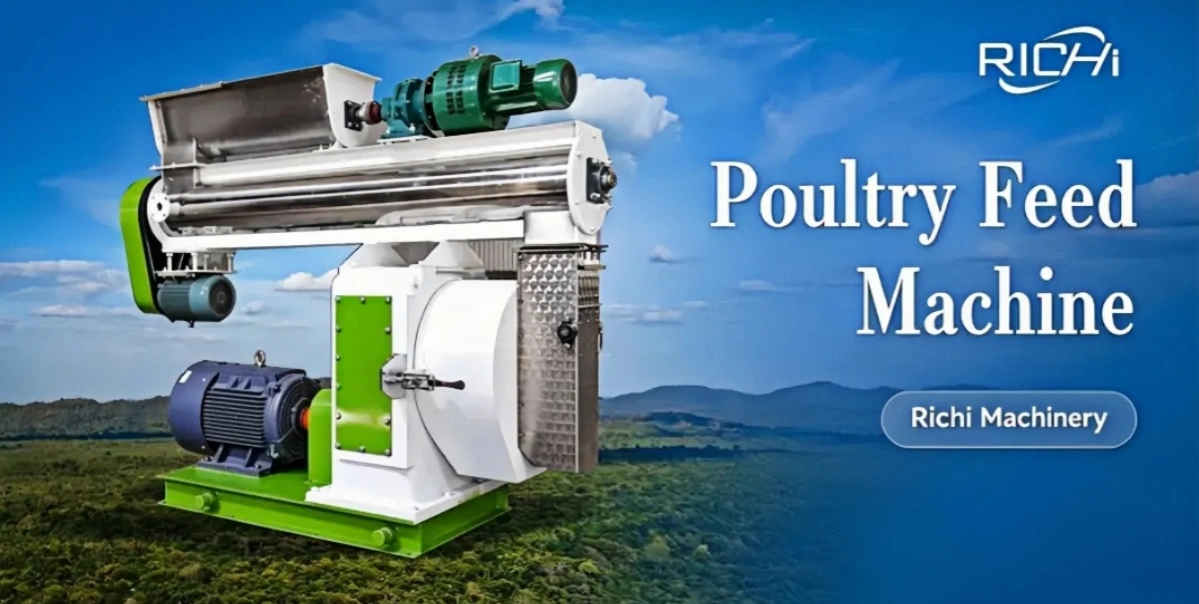

Poultry Feed Pellet Machine Price for Different Models
The poultry feed pellet machine price depends on the specific model and production capacity. Even for the same type of poultry feed pellet machine, equipment used by a small farm and equipment used by a large commercial feed mill will differ clearly in structural dimensions, power configuration, and production capacity.
The RICHI SZLH series poultry feed pellet machine covers a capacity range of 1–40 t/h, and can be selected according to poultry farms, feed processing plants, and commercial feed projects of different scales.
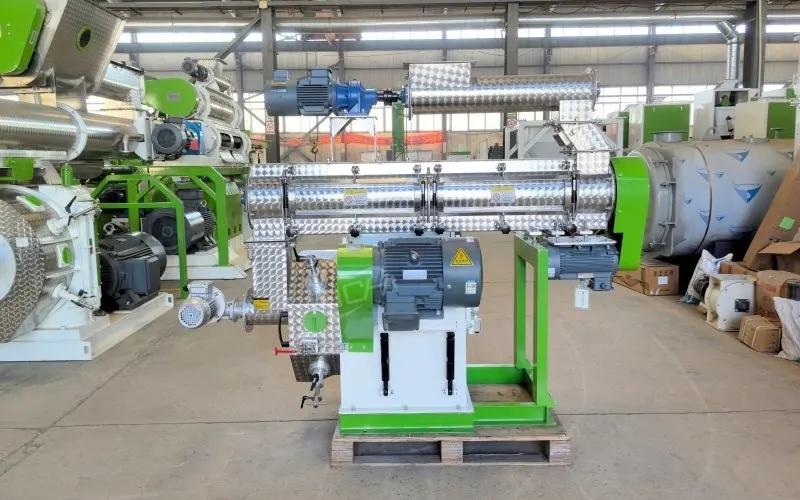
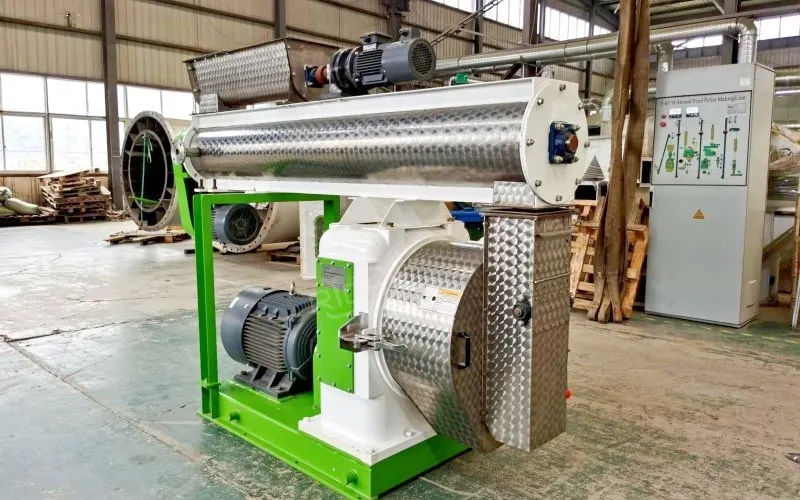
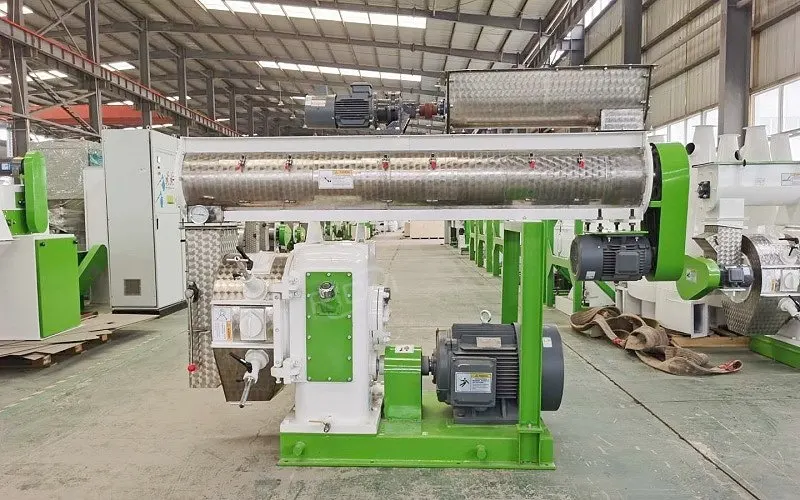
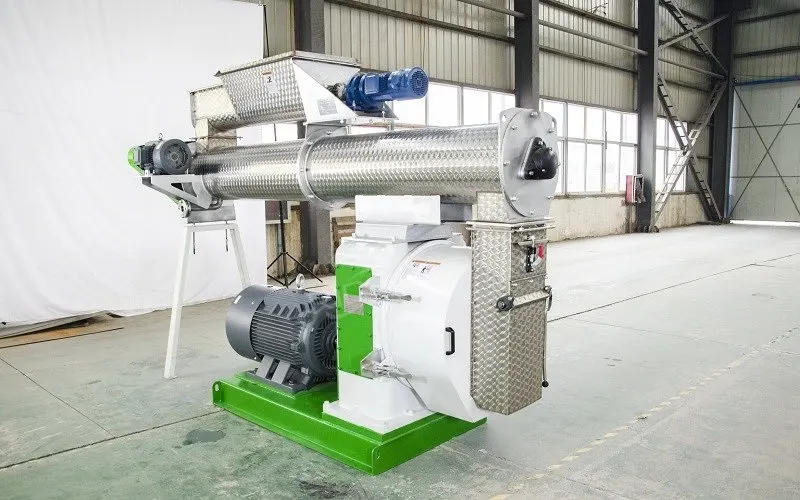
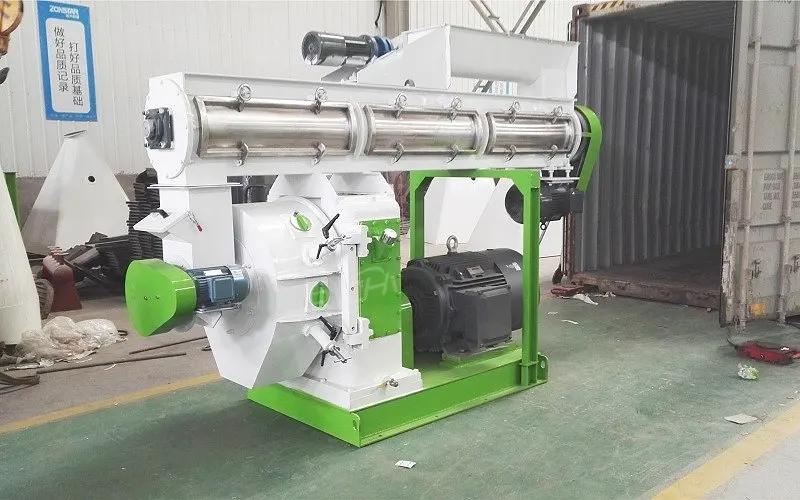
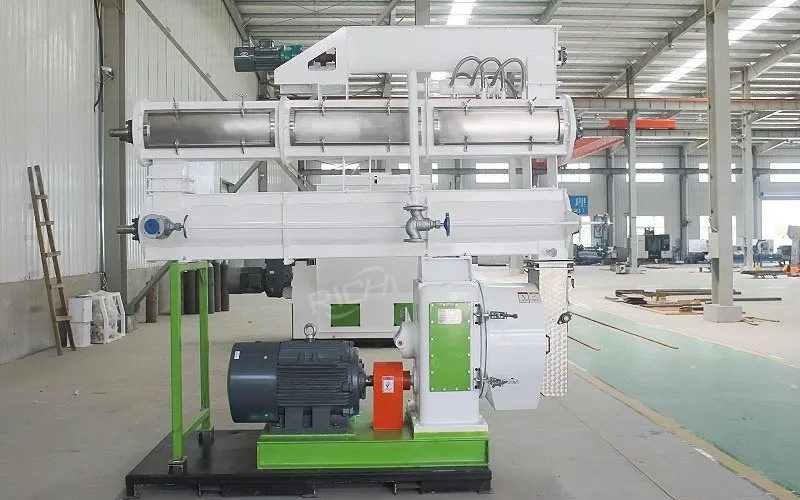
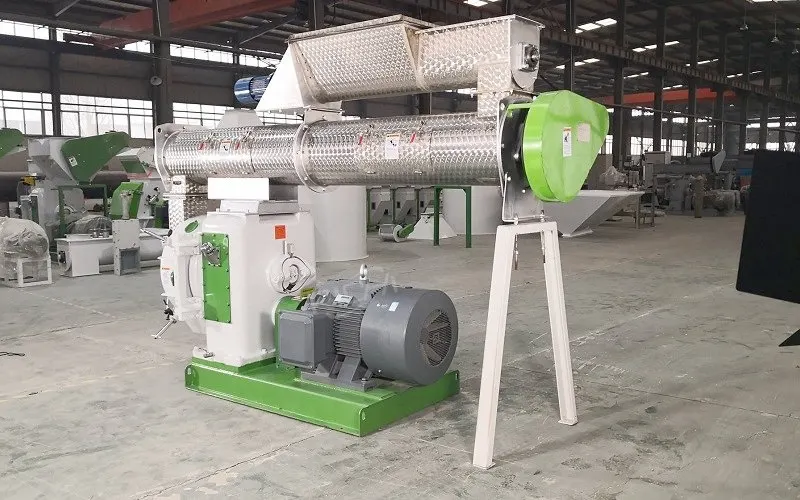
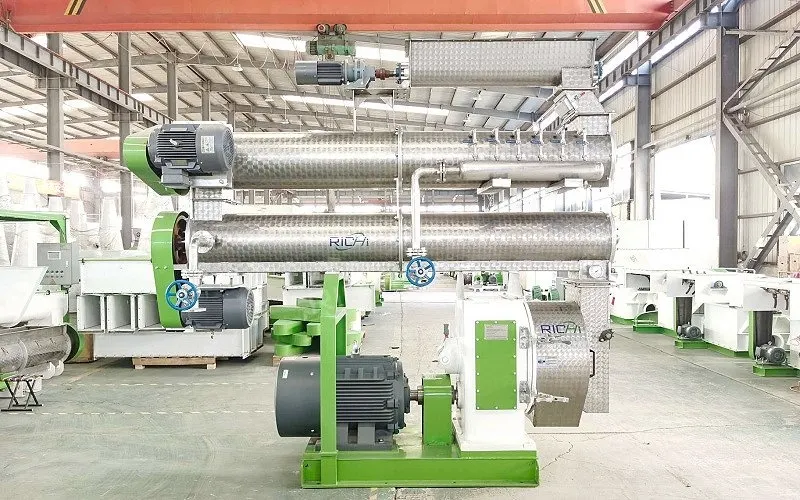
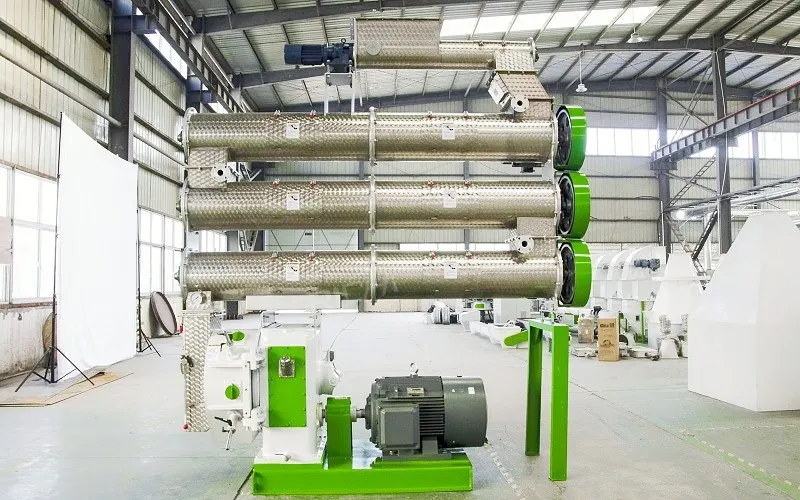
If you have already determined your planned capacity, you can first make a preliminary judgment based on the model and parameter table, and then confirm the specific configuration according to your actual raw materials, pellet specifications, and production requirements.

Poultry Feed Machine
| Model | Main Motor Power (kW) | Conditioner Power (kW) | Ring Die Inner Diameter (mm) | Production Output (t/h) | Finished Pellets Diameter (mm) |
|---|---|---|---|---|---|
| SZLH250 | 22 | 1.5 | 250 | 1-1.5 | 2-12 |
| SZLH320 | 37 | 4 | 320 | 3-4 | 2-12 |
| SZLH350 | 55 | 4 | 350 | 5-6 | 2-12 |
| SZLH420 | 110 | 7.5 | 420 | 10-12 | 2-12 |
| SZLH508 | 160 | 7.5 | 508 | 15-16 | 2-12 |
| SZLH558 | 185 | 11 | 558 | 20-22 | 2-12 |
| SZLH678 | 250 | 11 | 673 | 30-33 | 2-12 |
| SZLH768 | 315 | 11 | 762 | 38-40 | 2-12 |
| SZLH858 | 355 | 15 | 858 | 38-45 | 2-12 |
Note: The specific parameters of poultry feed machines may vary depending on the model and configuration. Welcome to contact RICHI engineers for detailed information.
It should be noted that the nominal capacity of the equipment does not mean that any raw material can reach exactly the same output. Corn, soybean meal, wheat, bran, and mixtures with different formulas may have different pelleting results and actual output when moisture content, grinding fineness, and formula ratio change. Therefore, when choosing a model, you cannot only look at price and maximum capacity. You also need to determine it based on your own production conditions.
Factors Affecting Poultry Feed Pellet Machine Price
The reason poultry feed machine prices vary so much is first because different projects have different requirements for equipment.
For poultry feed projects that require long periods of continuous production, key components such as the ring die, pressure rollers, bearings, motor, and transmission system all affect the manufacturing cost of the equipment. They are also directly related to the stability and maintenance needs of the equipment during long-term production.
Equipment Capacity
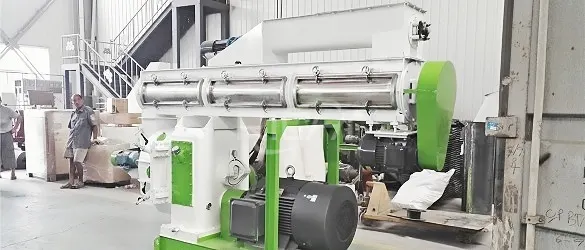
Equipment capacity is one of the most direct factors affecting poultry feed pellet machine price.
For example, small equipment of 1–5 t/h is usually suitable for small and medium-sized poultry farms or small feed processing projects. Equipment that needs to reach 20 t/h, 30 t/h, or even higher capacity places higher demands on the main unit power, transmission system, feeding system, and other supporting components.
Therefore, you cannot simply assume that “the higher the capacity, the more cost-effective it is.” What matters more is choosing equipment that matches your actual production needs. If you only need to produce a few tons of feed per day but purchase a large machine far above your actual needs, both the equipment investment and subsequent operating costs may increase.

Ring Die and Pressure Roller Configuration
The ring die and pressure rollers are the core working parts of a poultry feed pellet machine for pelleting.
Different poultry feed formulas and different pellet diameters have different requirements for the ring die aperture and pressing conditions. If you need to produce chicken feed, duck feed, goose feed, or other poultry feed with different pellet diameters, you need to choose the appropriate ring die specifications according to your actual production requirements.
RICHI can use high-wear-resistant alloy steel ring dies and pressure rollers, and through corresponding heat treatment processes, improve wear resistance to adapt to continuous pelleting production of poultry feed.
Motor and Transmission System
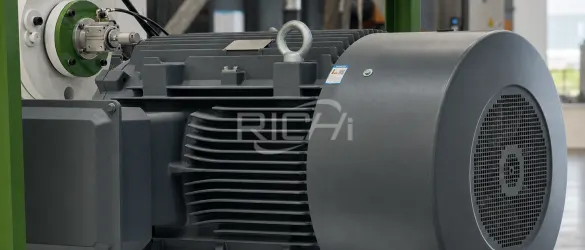
The motor and transmission system determine the power output during equipment operation, and are also an important source of price differences in poultry feed pellet machines.
RICHI poultry feed pellet machines can be equipped with Siemens motors and use a gear transmission system. For projects that require long periods of continuous production, this type of configuration can provide stable power transmission for the equipment.
Feeding and Conditioning System
The feeding system and conditioner are also parts of the equipment configuration that cannot be ignored.
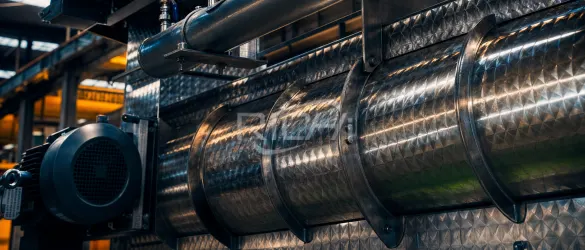
RICHI poultry feed pellet machines can use a variable-frequency feeding system to adjust the feeding speed according to production requirements, reducing the risk of blockage or overload caused by feeding too fast. At the same time, the lengthened and thickened stainless steel conditioner allows the raw materials to be more fully conditioned before entering the pelleting chamber.
What Auxiliary Equipment Does a Poultry Feed Plant Need?
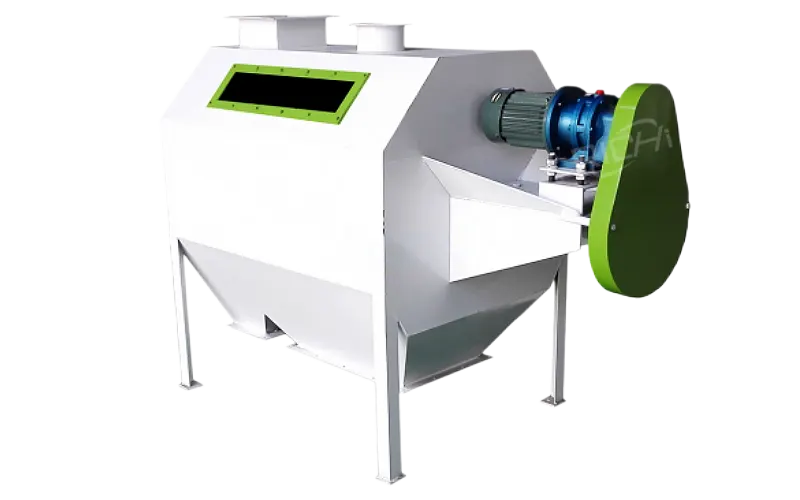
Powder Cleaning Sieve
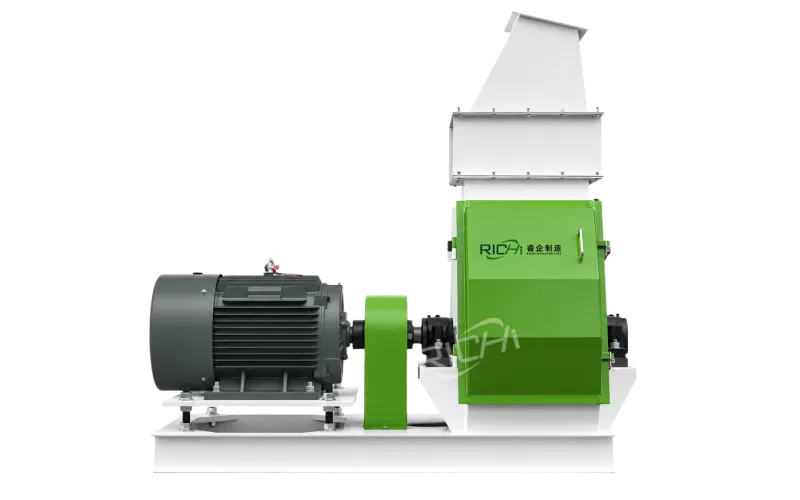
Hammer Mill
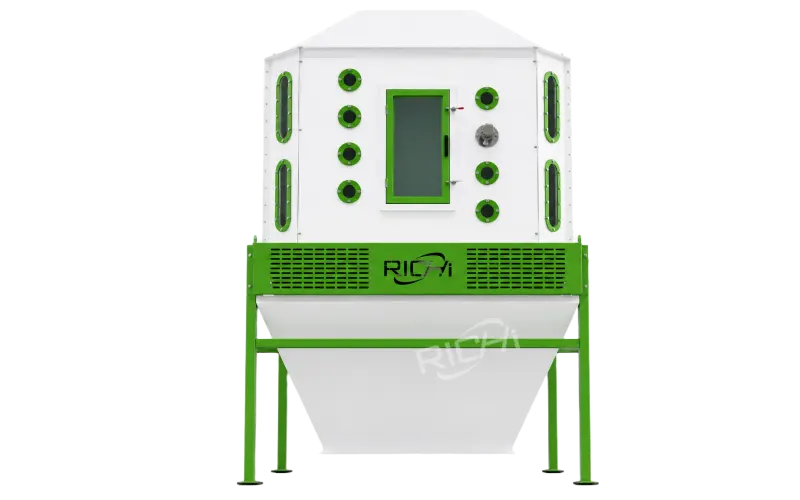
Counterflow Cooler
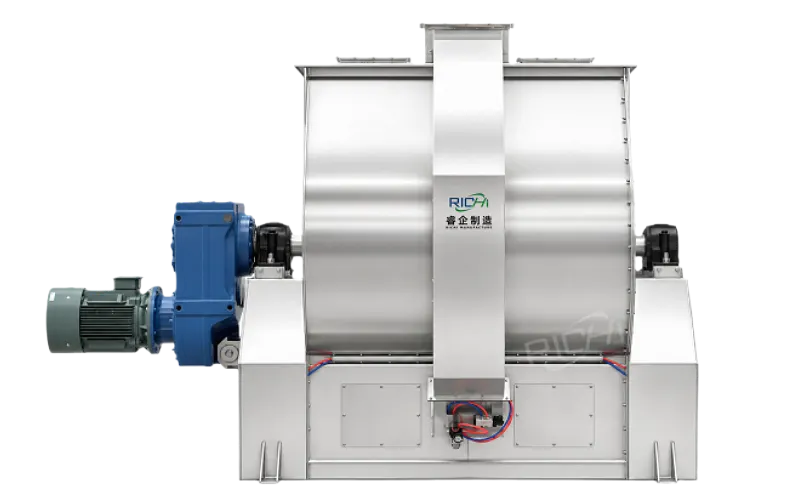
Feed Mixer
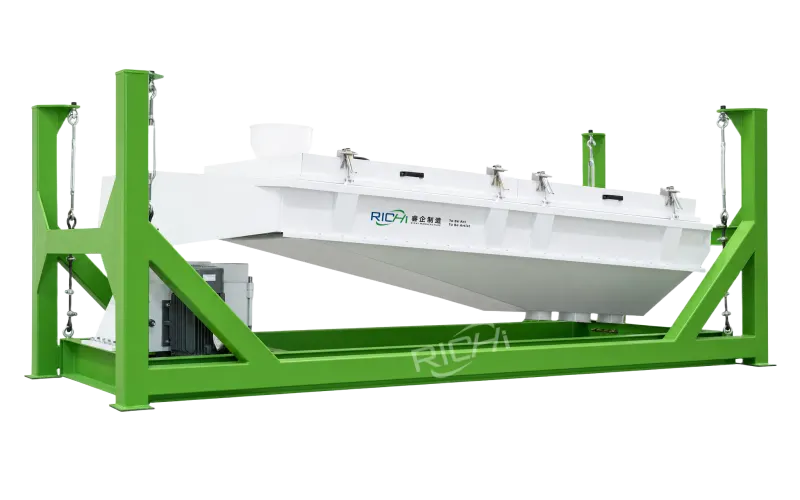
Gyratory Screener
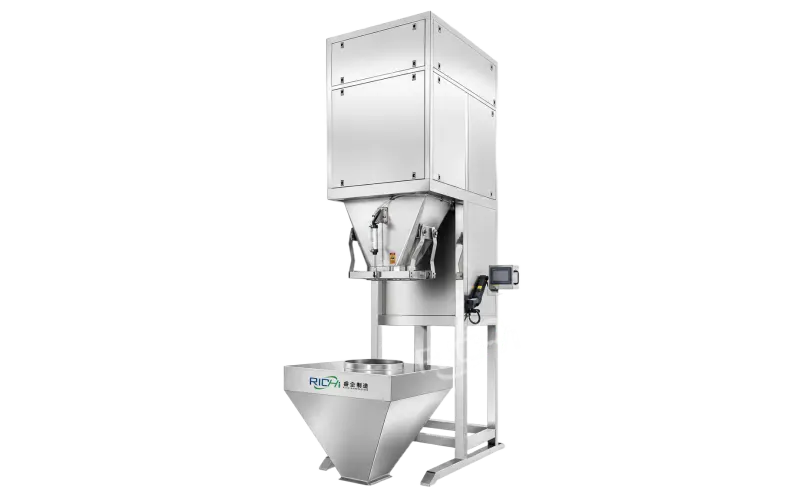
Packing Scale
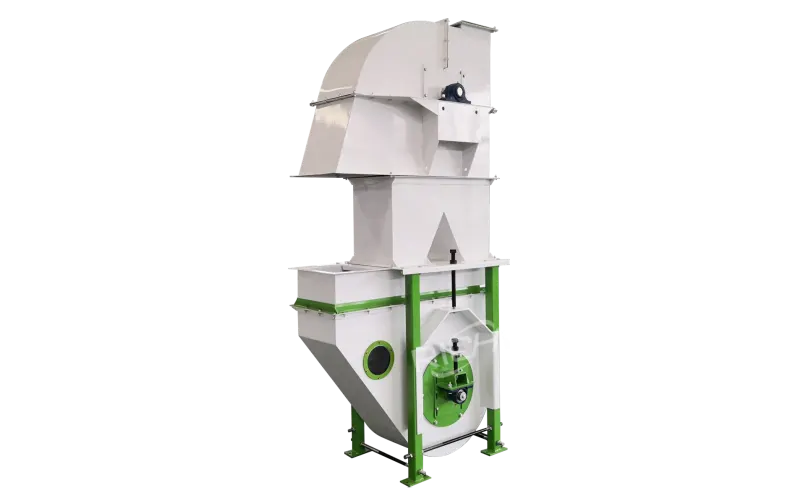
Conveying Equipment
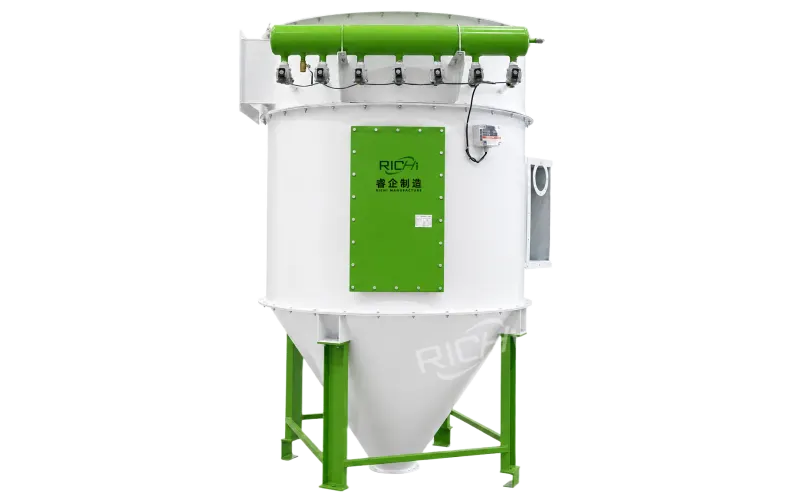
Pulse Dust Collector
Get a Poultry Feed Pellet Machine Price for Your Project
Welcome to contact us to get the price and solution for poultry feed machines. You can provide the following information in advance:
- Planned production capacity, such as 2 t/h, 10 t/h, or 30 t/h
- What type of poultry feed you mainly produce, such as chicken feed, duck feed, goose feed, or turkey feed
- What raw materials you mainly use
- The pellet diameter you plan to produce
- Whether you already have front-end equipment such as crushing and mixing
- Whether you only need a poultry feed pellet machine or a complete production line
- The country where the project is located and the factory situation
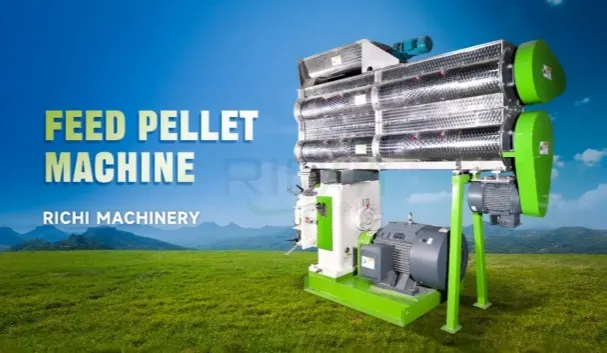
Based on this information, Richi Machinery can provide a quote for a single machine, a complete production line, or a customized solution, helping you compare poultry feed pellet machine price options according to your actual project needs.
If you have not yet determined a specific model, you do not need to prepare all the parameters first. Just tell us how many tons of feed you want to produce, what raw materials you will process, and whether you are planning a single machine or a complete line project. From these basic details, we can start to determine the equipment direction and budget.

